Ji Ru Dou
Browse this agent's personal updates and marketing posts from their Luxmore group.
News homepage poster
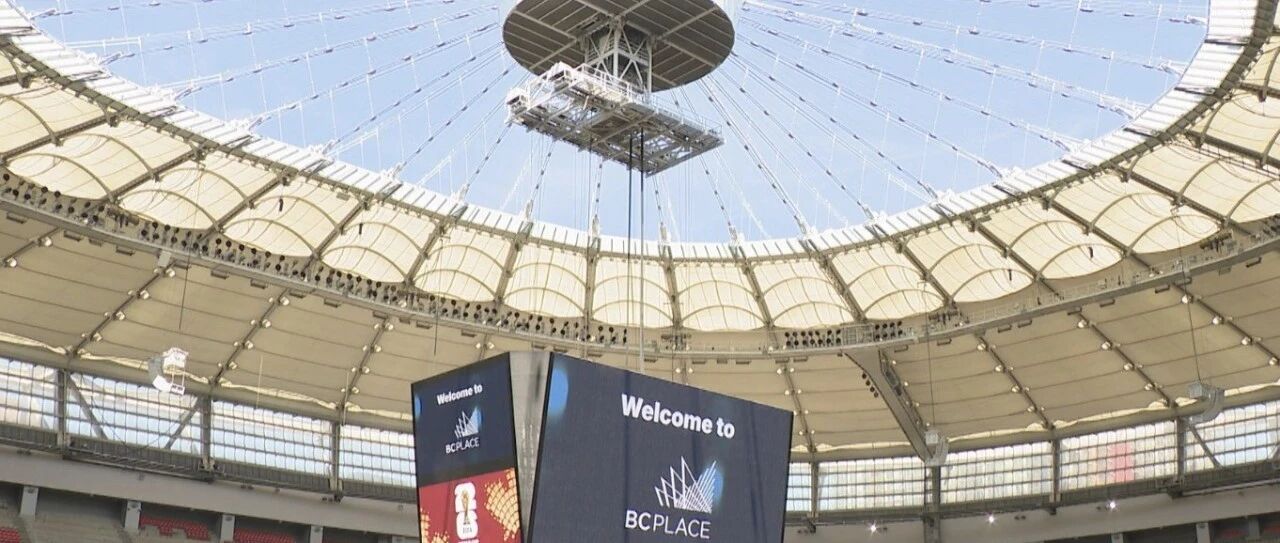
Canada's dominant 6-0 victory over Qatar at Vancouver's BC Place on June 19, 2026, places the downtown stadium district under international scrutiny, raising practical questions about short-term rental demand, neighborhood infrastructure limits, and whether the World Cup creates genuine real estate value or temporary noise for local property owners.

On June 19, 2026, Canada defeated Qatar 6-0 at Vancouver Stadium in a FIFA World Cup Group B match, putting the city on global television. For local property owners and investors, the match signals peak short-term rental demand and increased international attention on Vancouver real estate, though the lasting market impact depends on infrastructure legacy rather than match results.

TransLink recorded 1.03 million boardings during Vancouver's first FIFA World Cup match on June 13, marking the highest stadium-event transit usage since the 2010 Olympics and testing downtown infrastructure resilience for residents and investors.

Greater Vancouver's September 2026 MLS data reveals a stark market split: apartment sales plunged 18.6% year-over-year while detached and attached homes saw slight gains, with the composite benchmark price down 5.5% annually to $1,075,900 as investor demand stays on the sidelines.

Vancouver's downtown office vacancy has edged down to 9.5% as tenants expand and demand concentrates in top-tier Class A and AAA space, while major projects like 1166 West Pender shift to hotel and residential uses. For local real estate readers, this signals a turning point in employer confidence that could reshape downtown neighbourhood demand—but the recovery is uneven, and the conversion of older office stock is changing who lives and works near core assets.
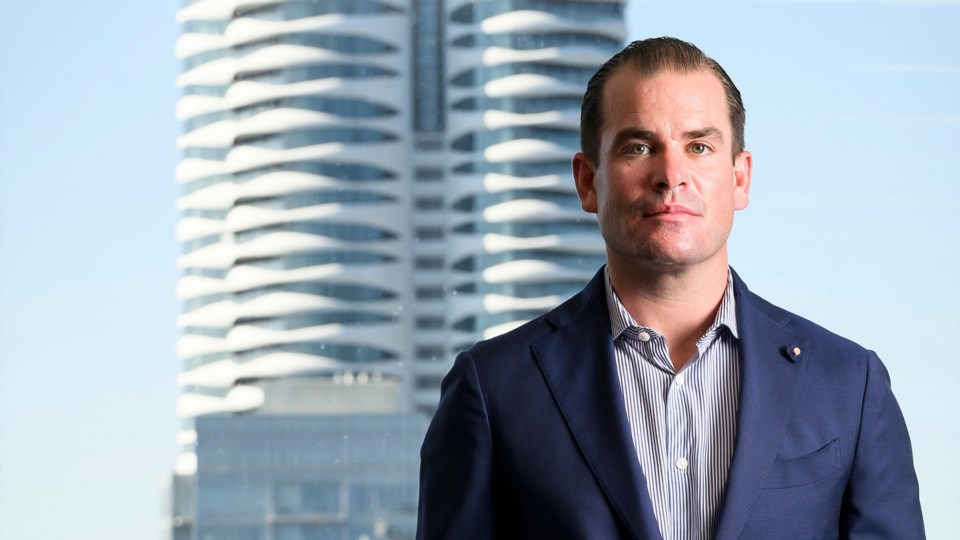
Technical Safety B.C. reported 122 train-human contact incidents on Vancouver's Expo and Millennium SkyTrain lines between 2016 and 2025, with the incident rate doubling from 2023 to 2025 compared to pre-pandemic levels. For real estate buyers, sellers, and investors near these lines, the report revives the debate over platform screen doors and signals potential retrofit disruptions—or future safety premiums—as TransLink revisits technology it previously rejected.
With three weeks until Vancouver's municipal election, major mayoral candidates have released competing housing and fiscal platforms that could reshape development timelines, carrying costs, and land-use policy. From ABC's property tax freeze and parking fee elimination to the Vancouver Liberals' plan to replace the city building code and merge 12 approval departments, these promises present distinct risk and opportunity profiles for buyers, sellers, and investors.
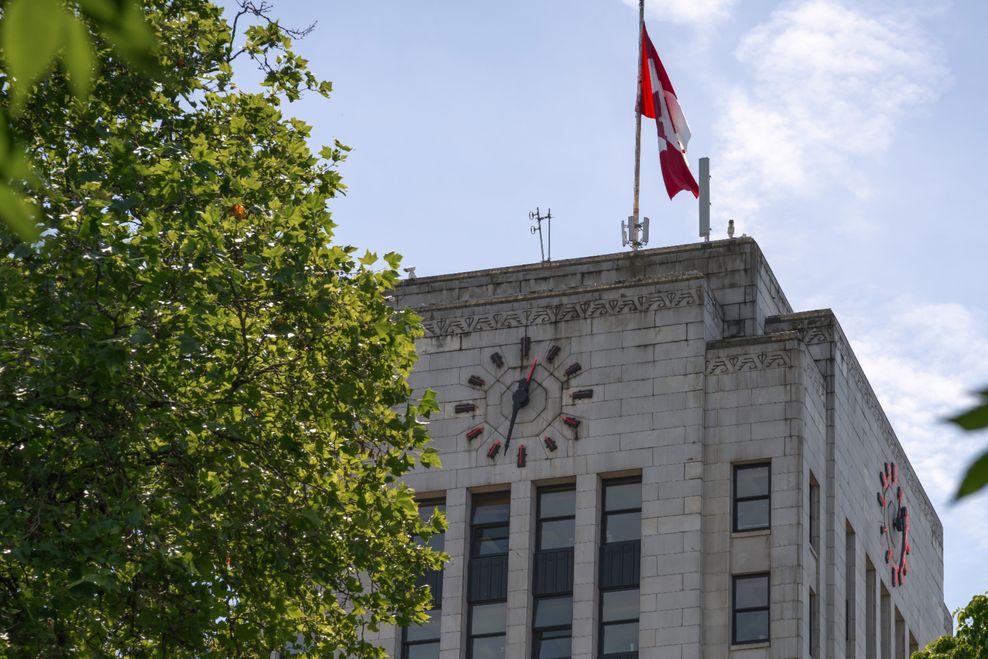
Maple Ridge has launched a one-year pilot program that expedites development permits for eligible triplex and fourplex projects by an estimated six to eight months, targeting select west Maple Ridge neighbourhoods zoned Urban Residential under the city's Official Community Plan.

August MLS® sales in Metro Vancouver fell 4.6% year-over-year to 1,869 transactions, 20.7% below the 10-year average, as the composite benchmark price dropped 5.6% to $1.08 million. GVR's chief economist cites immigration slowdown, reduced investor demand, and mortgage rates that remain too high to spark buying activity.

Liv.rent's September 2026 Metro Vancouver report shows Vancouver was the only regional city to post a year-over-year rent increase for unfurnished one-bedrooms, rising 3.32% to $2,328, while Richmond plunged 12.19% and the regional average fell 3.95%. For local buyers and investors, the divergence signals a two-speed market where Vancouver proper is holding tenant demand pressure even as surrounding cities soften.
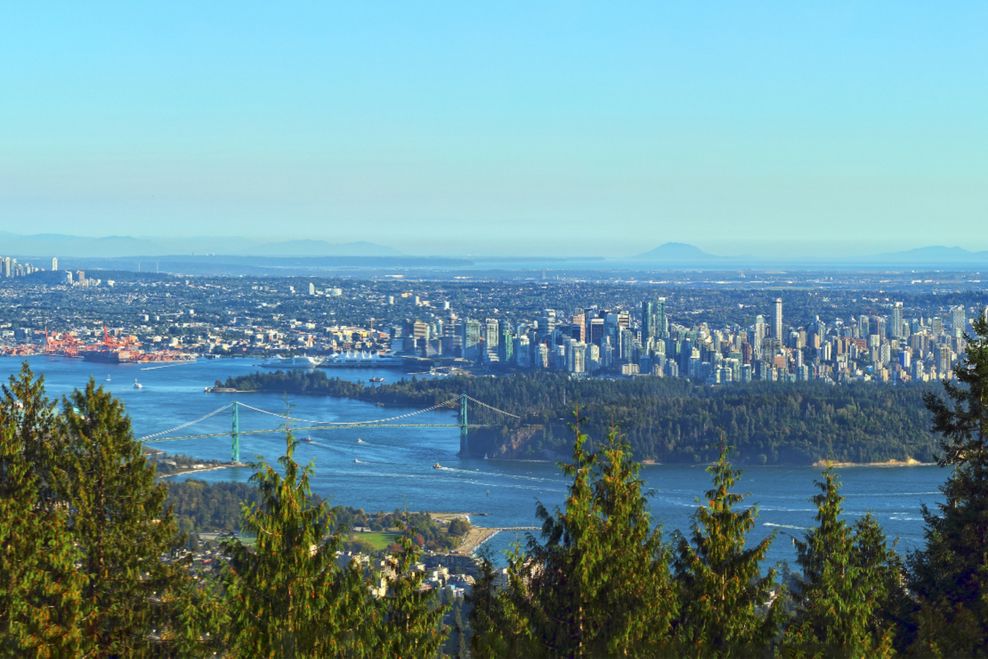
The B.C. government has officially named the Surrey-Langley SkyTrain extension after former premier Dave Barrett, with the 16-kilometre line set to open in 2029 and cut travel time from Langley City Centre to King George Station to just over 20 minutes. For real estate buyers and investors, this naming milestone signals that the project remains on track, but the four-year construction window still carries risks around completion timing, station-area development phasing, and whether current asking prices already bake in future transit premiums.
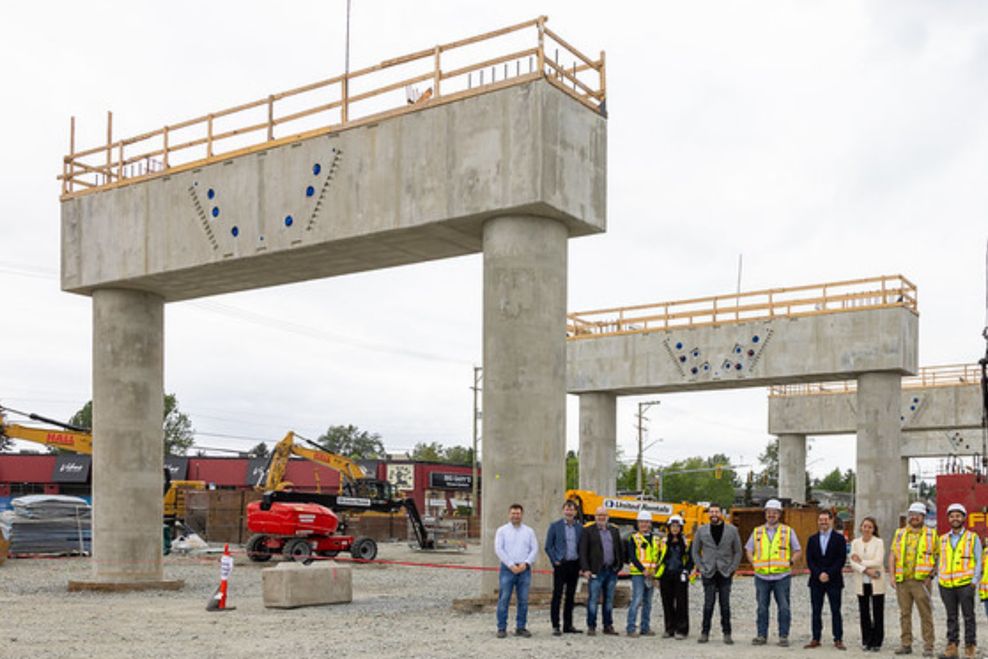
As Toronto rental listings jumped six per cent year-over-year and one staging firm reports rental projects now make up over half of its business, Canadian landlords are discovering that empty units bleed cash faster than furnished ones. For Greater Vancouver investors and property owners, the shift signals that tenant expectations are rising—and vacancy aesthetics now directly affect carrying costs.

BC landlords planning a 2027 rent increase face a tight compliance window: the province has capped annual residential rent hikes at 2.2% effective January 1, 2027, but the real risk is procedural—missing the RTB-7 filing window or using an unapproved delivery method can push your effective increase date back by months. For Greater Vancouver property owners already squeezed by carrying costs, understanding the 12-month interval rule, the three-full-month notice period, and deemed service timelines is now a financial necessity, not just paperwork.
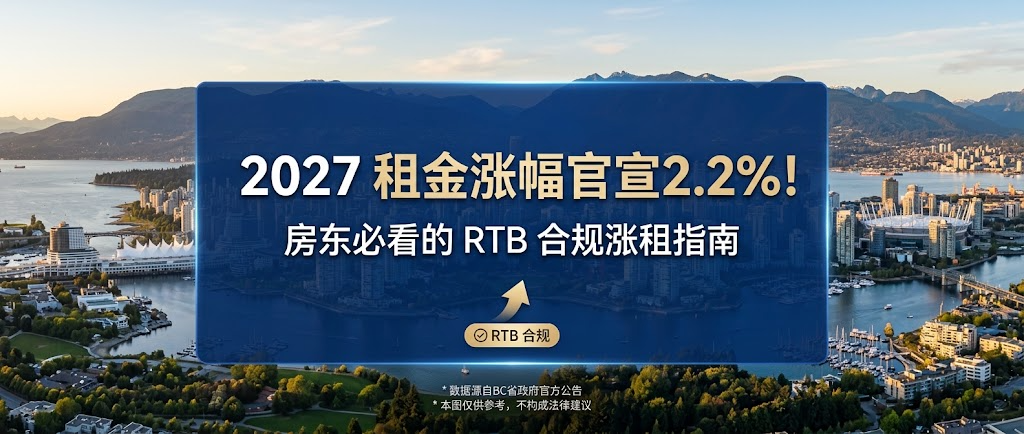
BC has set the 2027 maximum rent increase at 2.2%, capping it at or below inflation for the seventh straight year and pushing Greater Vancouver investors to rethink cash-flow assumptions as average asking rents fall in suburbs like Richmond and Coquitlam. For local landlords and prospective buyers, the announcement means rental income growth will remain tightly constrained, making conservative underwriting and sharp pencil work on operating costs essential before acquiring or converting rental property.
CMHC’s Fall 2026 Housing Supply Report estimates Canada needs 417,000 to 469,000 annual housing starts through 2036 to return to pre-pandemic affordability, yet current projections sit near 231,000 with construction increasingly shifting toward rentals and away from ownership housing. For Greater Vancouver buyers and investors, this signals a long-term structural shortage in the for-sale segment that could tighten conditions well before the next demand cycle accelerates.

CMHC's Fall 2026 Housing Supply Report warns that while purpose-built rental construction is surging across Canada, ownership housing starts have collapsed to historic lows in Toronto and weakened in Vancouver, creating a long-term supply gap that could leave buyers with fewer options when demand returns.

The Cascades by Chard Development has opened applications for Qualified Homes in South Vancouver, offering studio to three-bedroom rentals at $1,960-$3,614 monthly for households earning up to four times annual rent, with income verification every five years and full amenity access—creating a new reference point for buyers caught between unaffordable ownership and market-rate rents.
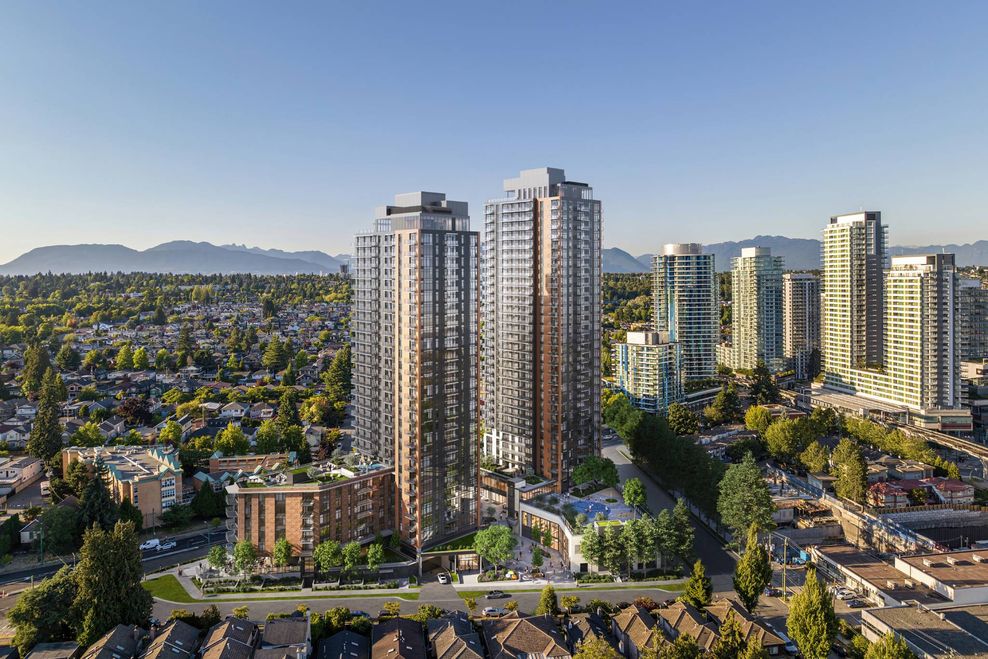
Greater Vancouver home sales fell 4.6% year-over-year in August 2026, with the composite benchmark price down 5.6% to $1,081,900. Despite softer prices and stable mortgage rates, immigration slowdown and reduced investor demand are keeping buyers on the sidelines.

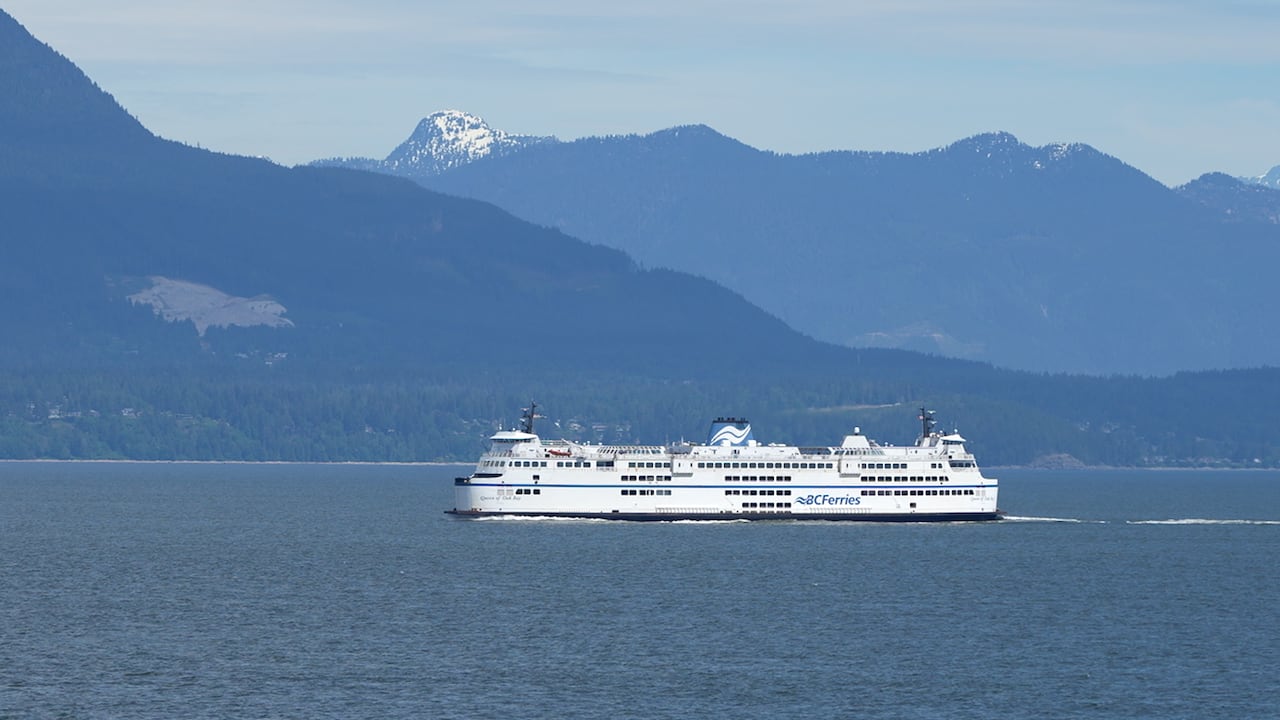
B.C. Ferries cancelled roughly half of Tuesday's sailings between Nanaimo's Departure Bay and Vancouver's Horseshoe Bay due to mechanical failure on the Queen of Cowichan, with Wednesday service also at risk—raising fresh questions for anyone counting on consistent ferry access for island property values and commuter livability.
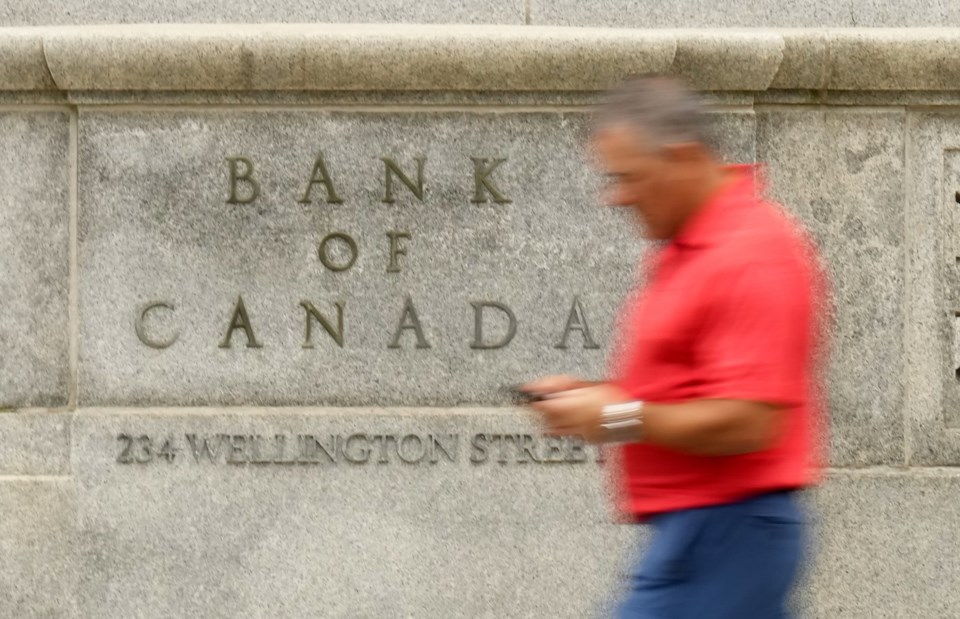
The Bank of Canada held its key interest rate at 2.25% for the seventh consecutive meeting on September 2, 2026, as Governor Tiff Macklem weighs surging inflation from the Iran war against threats from new U.S. tariffs. For Greater Vancouver buyers and sellers, the pause offers short-term mortgage stability but signals a complex road ahead with economists now debating whether the next move is a hike or a cut.
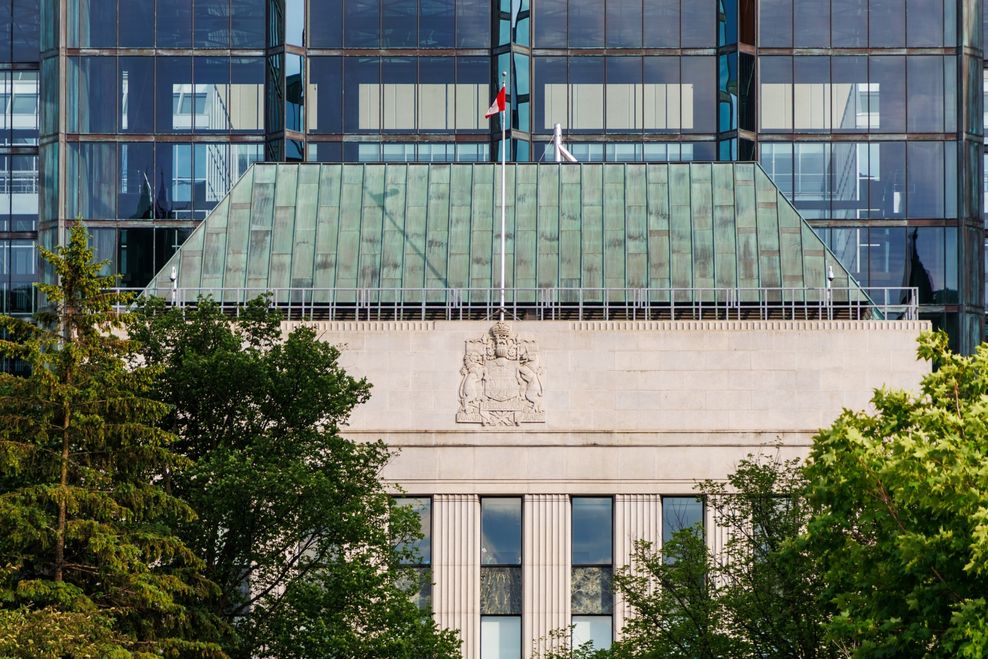
With the Bank of Canada widely expected to hold its key interest rate at 2.25% on September 2, Vancouver real estate watchers are being reminded that short-term trade war noise is unlikely to override months of resilient economic data—and that housing stabilization is already showing up in the numbers.
Greater Vancouver REALTORS® has made its largest-ever charitable contribution of $100,000 to the Canadian Red Cross for B.C. wildfire relief, signaling how professional associations view housing stability risks amid natural disasters. The donation, routed through the new Community Relief Fund, highlights the direct link between climate-related displacement and local real estate market resilience.

Canadian rents have fallen for 22 consecutive months, yet North Vancouver and Vancouver remain Canada's two most expensive rental markets at $3,039 and $2,686 respectively, creating a split reality for tenants and investors weighing cash flow against entry timing.
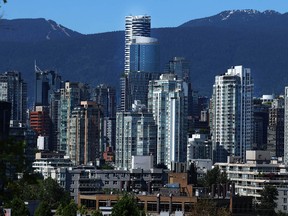
A new RentCafe.com report reveals Vancouver dropped to 13th place nationally in Q2 2026—the first time it has fallen outside the top 10—as search interest plummeted 60% while Victoria and Nanaimo surged into the top tier, signaling a fundamental shift in renter geography toward mid-sized Island markets.
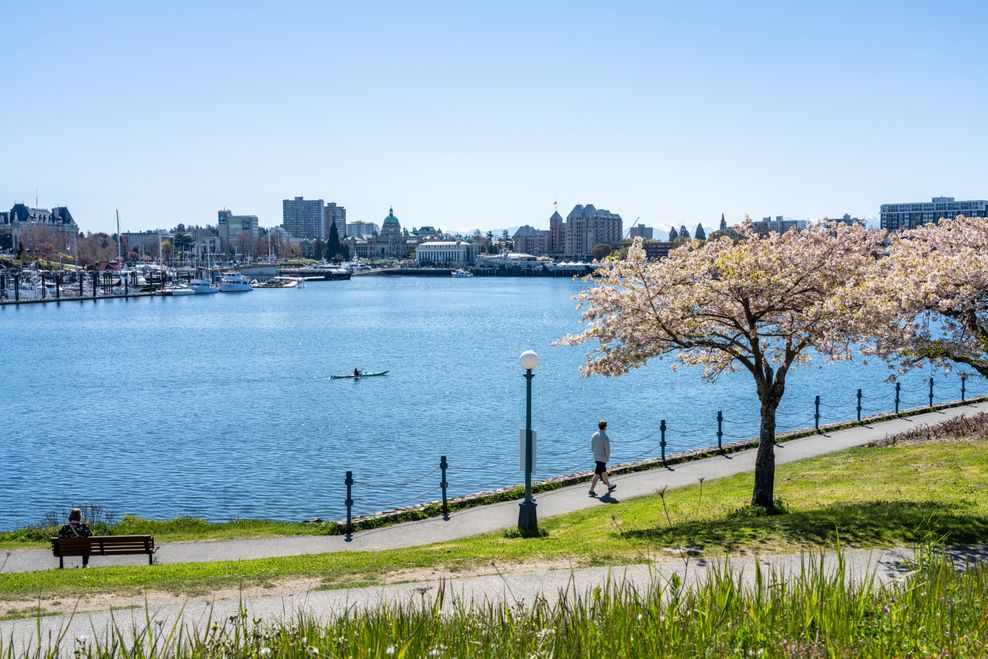
As Metro Vancouver industrial construction starts plummet 55% from 2022 peaks, scaffolding supplier Doka Canada signed a 10-year lease for a former Russel Metals site on Annacis Island, retrofitting the 167,000-square-foot building into covered outdoor storage. The deal signals that creative reuse of well-located legacy industrial assets is becoming a critical strategy for tenants unable to find or afford scarce modern large-format space.
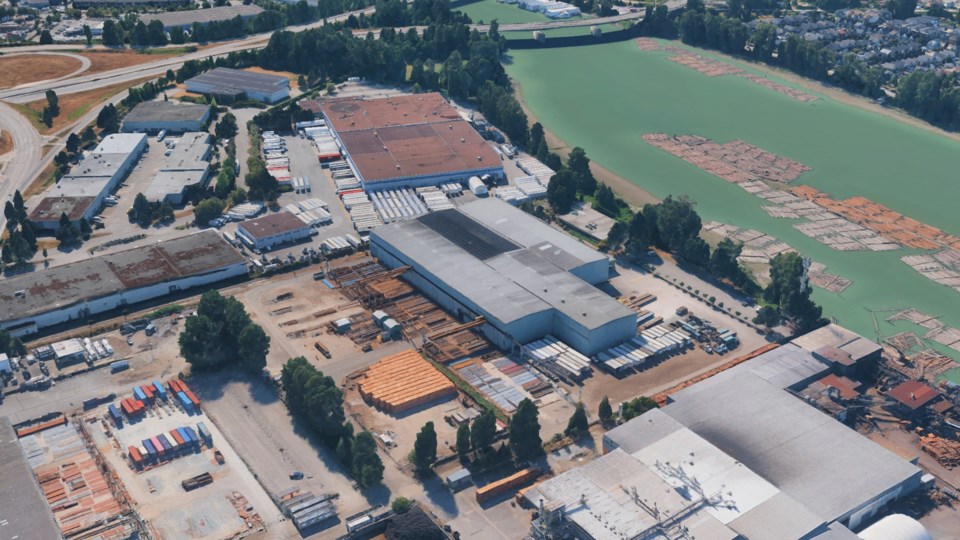
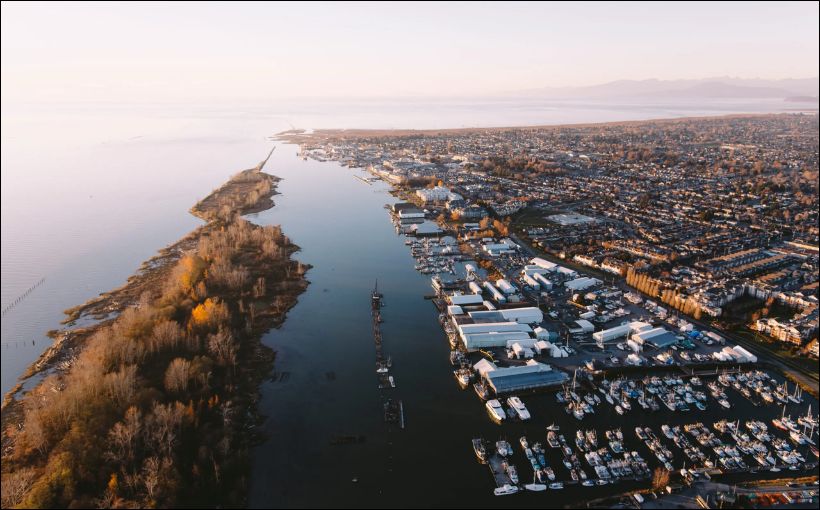
The 1.6-acre West Road Assembly sold at a sharp discount through court-ordered foreclosure while the larger 18.89-acre Duck Island parcel remains listed at $108.6 million, creating uncertainty for one of Richmond’s most prominent riverfront sites near Bridgeport Station.
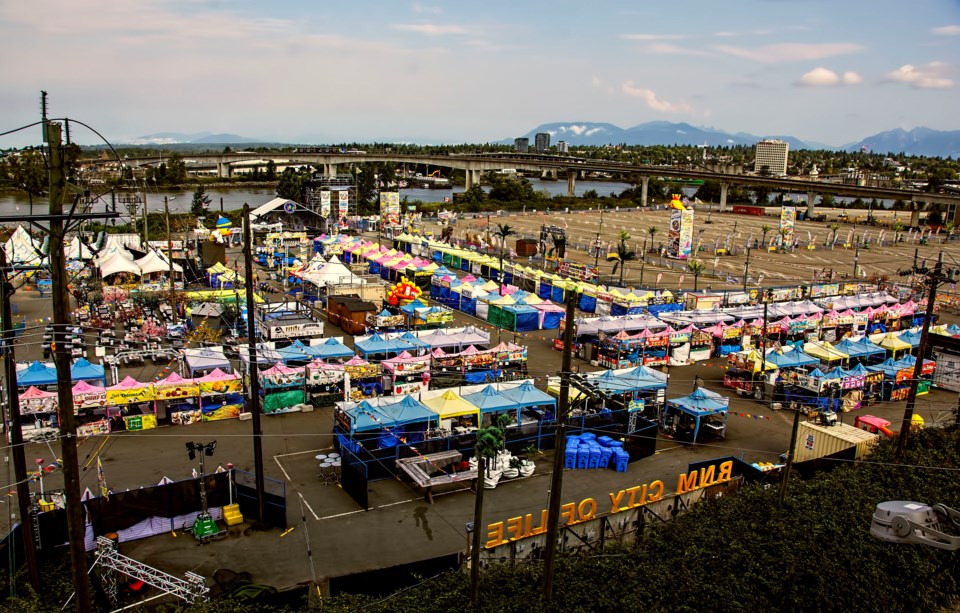
Metro Vancouver home sales fell 9.8% year-over-year in July 2026, reversing June's brief 10% gain, with apartment sales leading the decline at 18% down. The sales-to-active listings ratio sits at 13%, keeping prices in a narrow holding pattern with benchmark values down roughly 1% monthly and 6% annually.

A B.C. legislative committee has recommended repealing the planned October 1 PST expansion to professional services including commercial real estate, accounting, and engineering—just six weeks before the tax was set to take effect, creating last-minute uncertainty for development costs and transaction planning.
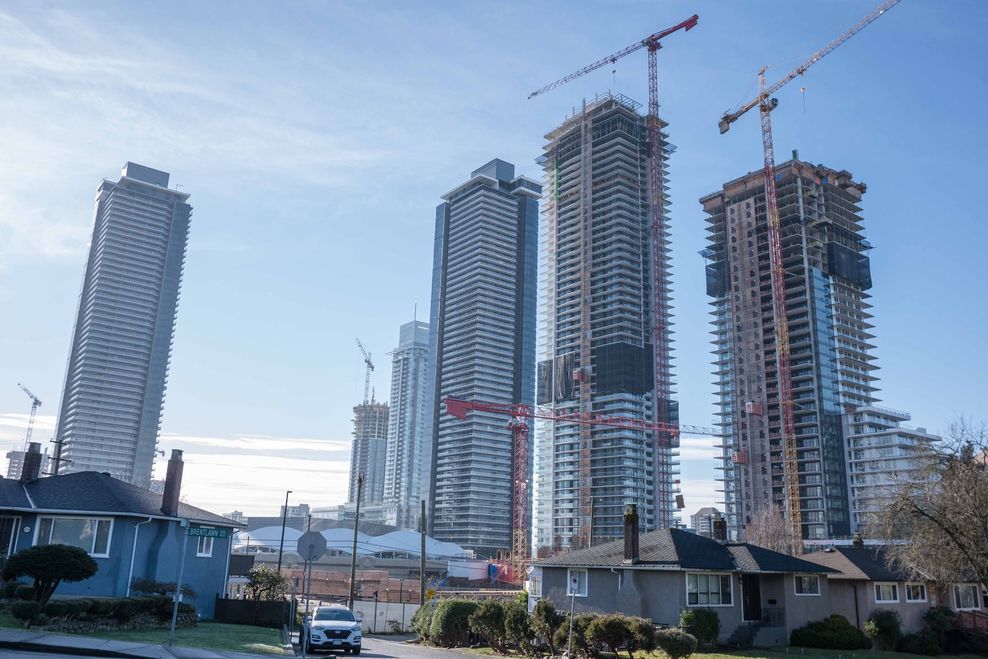
Greater Vancouver home sales fell 9.8% year-over-year in July, reversing June's gains and pushing activity 18.6% below the 10-year seasonal average, while benchmark prices slipped 0.9% month-over-month to $1,088,800.
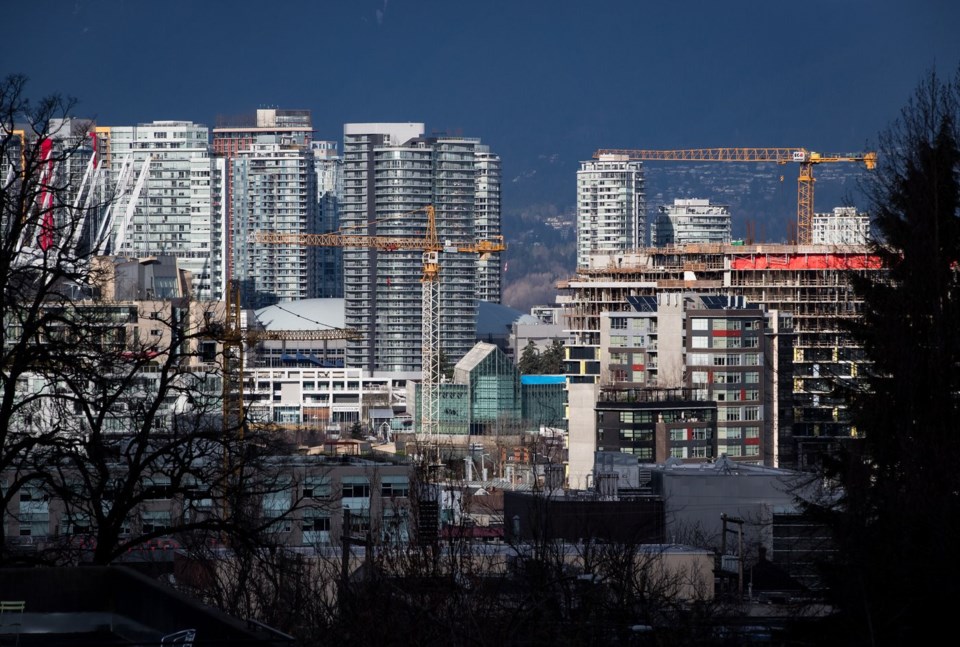
The supplied URL leads to the Google Gemini AI assistant product page, which contains no Greater Vancouver real estate market data, housing policy updates, development projects, or property transaction information required to generate the requested bilingual real estate article.
Greater Vancouver home sales fell 9.8% year-over-year in July 2026, reversing June's brief momentum gain, with apartment sales plunging 17.8% and prices slipping across all property types as inventory remains elevated above historical norms.

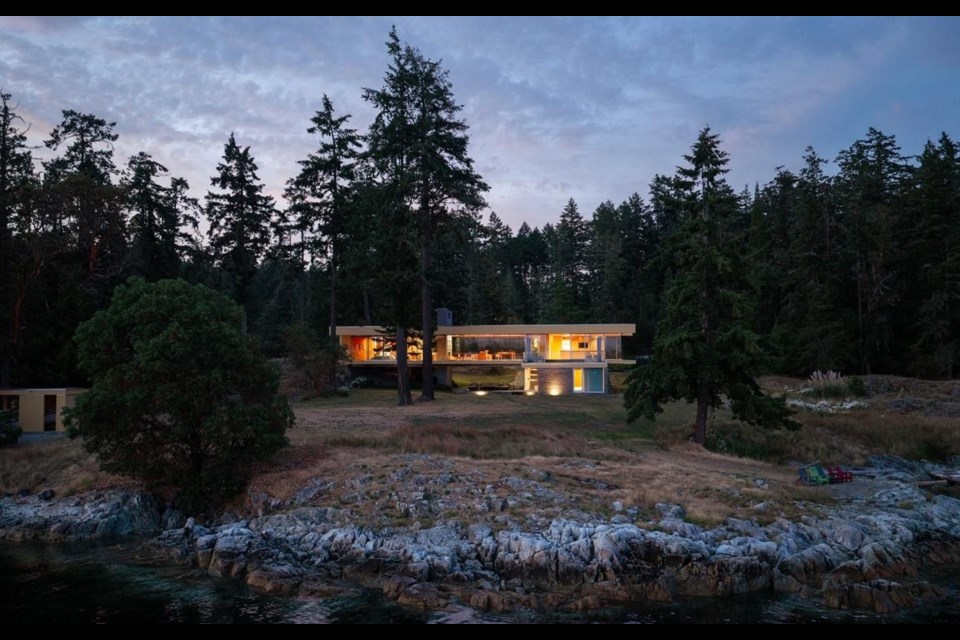
An Arthur Erickson-inspired 'modern log cabin' on Salt Spring Island's Beaver Point has hit the market for $8.5 million, featuring private marine infrastructure and architectural pedigree that distinguishes it from typical Gulf Island luxury listings. The sale highlights how ultra-luxury island properties now trade on irreplaceable built assets and design lineage rather than just land value.
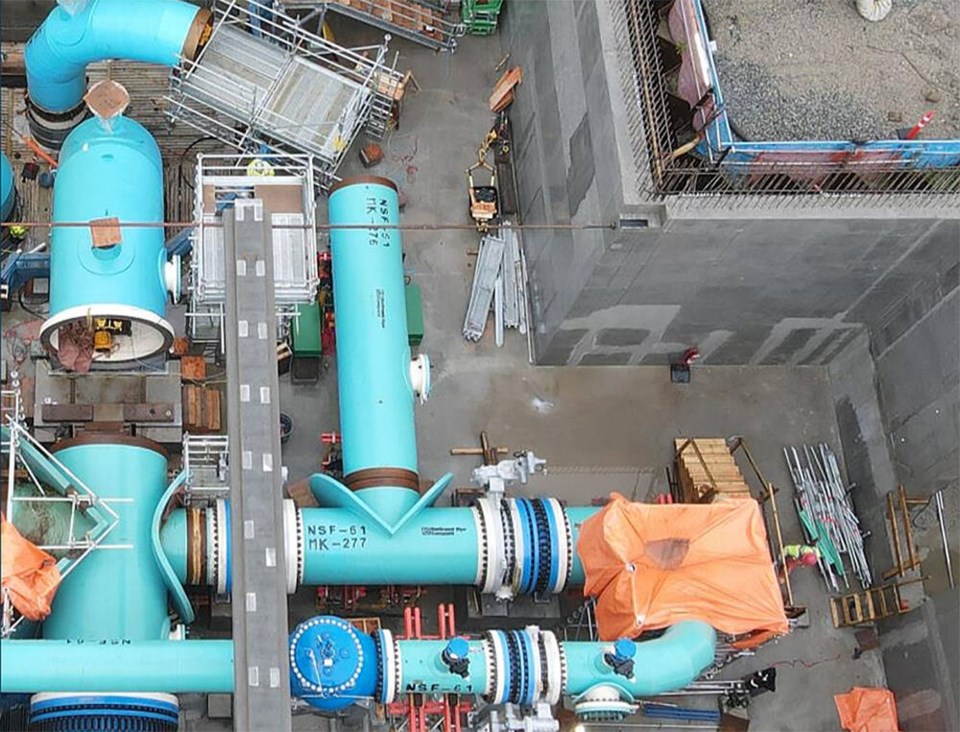
Metro Vancouver has deferred the design and construction of the Lulu Delta Water Supply Tunnel by approximately eight years to around 2040, citing financial sustainability reasons. The delay means the existing 1963 watermain serving Delta and Tsawwassen First Nation will remain in service for at least another decade, raising long-term infrastructure resilience questions for property owners in these communities.
Vancouver City Council voted 10-1 to scrap a sweeping plan that would have rezoned 17 neighbourhoods for multiplexes and townhouses, halting the ABC majority's push for pre-zoned housing growth. While the villages plan is dead, council simultaneously approved an amendment allowing single-egress stairs in R3 zones, unlocking development potential for narrow lots in areas like the Broadway and Cambie corridors.
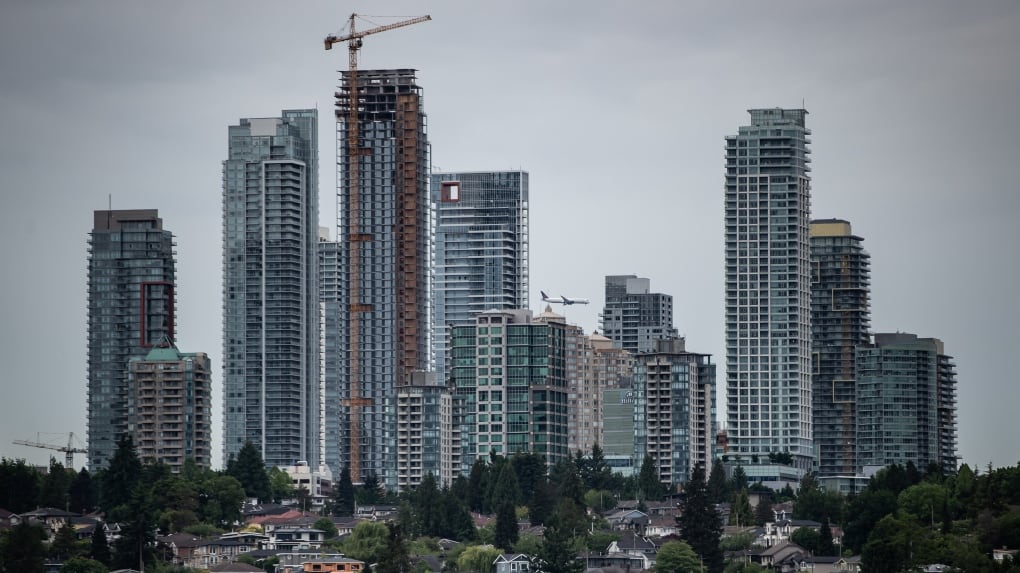
A B.C. Civil Resolution Tribunal decision drastically reduced an $89,000 strata fine against a Burnaby condo owner for unauthorized short-term rentals, revealing critical compliance gaps that every strata property investor in Greater Vancouver needs to understand.
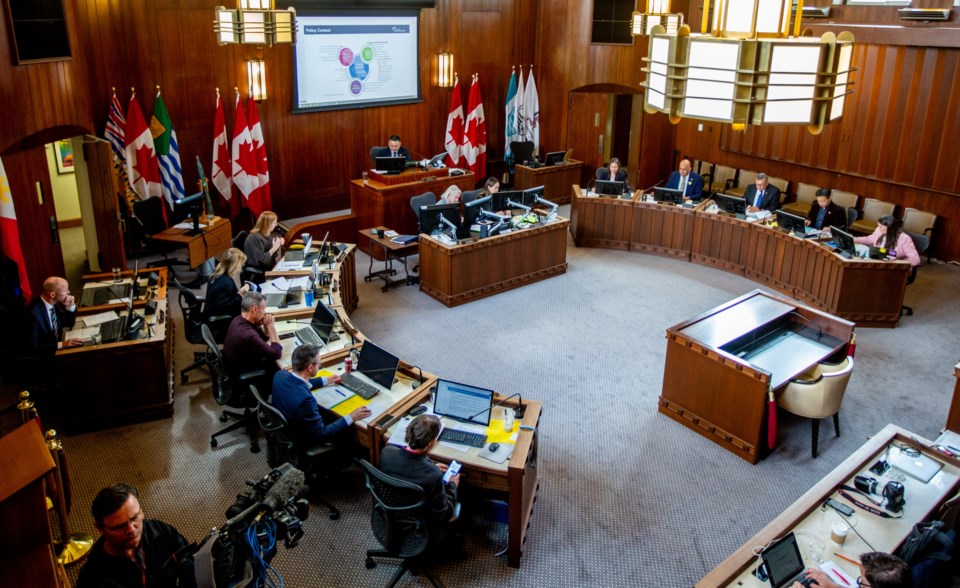
Vancouver Mayor Ken Sim is urging the B.C. government to amend the Vancouver Charter to restrict public hearing participation to Canadian residents, after organized callers from California and suspected union filibuster tactics prolonged recent housing and development hearings—including the contentious Villages Plan and major hotel rezonings—raising concerns about foreign interference and procedural gridlock that could slow new supply.
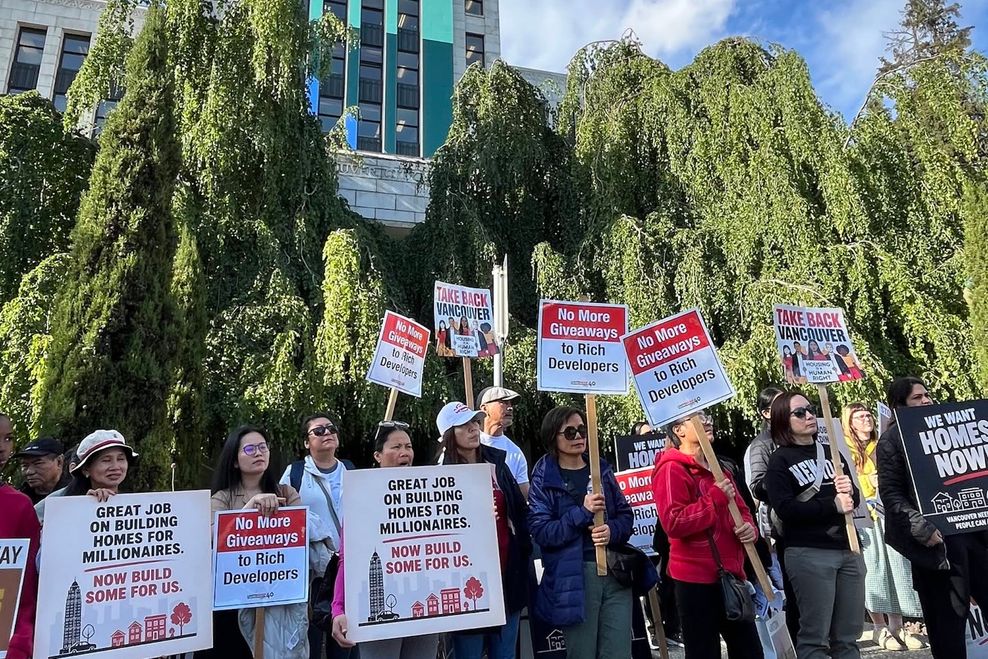
Vancouver City Council approved Holborn Group's 1,034-foot supertall hotel tower and two residential towers at 501-595 West Georgia Street, marking the first technical "supertall" building west of Toronto and reshaping Downtown Vancouver's skyline and development pipeline.
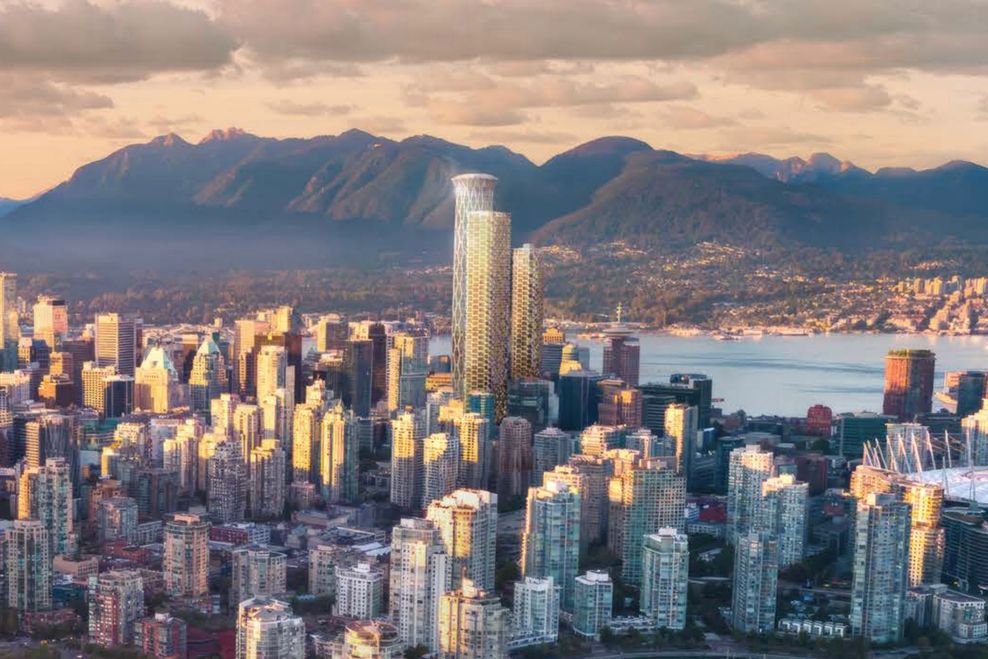
Nearly 24,000 rental units are set to deliver across Greater Vancouver over the next two years, creating a tenant-friendly market that is pressuring rents and pushing vacancy rates higher. For real estate investors and landlords, this supply surge marks a sharp shift from the pandemic-era seller’s market to conditions that favor buyers—but with significant risk differences between newly completed buildings and older legacy assets.
Lower Mainland commercial real estate dollar volume fell 15.3 per cent year-over-year in Q1 2026, yet multifamily transaction counts climbed 33 per cent, creating a split market where asset-class selection matters more than broad timing.

Metro Vancouver has downgraded from temporary Stage 3 to Stage 2 water restrictions after reopening a critical North Shore reservoir pipe, but ongoing drought conditions and low snowpack mean property owners, buyers, and landlords still face limits on pools, lawns, and outdoor water use this summer.

A Zoocasa analysis projects New Westminster townhouses will reach $2 million by 2031, outpacing Vancouver's 2042 timeline, as lower entry prices in suburban markets drive faster compound growth than already-expensive urban cores.
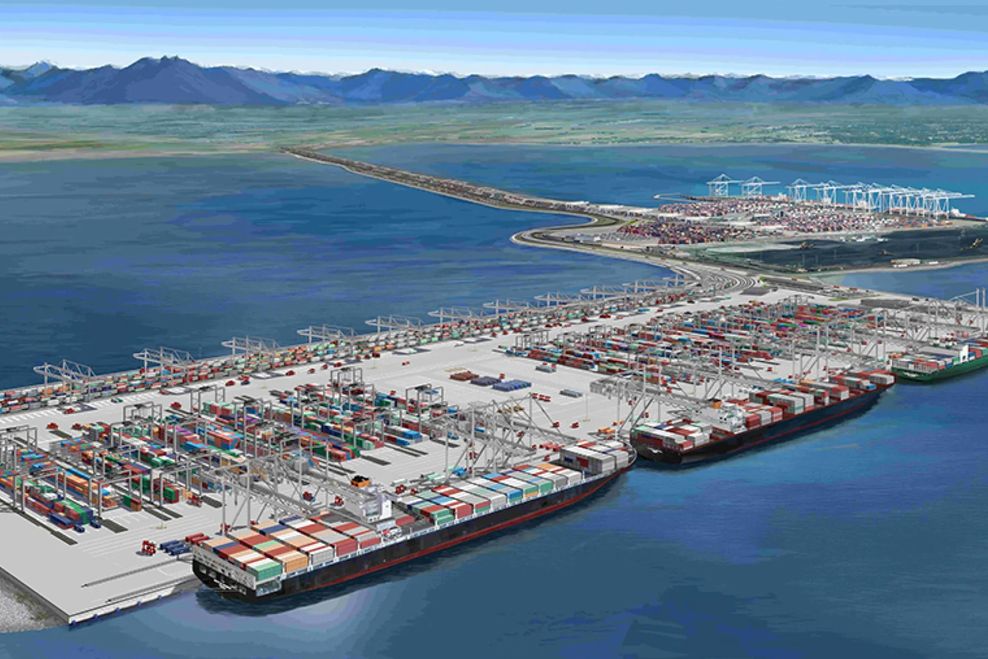
Vancouver Fraser Port Authority selected TerraMarine to build the $3.5B+ Roberts Bank Terminal 2, creating 320 acres of industrial land and 35,000+ jobs. For Delta and Tsawwassen property owners, this locks in a decade-long construction wave and permanent logistics employment base starting mid-2030s.
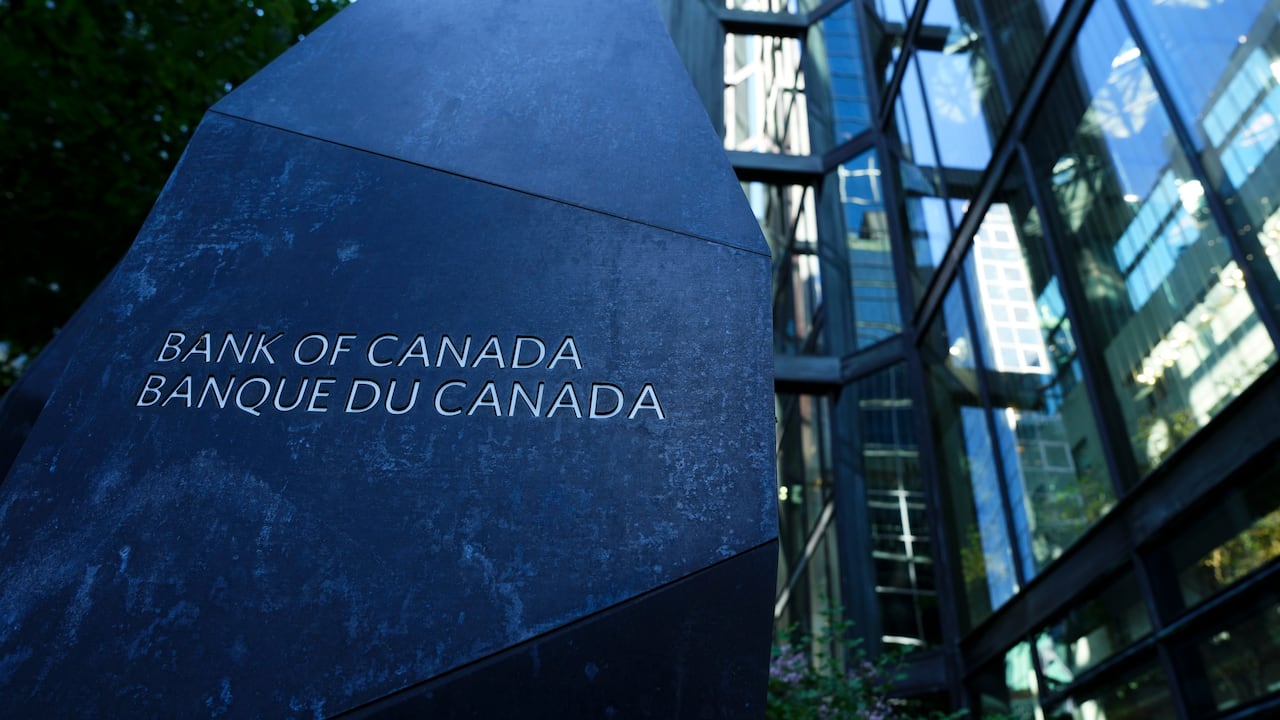
The Bank of Canada held its key interest rate at 2.25% on July 15, 2026, with economists predicting no cuts until mid-2027 at the earliest. For Greater Vancouver buyers and homeowners facing renewals, this removes any hope of immediate payment relief while offering a stable, if expensive, borrowing window through late 2026.
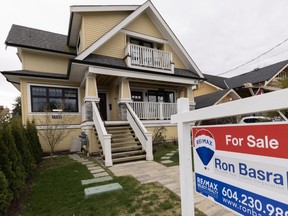
Greater Vancouver home sales are ticking up after months of decline, with Royal LePage reporting a 4.5% year-over-year price drop to $1.164 million, yet sellers who refuse to price aggressively against falling values are seeing their listings stagnate while well-priced properties attract multiple offers.
The $2.83-billion Broadway Subway has entered its rail-testing phase with train cars now running on completed track sections, confirming the late fall 2027 opening timeline. For Mount Pleasant, Fairview, and Kitsilano property owners, this shifts the project from future promise to near-term infrastructure reality, creating a specific window for transaction timing before the commuter floodgates open.
Vancouver city council is racing against the August break and October civic election to decide on a controversial 'villages' rezoning plan affecting 17 neighbourhoods, Western Canada's tallest condo tower proposal, and a $3.5-billion capital spending plan—decisions that could reshape development potential and infrastructure across the city before a potentially new council takes office.

Justice Barbara Young has dismissed Montrose Properties' application to reopen the landmark Cowichan Tribes Aboriginal title case, leaving the Richmond developer and major industrial landowners outside the litigation process and deepening title uncertainty for affected southeast Richmond properties ahead of the government-led appeal.
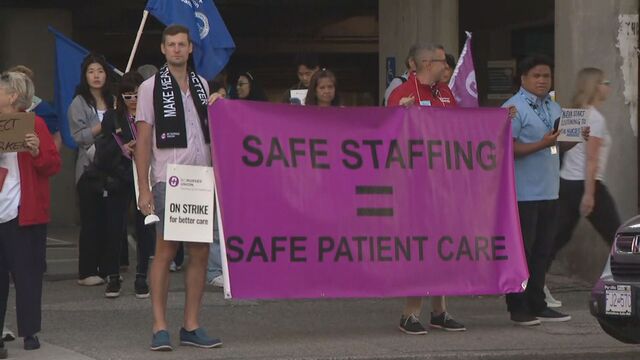
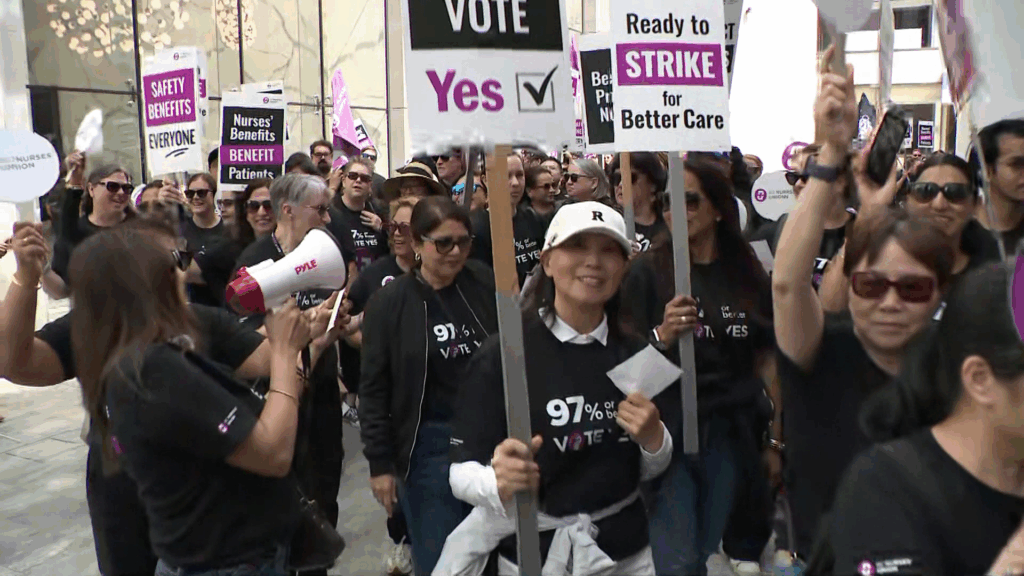
The BC nurses' strike that began July 2 has expanded from mainland hospitals to Vancouver Island, with picket lines now at Nanaimo Regional General Hospital and Victoria's Royal Jubilee. For real estate buyers and investors eyeing Vancouver Island's markets, the escalating healthcare disruption raises practical questions about livability, emergency access, and near-hospital rental demand that go beyond the immediate labor dispute.
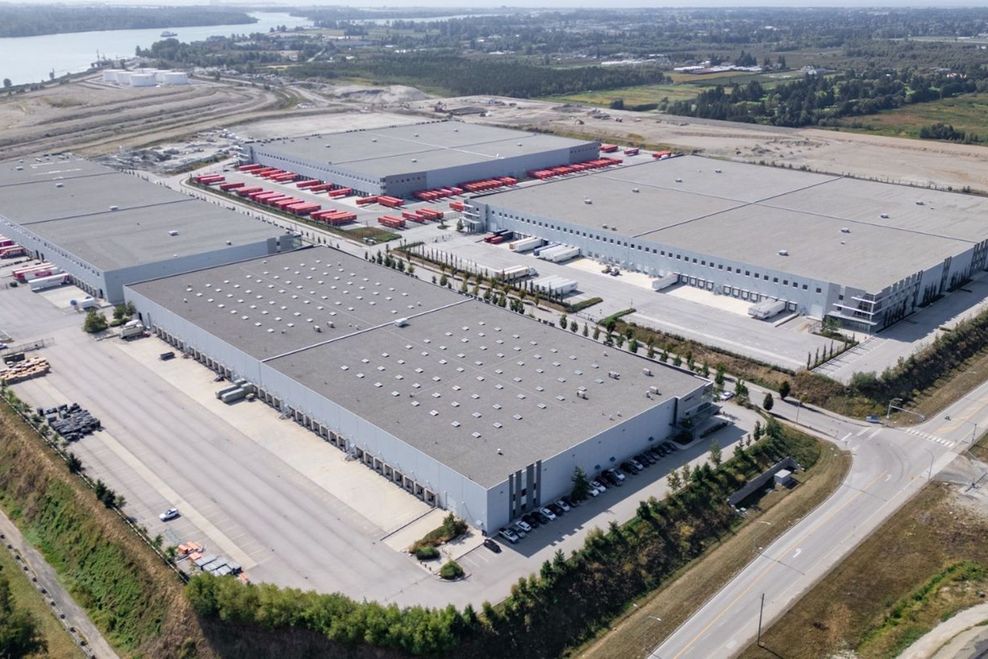
Beedie has broken ground on a 60-plus acre South Campbell Heights Business Park that will deliver over one million square feet of industrial space by 2028, anchored by an undisclosed 'prominent player in the automotive industry.' For South Surrey homeowners and investors, the project signals a significant employment injection into a port-adjacent municipality that has long faced industrial land shortages.
The Bank of Canada is expected to hold its key interest rate at 2.25% on July 15, 2026, as policymakers balance weak economic growth against sticky 2.8% inflation and Middle East supply shocks. For Greater Vancouver real estate, the anticipated "do no harm" decision means mortgage rates likely remain stable through summer, removing both the urgency to refinance and the trigger for a demand surge.
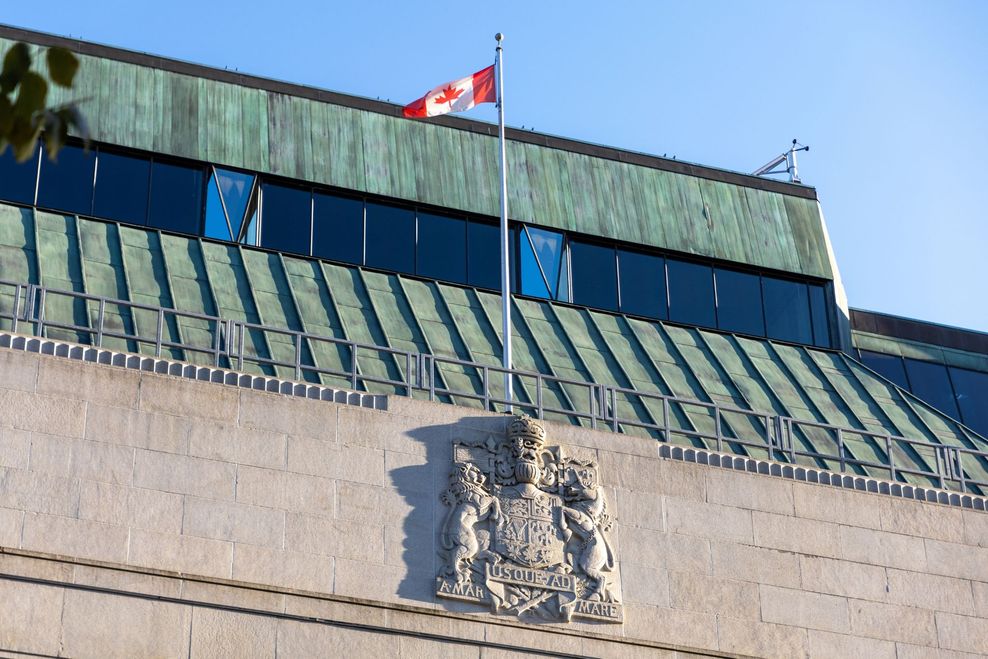
The City of Vancouver will introduce a standardized Amenity Cost Charge (ACC) on September 30, 2026, adding up to $10 per square foot for high-density residential developments while exempting small-scale rental projects and maintaining 20% DCL reductions, fundamentally changing how growth infrastructure gets funded and which housing types receive preferential treatment.
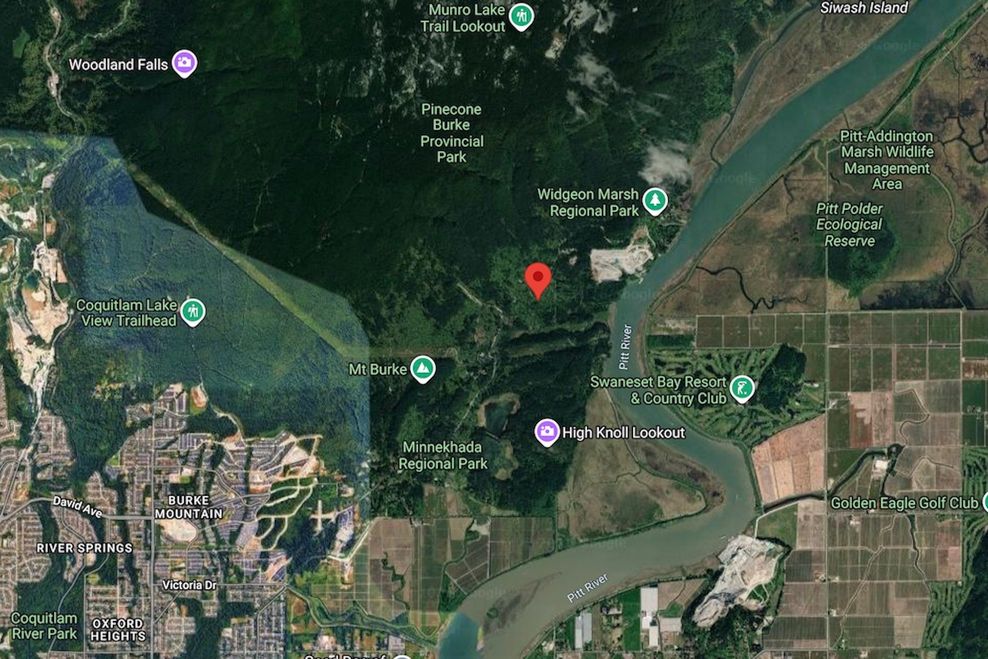
A 160-acre mountainside parcel on Burke Mountain's southeast flank in Coquitlam sold for approximately $14.47 million in one of Metro Vancouver's largest 2026 land deals, signaling that strategic buyers remain willing to hold long-term positions despite slower large-scale land transaction activity across the region.
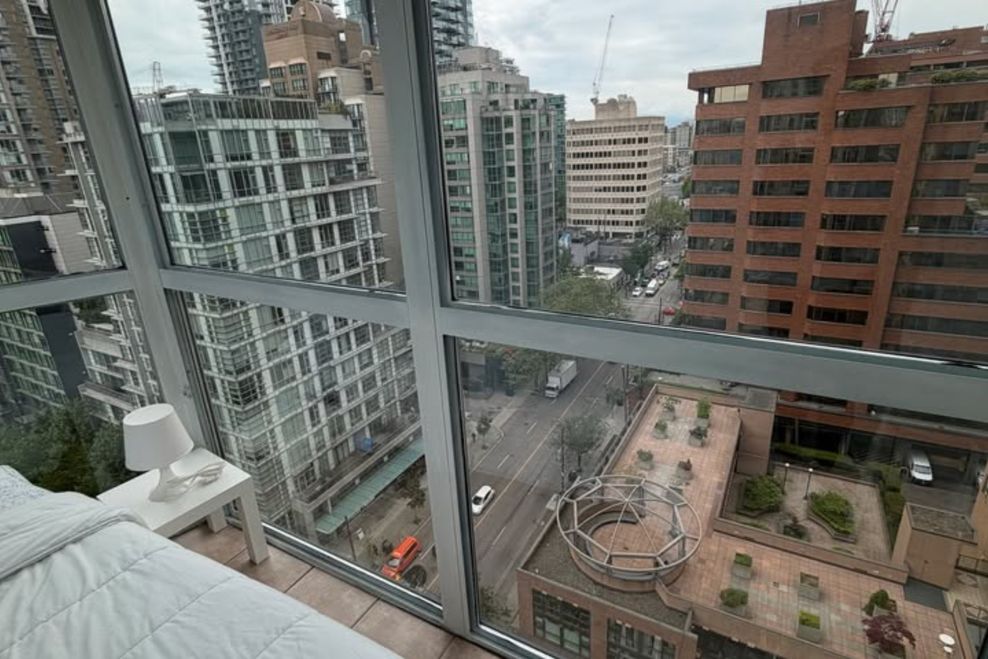
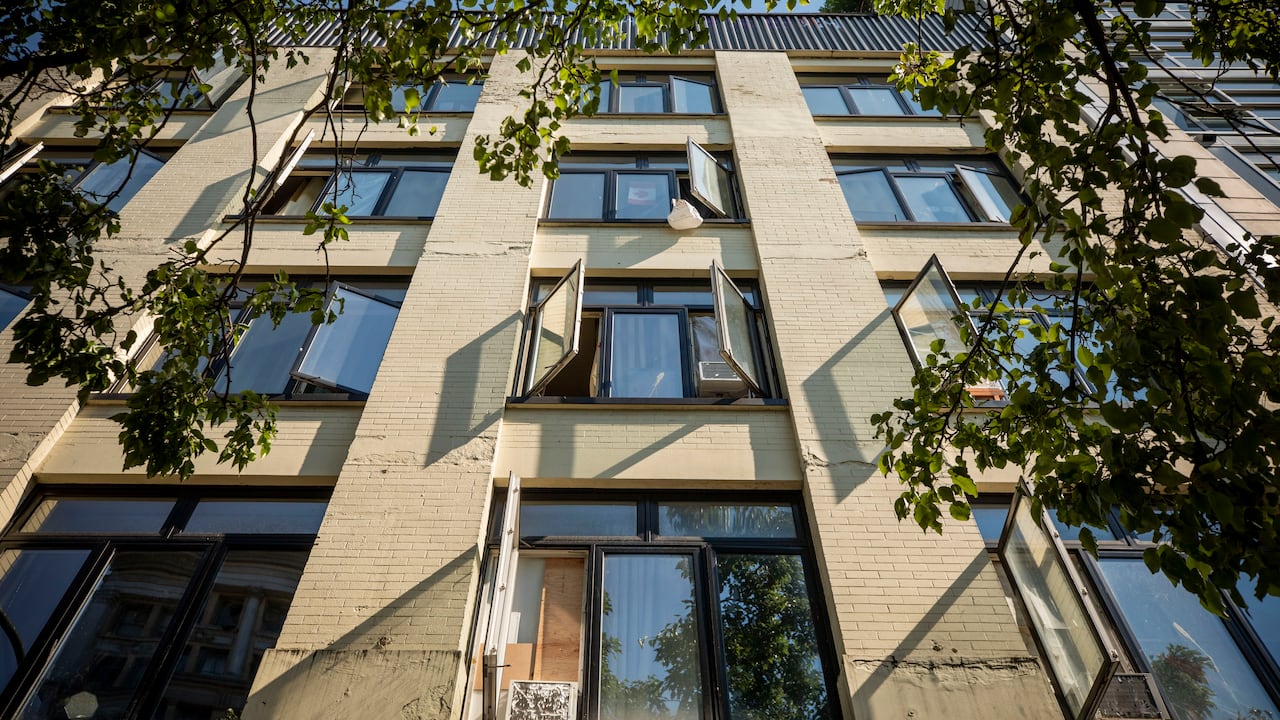
A Facebook Marketplace listing from GoTwo Prime Living advertised a Downtown Vancouver 'private room' for $980 monthly, but photos revealed it was a narrow solarium or balcony with a bed, sparking viral outrage on Reddit and highlighting extreme rental market pressures that push landlords toward creative space conversions and leave vulnerable renters at risk of substandard housing.
Powell River–Sunshine Coast real estate board data shows June 2026 single-family sales jumped 34% year-over-year while average prices fell 8.6%, revealing a market where realistic pricing is driving faster sales but year-to-date volume remains 11.5% behind 2025.

The Canada Mortgage and Housing Corporation distributed $31.7 million in taxpayer-funded bonuses to executives and staff during the housing affordability crisis, raising questions about institutional credibility and political risk for Vancouver buyers relying on CMHC mortgage insurance.

Statistics Canada data reveals that individual investors owning up to five properties control nearly half of British Columbia's rental market value, far outpacing institutional giants like REITs and pension funds. While this fragmented ownership suggests healthy competition, the 2022 assessment data captures a speculative peak that looks markedly different from today's higher-rate environment where some small landlords may face selling pressure.

Downtown Vancouver's office vacancy rate has hit approximately 13%, but two major tower sales and new forecasts suggest the market may be nearing an inflection point by 2029, creating strategic questions for residential buyers watching employment density in Coal Harbour and the West End.
A B.C. Supreme Court judge has denied Montrose Properties' attempt to reopen the landmark Cowichan Aboriginal title case, cementing a ruling that declared approximately 800 acres of Richmond private land "defective and invalid" while suspending the decision for 18 months to allow transitional arrangements.
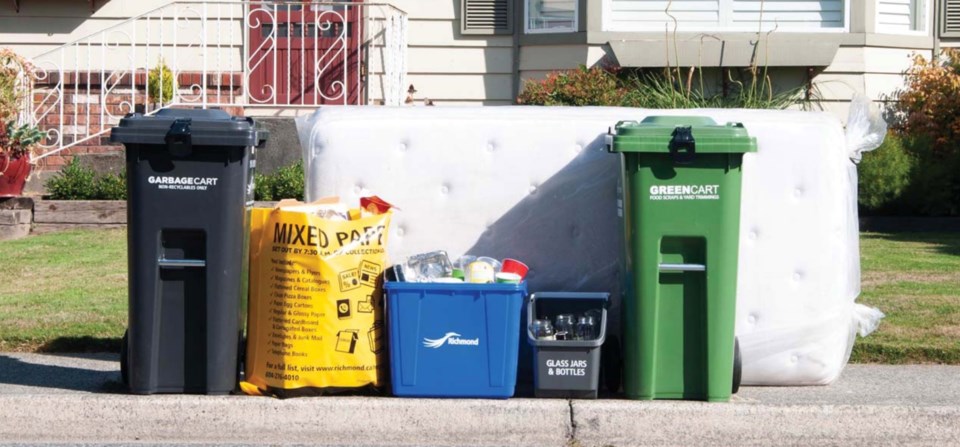
Richmond's recycling contamination has exceeded provincial limits, triggering mandatory bin audits in July 2026 and potential financial penalties that could flow through to homeowner utility bills. The issue matters for real estate because municipal service costs and compliance burdens increasingly affect carrying costs, tenant expectations, and neighbourhood desirability in multi-family and single-family properties.
JWest Foundation has submitted a revised rezoning application to increase tower heights from 24-26 storeys to 37-39 storeys at 940-950 West 41st Avenue, proposing 630 rental homes—including 20% non-profit operated units—while dropping the originally promised 299 social housing units, with a July 16 public hearing scheduled.
With less than six months until the federal Prohibition on the Purchase of Residential Property by Non-Canadians automatically expires on January 1, 2027, Vancouver buyers and developers are watching whether Ottawa will let it lapse, adopt an Australia-style new-build exemption, or extend it again. While economists like BMO’s Robert Kavcic argue the ban’s market impact has been marginal compared to provincial foreign-buyer taxes and interest rates, industry leaders including Beedie, Polygon and Cressey warn that extending it would deepen developer financing stress, and local agents note the real signal will be felt in pre-sale inventory and policy confidence rather than an immediate flood of overseas capital.

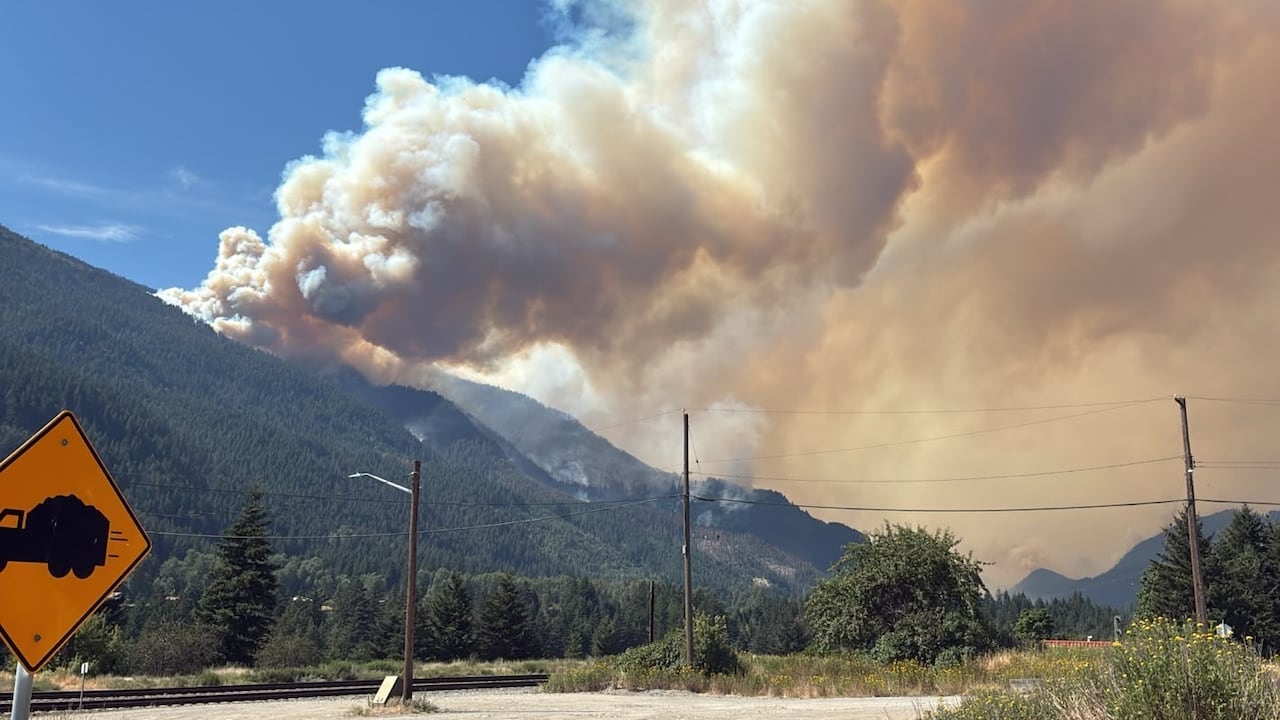
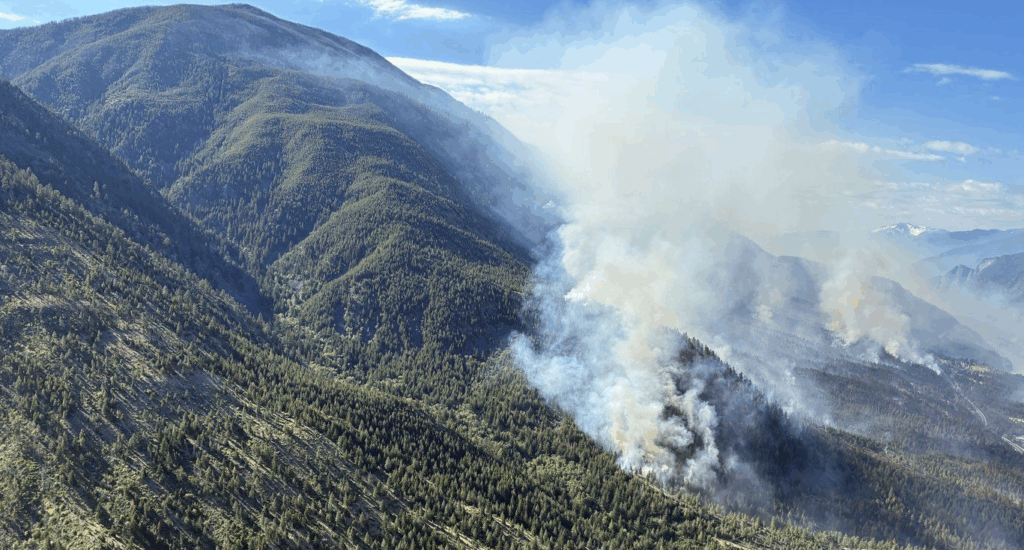
The Brunswick Creek wildfire has prompted a third evacuation order near Boston Bar, B.C., affecting the Boston Bar First Nation's IR 2 Kopchitchin area, while two previous orders remain in effect for North Bend and Boothroyd Indian Band. For buyers and owners of Fraser Canyon recreational properties and rural land, the 12.3-square-kilometre human-caused fire highlights escalating climate risks and insurance challenges that are reshaping due diligence requirements in BC's interior corridors.
Greater Vancouver home sales rose 9.6% year-over-year in June 2026 across all housing types for the first time in years, while new listings declined 6% and total inventory stabilized at 17,017 properties, suggesting the prolonged buyer's market may be approaching a transition point.
BC Nurses' Union members established picket lines at Vancouver General Hospital Tuesday as contract negotiations stall, with escalation planned for Surrey Memorial Hospital Thursday, raising practical questions about housing demand stability in Vancouver's major medical employment corridors.
The George Massey Tunnel replacement budget has doubled to $8.5 billion with completion pushed to September 2031, leaving Richmond, Delta and Ladner commuters facing at least five more years of congestion while the province resets its procurement strategy following the cancellation of its previous construction contract.
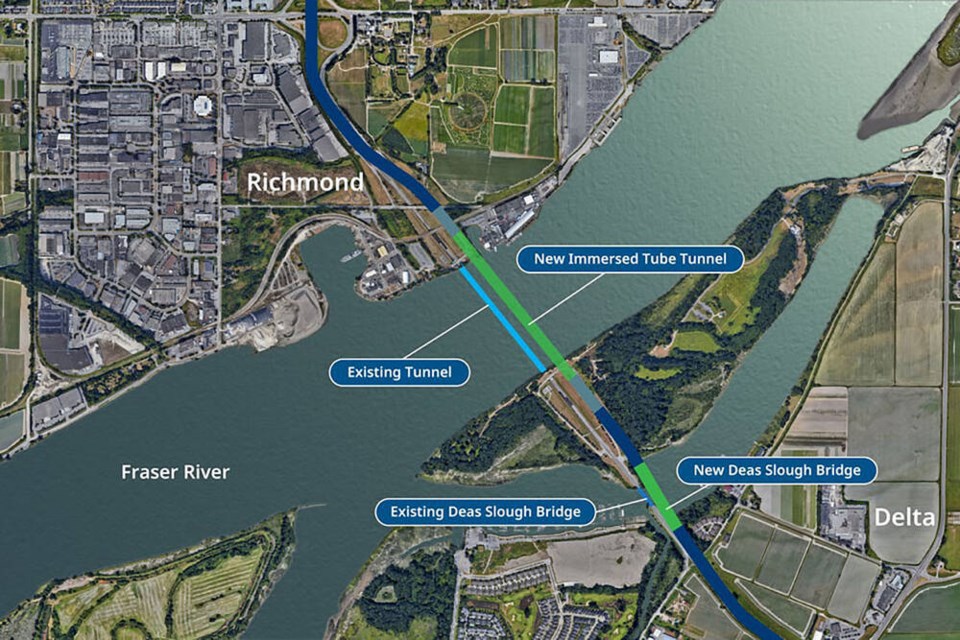
Richmond has secured $200,000 in provincial funding to streamline development approvals, joining 56 municipalities in a $9 million program aimed at cutting red tape. For a market where pre-sale timelines and rental supply bottlenecks often trace back to municipal processing delays, this signals where the city is prioritizing efficiency—but also raises questions about which projects actually get fast-tracked.
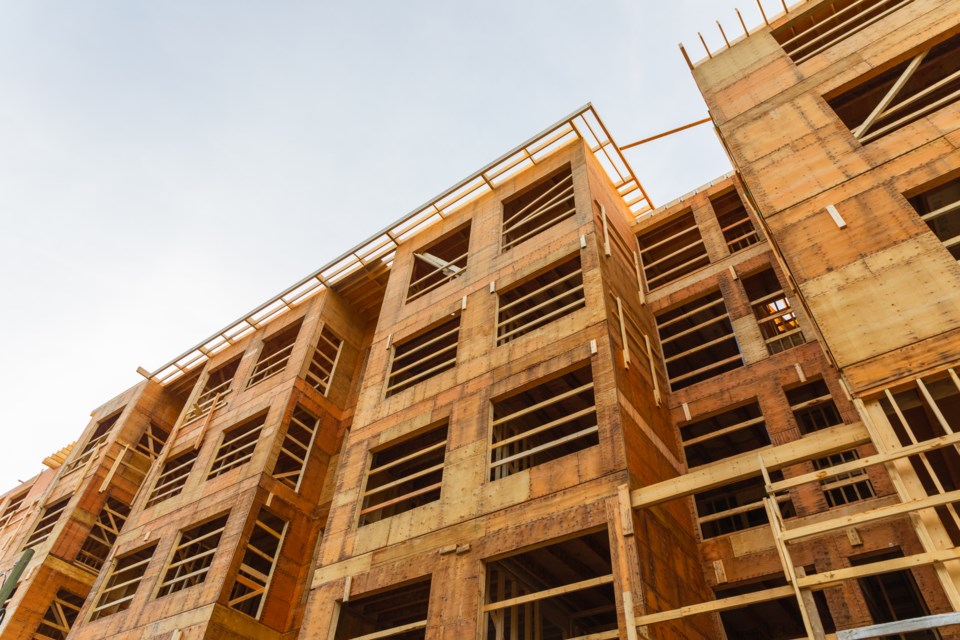
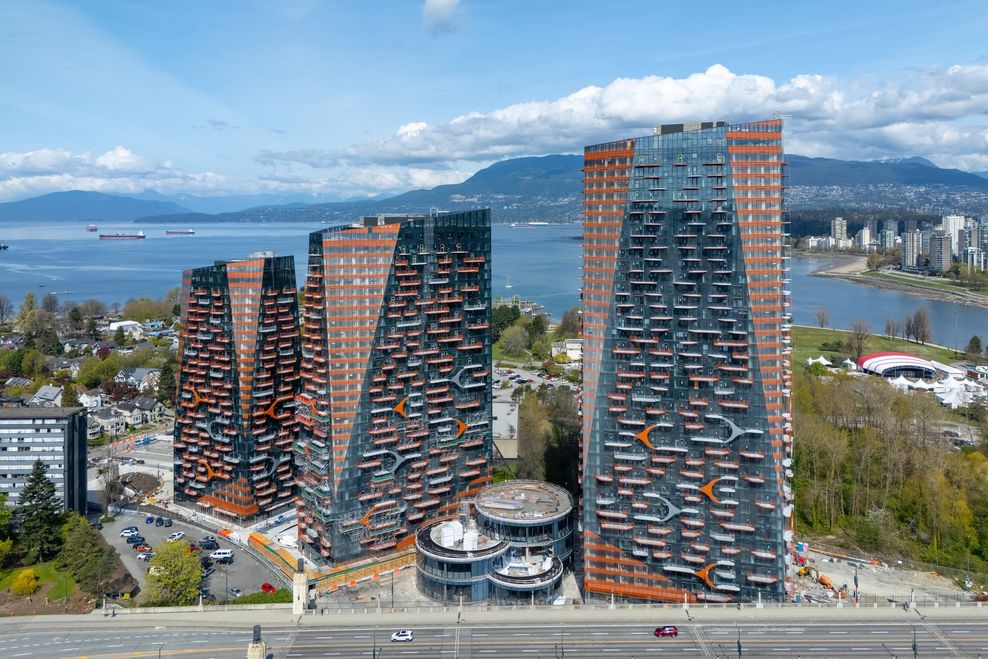
Senakw's first tower began leasing in June 2026 with rents ranging from $1,735 to over $9,000, sparking criticism about affordability despite the project securing nearly one-third occupancy within weeks in a softening rental market.
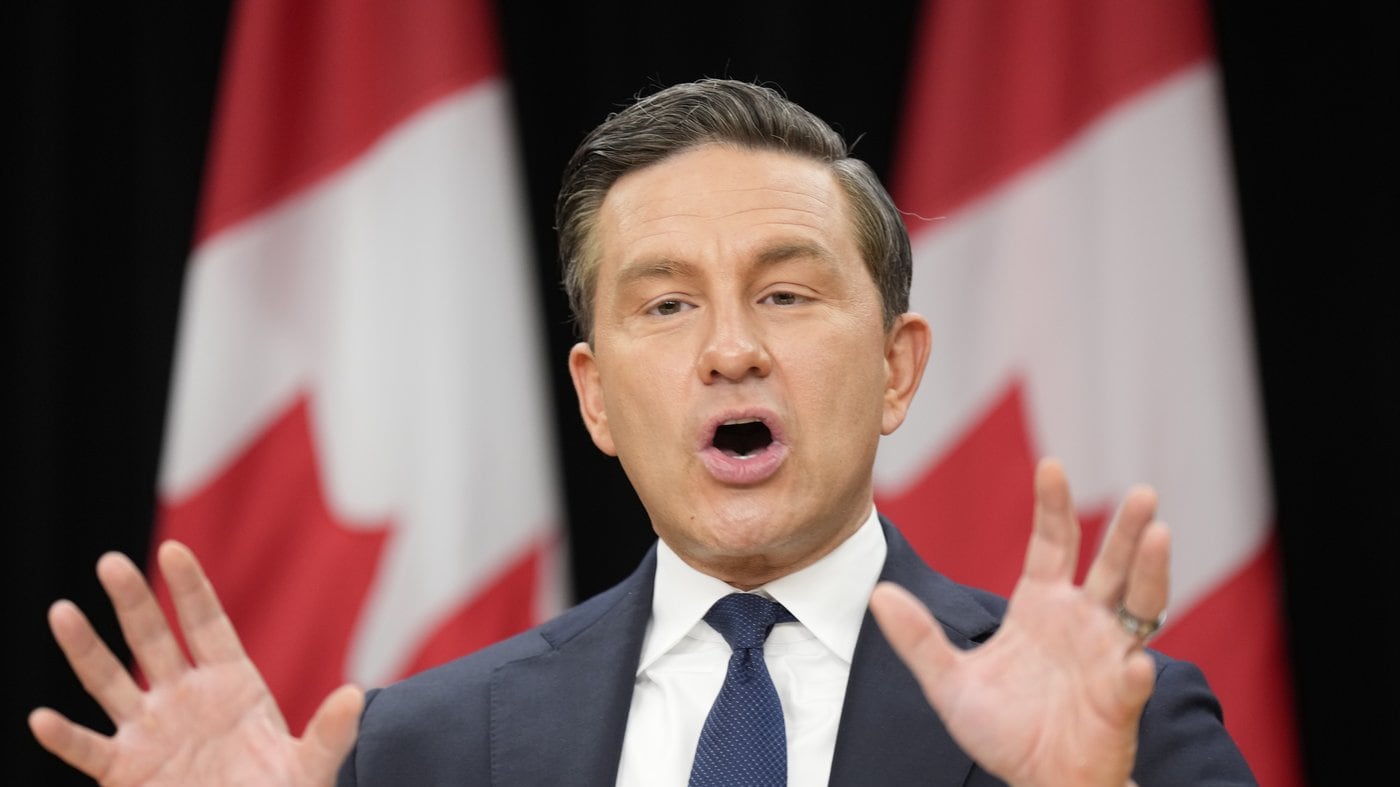
Conservative Leader Pierre Poilievre has called for a parliamentary ethics probe into Ottawa's proposal to convert 2,200 vacant B.C. condos into affordable housing through a $1.45 billion rent-to-own program, as new data shows Metro Vancouver holds 4,376 unabsorbed apartment units. The political battle over whether this constitutes a developer 'bailout' blocking market correction creates immediate uncertainty for condo buyers, sellers, and investors weighing inventory glut against policy intervention.
Home sales across Greater Vancouver and the Fraser Valley rose in June 2026, with Metro Vancouver seeing its strongest year-over-year gain since the rate hikes began, yet benchmark prices continued falling across all property types, creating a high-inventory buyer's market that has sellers and investors waiting for a floor.
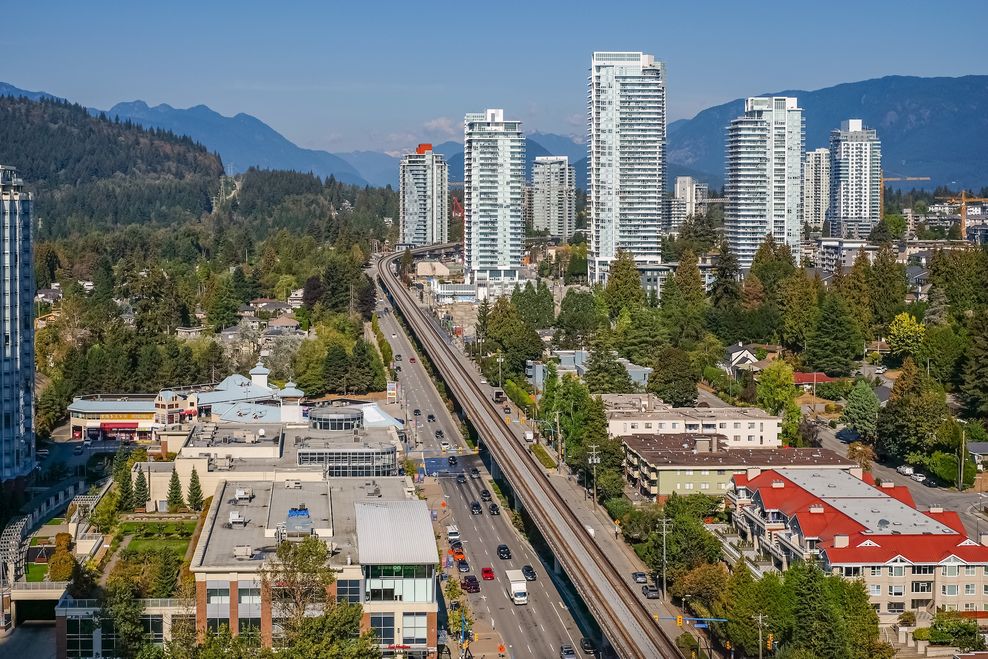
Ottawa has committed up to $3 billion to replace the aging Massey Tunnel, two weeks after B.C. fired the original contractor over ballooning costs that may now reach $11 billion. For South Delta homeowners and investors, this federal backing signals the critical artery will eventually get built—but the timeline and cost overruns create a complex window for real estate decisions.

Moment Energy has opened the world's largest EV battery repurposing facility in Surrey, creating over 1,000 jobs and signaling a major shift in Metro Vancouver's industrial base. For real estate, this validates Surrey's transition from bedroom community to high-tech employment hub, with specific implications for housing near industrial corridors and commercial property valuations.
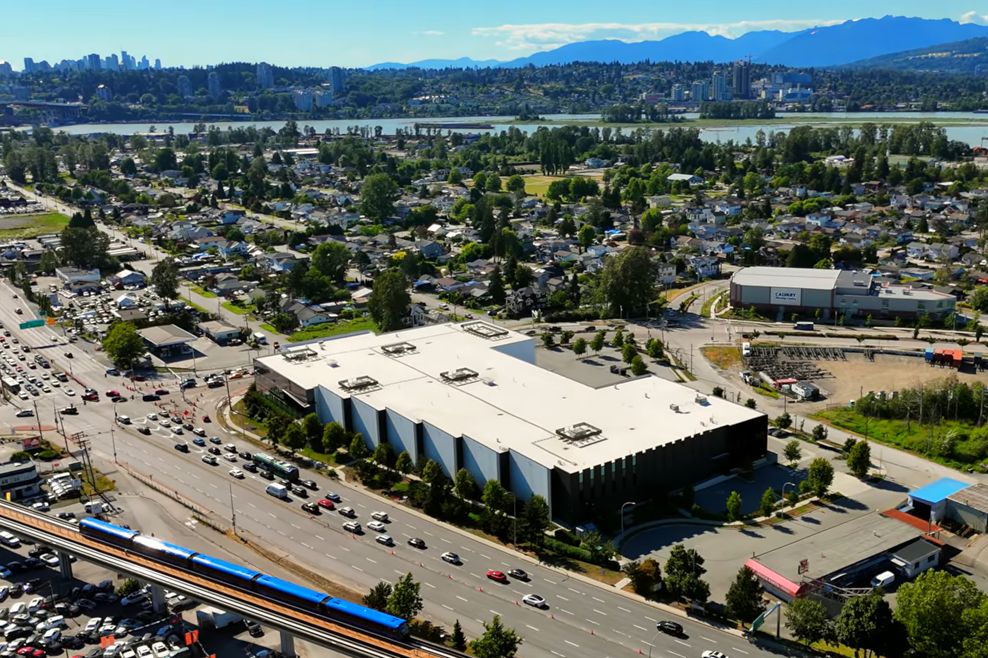
B.C. developers through the Urban Development Institute are pushing back against provincial proposals to purchase unsold condo inventory, preferring instead the removal of GST or direct purchase price subsidies. This policy divergence signals important implications for pre-sale buyers and investors watching new construction liquidity and completion risks across Greater Vancouver.
Premier Eby and Prime Minister Carney announced a multi-billion-dollar 'prosperity partnership' Thursday, keeping the North Coast oil tanker ban in place while Alberta pushes a competing pipeline proposal—creating distinct signals for northern and coastal property markets.
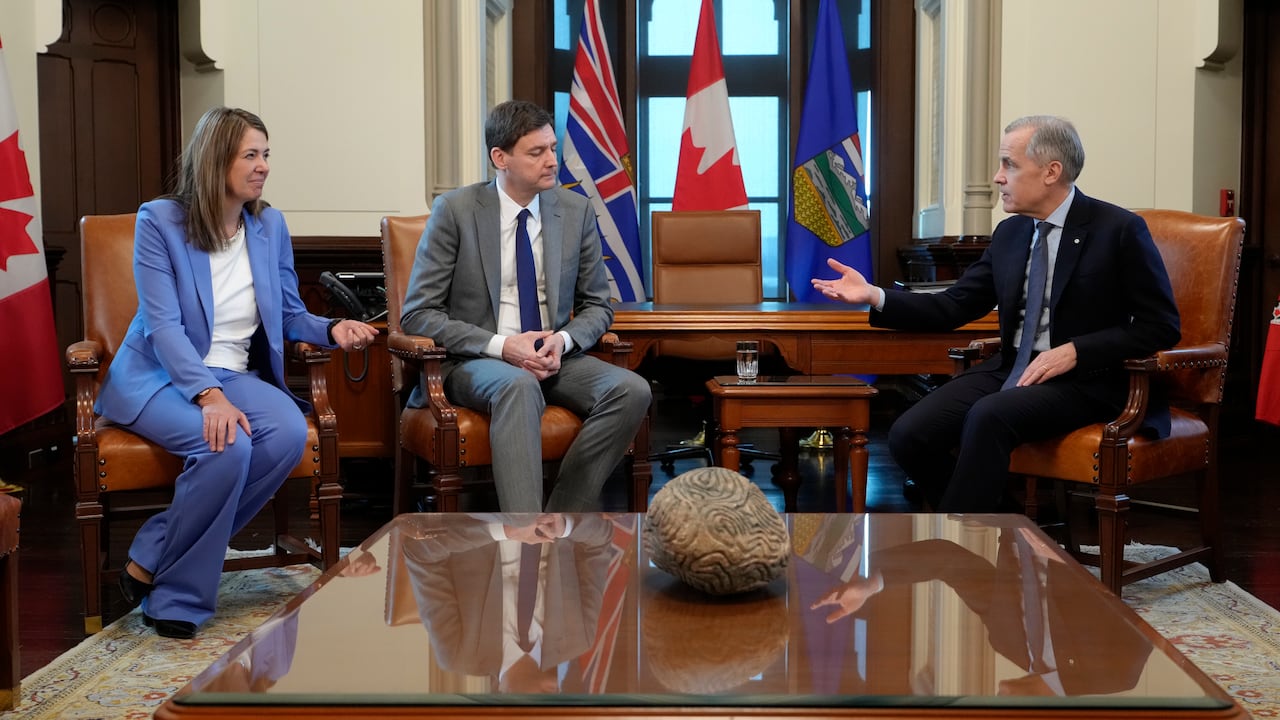
The Province has partnered with BC Hydro, FortisBC and Ottawa to expand the Energy Conservation Assistance Program (ECAP), delivering no-cost heat pumps, insulation and weatherization to over 7,600 income-qualified households. For Greater Vancouver buyers and landlords evaluating older housing stock, this creates a new due diligence factor: distinguishing between subsidized upgrades that reduce monthly carrying costs and private renovations that command resale premiums.

BC's new electricity plan targets only 50% supply growth by 2050 despite a provincial promise to double capacity, creating a 110% planning gap that threatens industrial expansion and residential electrification timelines.
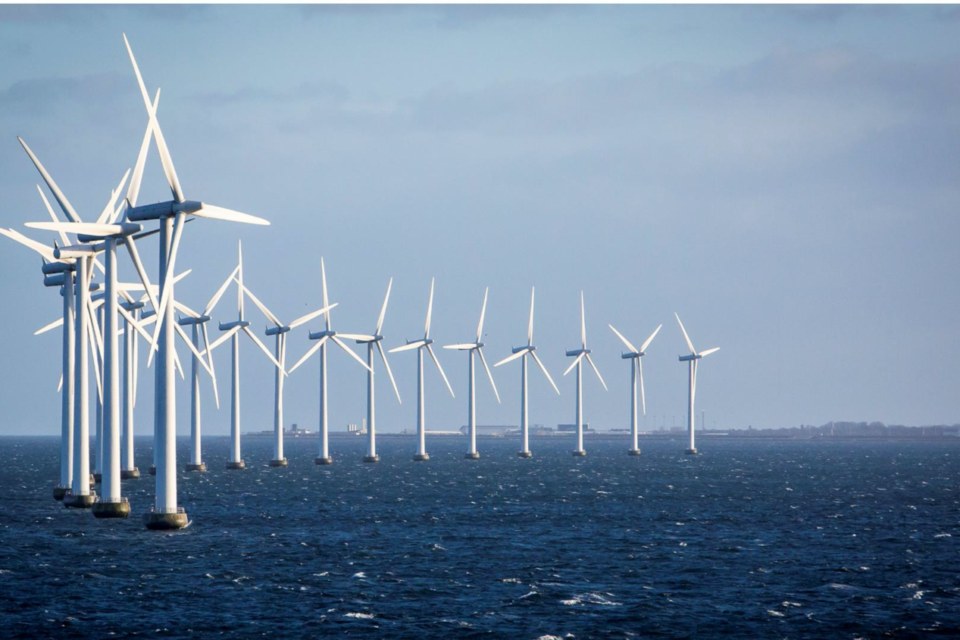
New Westminster became the first Canadian city to mandate maximum indoor temperatures for rental units, requiring at least one living space to stay below 26°C during overnight hours. For buyers and investors targeting older walk-up buildings from the 1960s to 1980s, this creates new compliance obligations and potential retrofit costs that could affect cash flow and property valuations.
A charter boat carrying 10 people sank near Roberts Bank off Richmond on Sunday, leaving six missing and four rescued in a major search operation involving military aircraft, Coast Guard hovercraft, and multiple marine rescue stations. For buyers and owners eyeing Richmond waterfront property, the incident is a sharp reminder that Strait of Georgia living comes with specific marine risks, insurance complexities, and due diligence questions that go beyond the view.

The Squamish-Lillooet Regional District ordered evacuations for approximately two dozen properties near Pemberton due to imminent flood risk from Place Glacier's periodic outbursts, marking the third consecutive year of such events. According to UNBC professor Brian Menounos, thinning ice has expanded the glacial lake basin, creating a recurring hazard likely to persist for 10 to 20 years, raising critical questions about climate risk disclosure and insurance viability for recreational and rural properties in BC's mountain regions.

Prime Minister Mark Carney and Premier David Eby announced a $1.45 billion plan to purchase over 2,200 unsold condo units in B.C. at below-market rates for conversion to affordable rent-to-own housing, explicitly excluding Vancouver proper while targeting Fraser Valley, Okanagan and Vancouver Island markets where developers face distress.
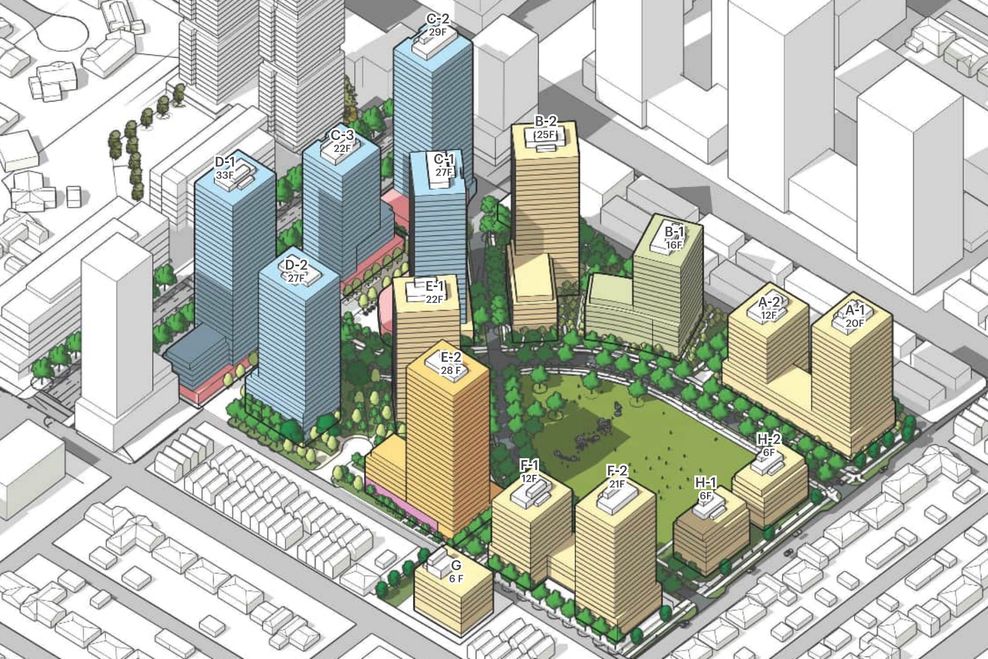
Grosvenor has scrapped the economically unviable 2020 rezoning plan for the former TransLink bus depot at 41st and Oak, submitting a new proposal that nearly doubles the residential density to 3,000 homes with a dramatic shift toward secured purpose-built rental housing. This revision signals how rising construction and financing costs are forcing developers to pivot from strata-focused projects to rental-heavy portfolios in Vancouver’s transit-oriented Cambie Corridor.
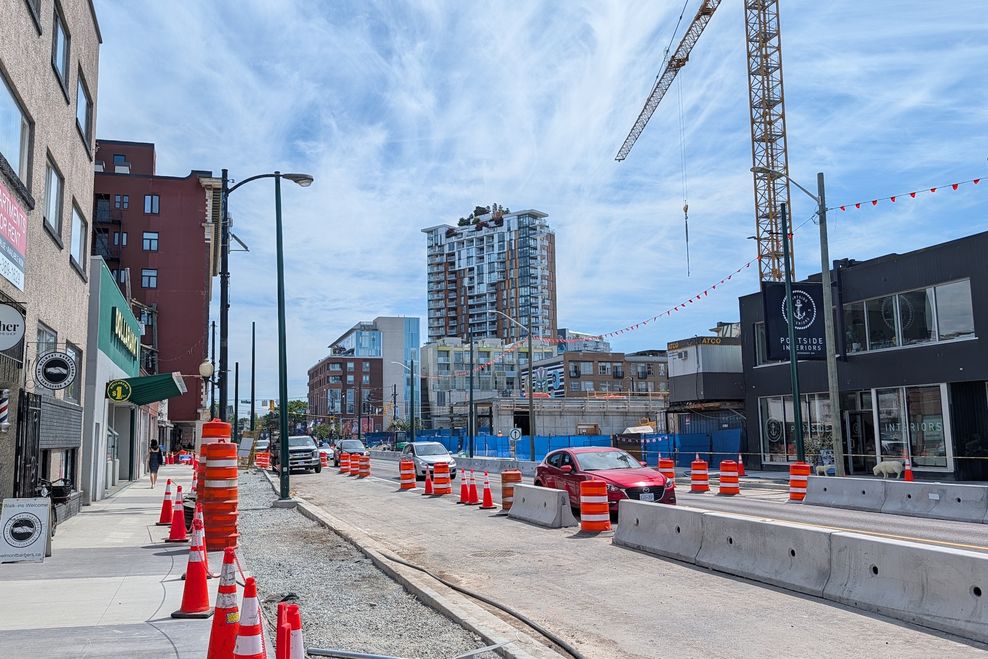
East Broadway between Main and Quebec streets restores four permanent vehicle lanes on June 25, 2026, ending months of severe construction disruption above Mount Pleasant Station, while Broadway between Cambie and Alberta streets prepares for a six-month full closure later this year.
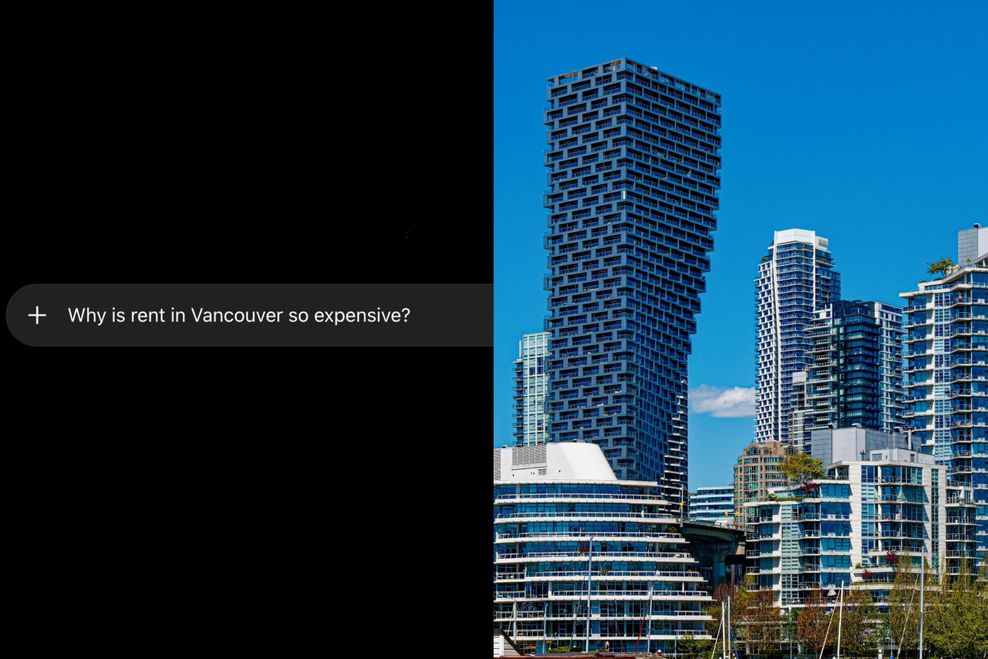
A new Rentals.ca survey reveals that 27% of Vancouver renters now use AI tools like ChatGPT to navigate the city's brutal rental market, yet the data exposes a surprising gap between high-tech search methods and old-school housing priorities.
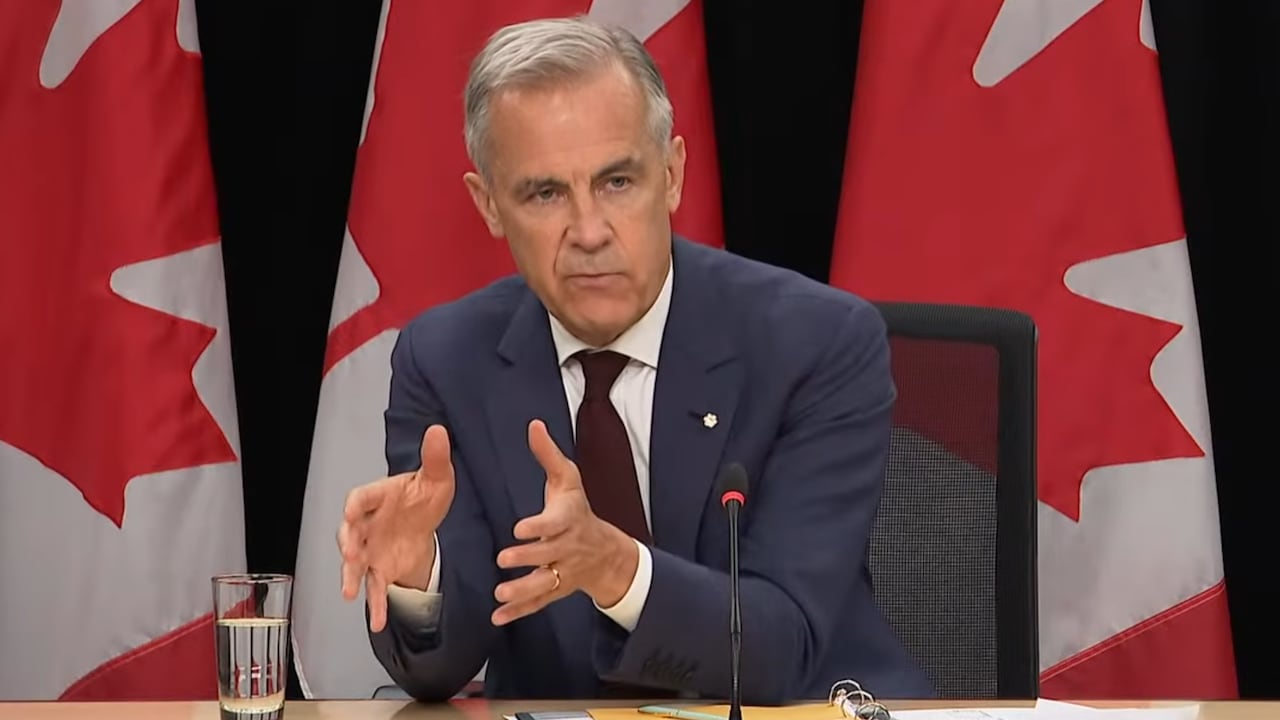
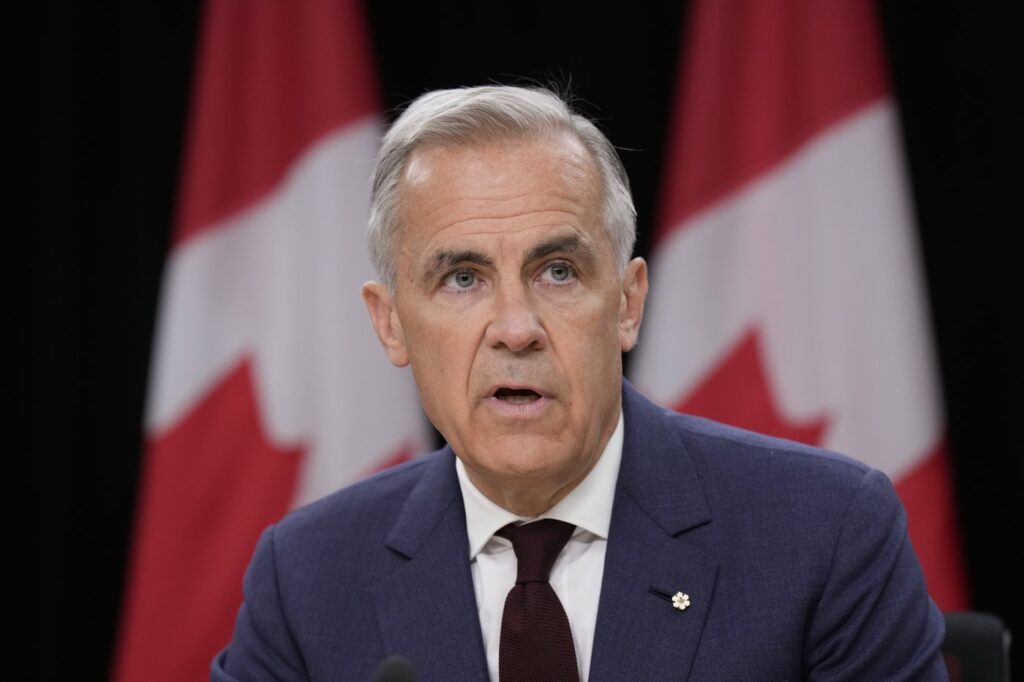
Prime Minister Mark Carney is defending a proposal to convert 2,200 unsold BC condominium units into affordable housing through a rent-to-own framework, insisting the $1.45 billion plan supports homebuyers rather than bailing out developers facing losses in a slow market. The federal government would contribute 10% of the cost while BC covers the remainder, offering a potential pathway to ownership for residents struggling with down payments in one of Canada's most expensive markets.
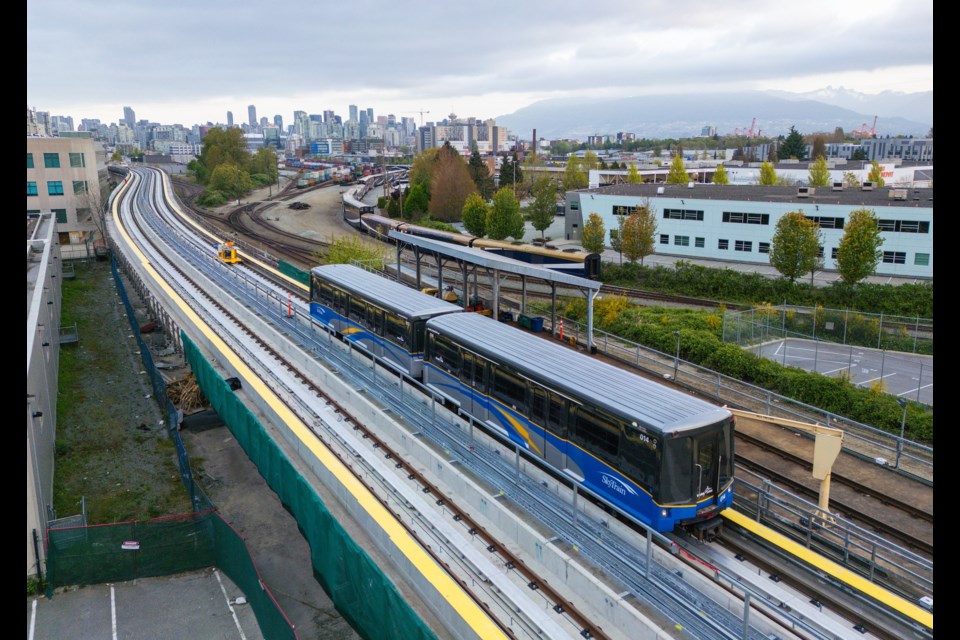
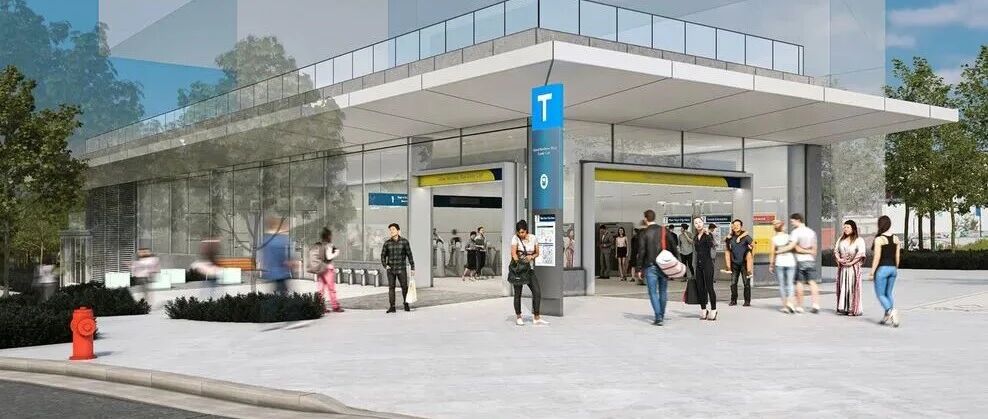
With wooden ceiling panels hoisted and train testing underway, Vancouver’s Broadway Subway has shifted from underground promise to physical reality, creating a critical decision window for buyers and sellers in Mount Pleasant and South Granville before the late 2027 opening.
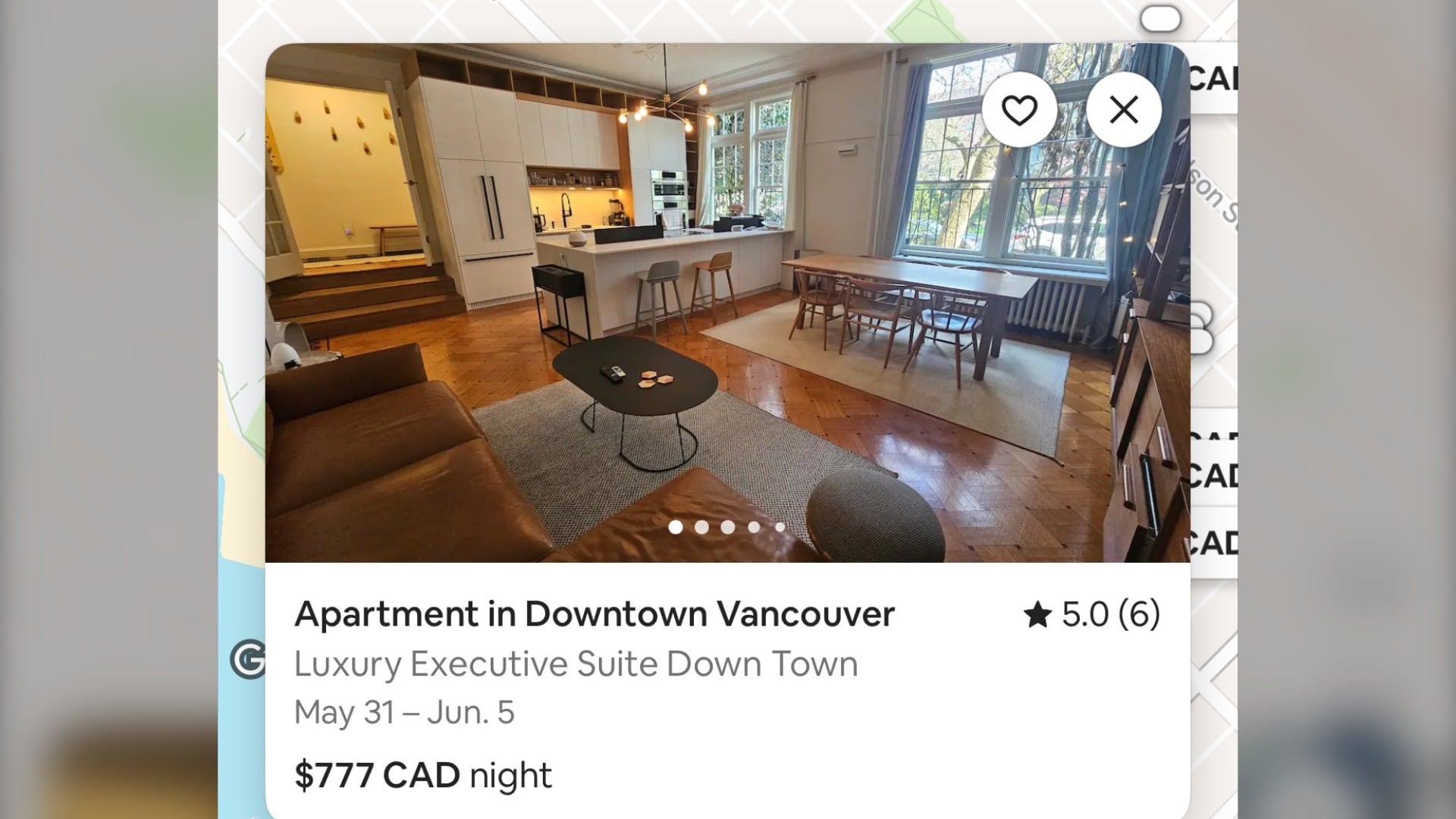
The B.C. Financial Services Authority has issued multiple alerts about Matthew Kuras, a former licensed agent accused of renting Vancouver properties under false pretences and listing them on Airbnb without owner consent, exposing gaps in tenant screening even when credentials check out.
The 50-year-old 'Telus Boot' office tower at 3777 Kingsway is being restored as the centerpiece of King & Park, a 6.6-acre mixed-use community adding 2,500+ homes near the Central Park District. With Phase 1 rentals targeting 2030 completion and potential SkyTrain station discussions resurfacing, the project tests Burnaby's appetite for complex infill development while creating a distinct alternative to Metrotown's density.
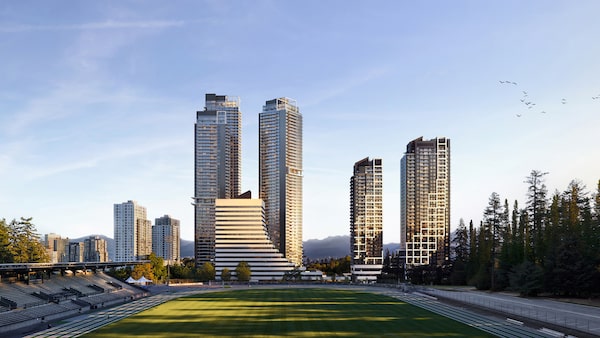
Townline Homes CEO Rick Ilich is proposing a compromise to Canada's foreign buyer ban: allow foreign capital back into Metro Vancouver's stalled condo market only if units are professionally rented for five years, a pitch designed to revive construction financing while addressing housing minister Christine Boyle's affordability concerns.
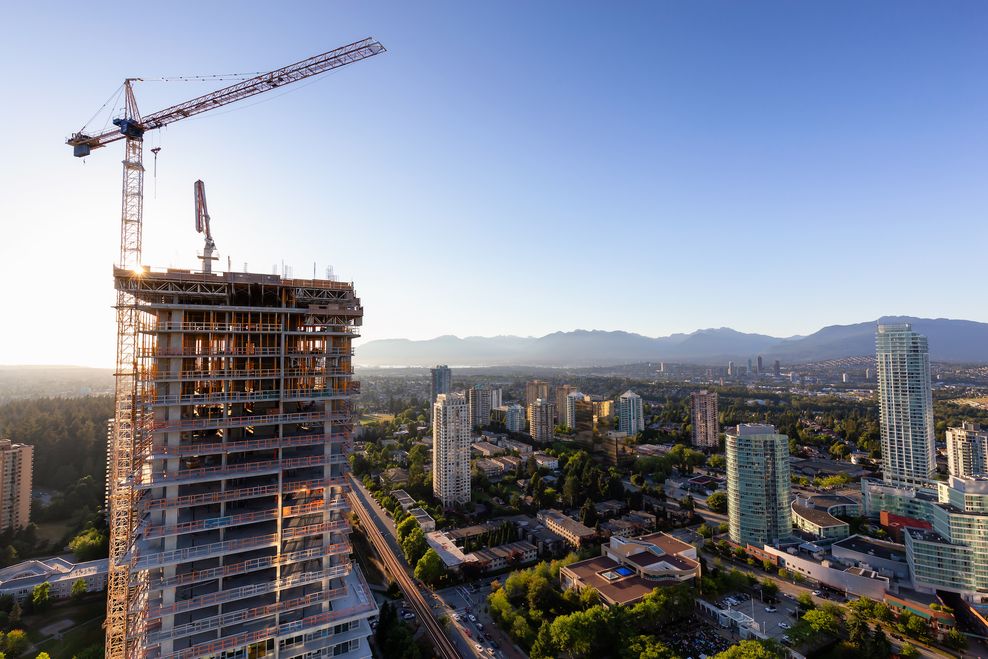
All eight stations of the $5.7-billion Surrey-Langley SkyTrain extension are now under active construction with rail installation beginning, keeping the project on track for a late 2029 opening that will cut commute times from Langley to King George Station from 45 minutes to 22 minutes.
TransLink's Coast Mountain Bus Company has reached a tentative agreement with Unifor Locals 111 and 2200, preventing a strike by 5,000 bus drivers and transit workers during Vancouver's FIFA World Cup hosting period. The deal ensures continued transit service across Metro Vancouver while the city experiences an 18% surge in ridership, protecting property accessibility values in transit-dependent neighborhoods.
Concord Pacific's former Molson brewery site at 1550 Burrard Street has cleared a key hurdle as Vancouver council applies to Metro Vancouver to convert the 2.5-block industrial property to mixed-use urban development, potentially delivering the grocery stores, tech offices and amenities that the neighbouring Sen̓áḵw development lacks.
The Saw Creek wildfire has forced evacuation orders for 15 Lytton properties and closed 115 km of Highway 1 just days before the fifth anniversary of the 2021 inferno that destroyed the town, forcing buyers and owners to confront the ongoing insurance, access, and climate risks of Interior BC real estate.
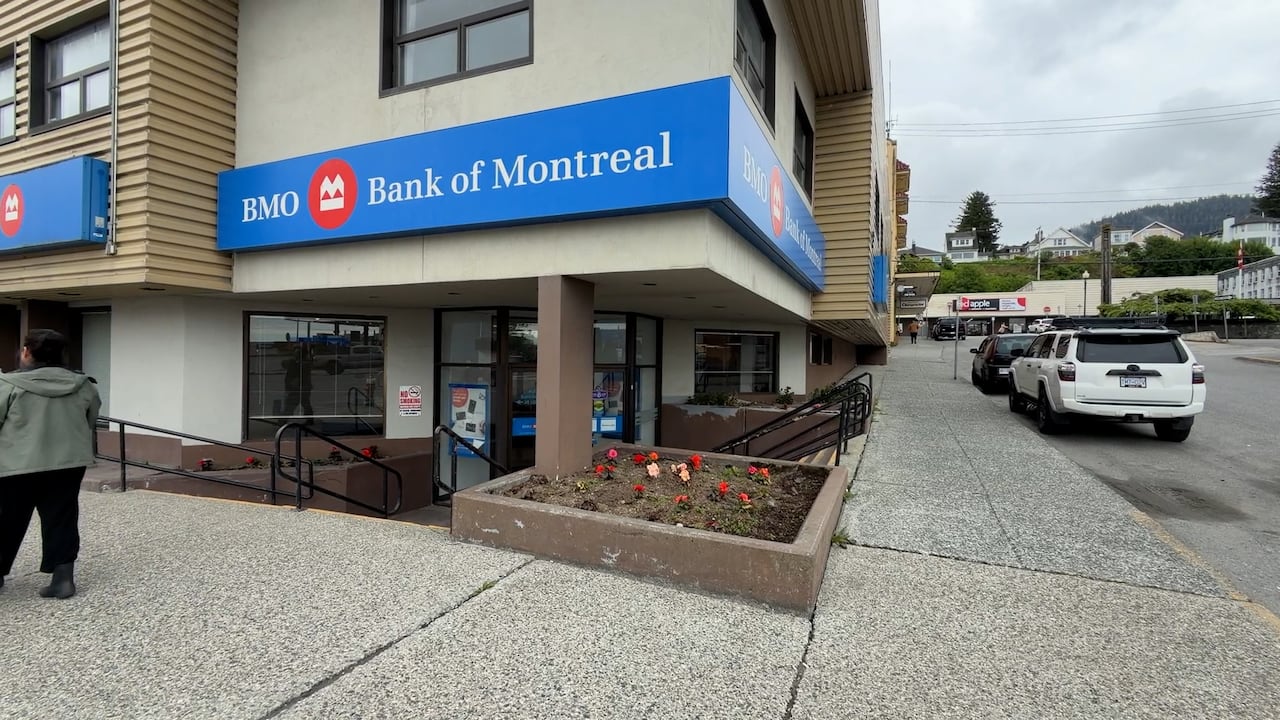
The Bank of Montreal closed its Prince Rupert branch on June 19, forcing customers to drive 90 minutes to Terrace or switch to online banking, highlighting a growing infrastructure gap in BC's resource communities that poses specific risks for Lower Mainland investors eyeing northern properties.
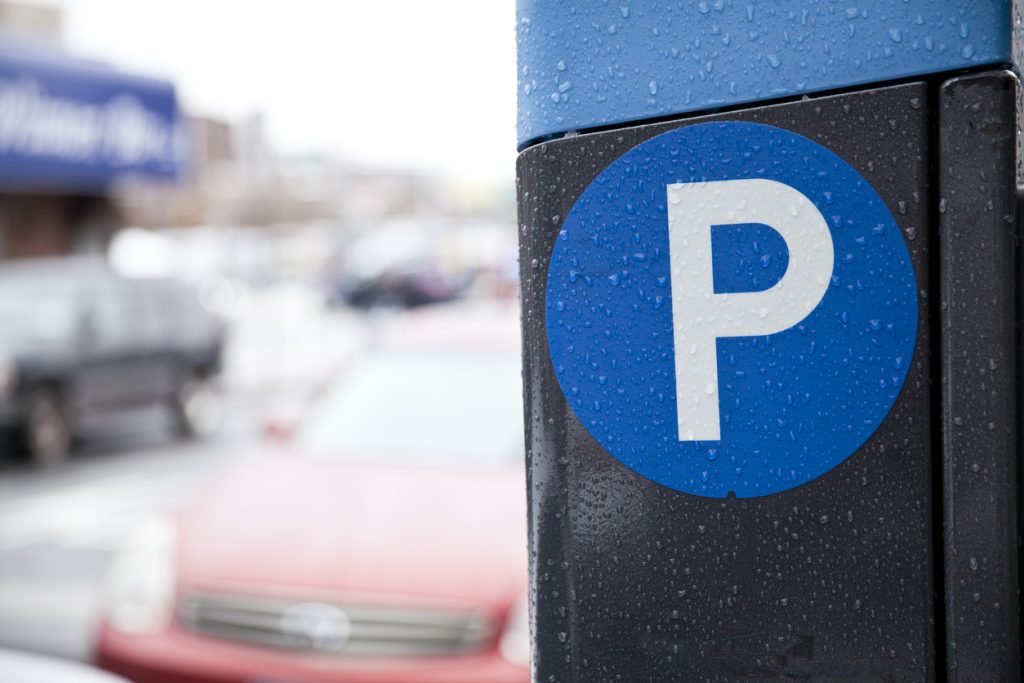
The City of Vancouver has warned that fraudsters are placing fake QR codes on parking meters and sending phony fine notices by text, creating new daily risks for drivers who depend on street parking. For buyers, renters, and investors evaluating properties without dedicated stalls, the scam adds a fresh layer of friction to the true cost of living in dense Vancouver neighbourhoods.
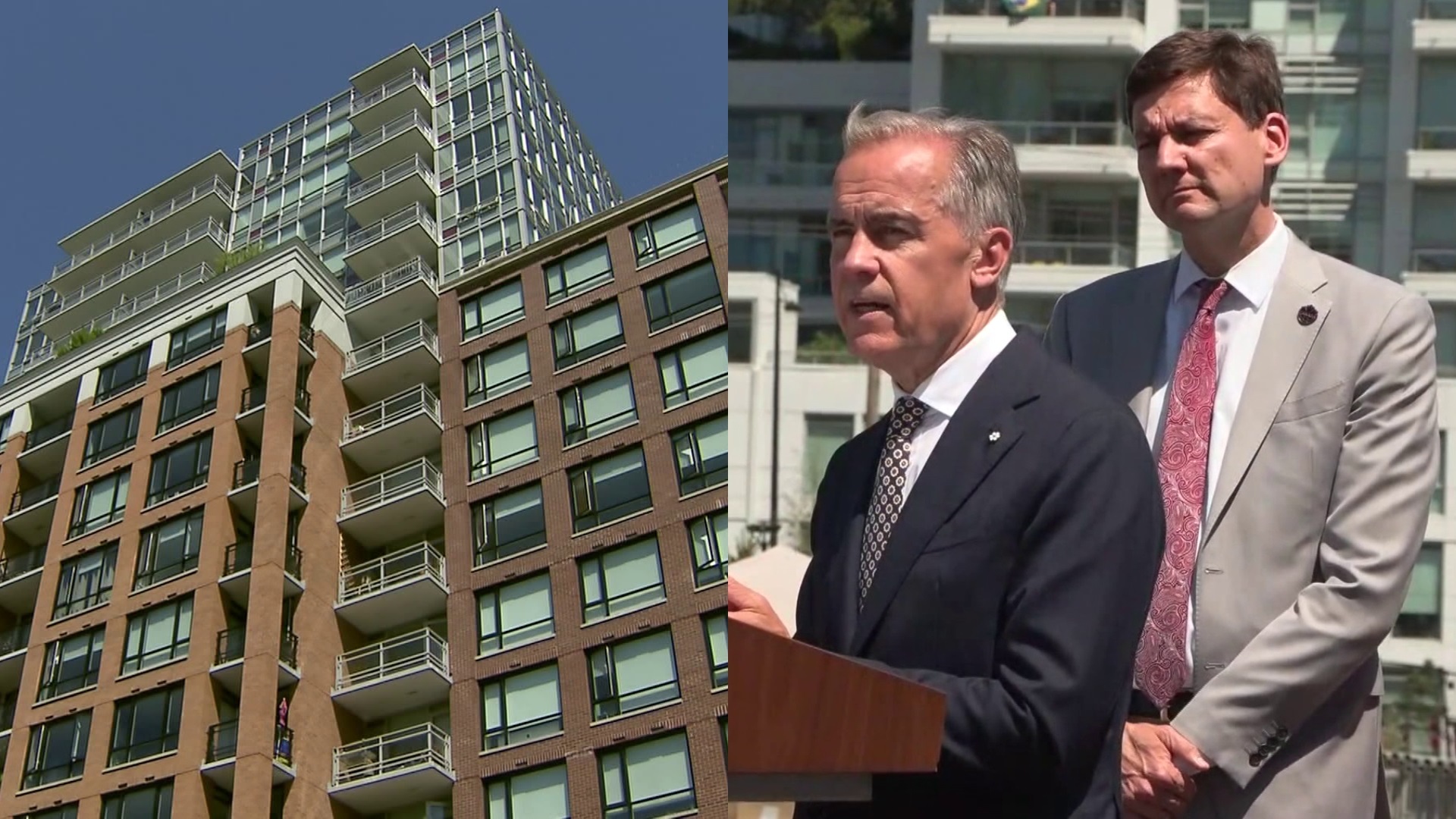
On June 18, Prime Minister Carney and Premier Eby announced a decade-long $5 billion partnership that cuts multi-unit development charges by up to 50%, converts 2,200 vacant condos to affordable housing, and locks in $2.5 billion for the Surrey-Langley SkyTrain extension—directly affecting pre-sale pricing, rental supply timelines, and transit-oriented land values across Metro Vancouver.
BC Hydro is exploring two massive new hydroelectric projects—Site E on the Peace River and a multi-dam complex on the Homathko River—to meet electricity demand forecasted to jump 50% by 2050. For real estate investors and developers, the proposals signal where industrial growth and transmission infrastructure may concentrate over the next two decades, while highlighting the urgency of electrification costs for new housing.
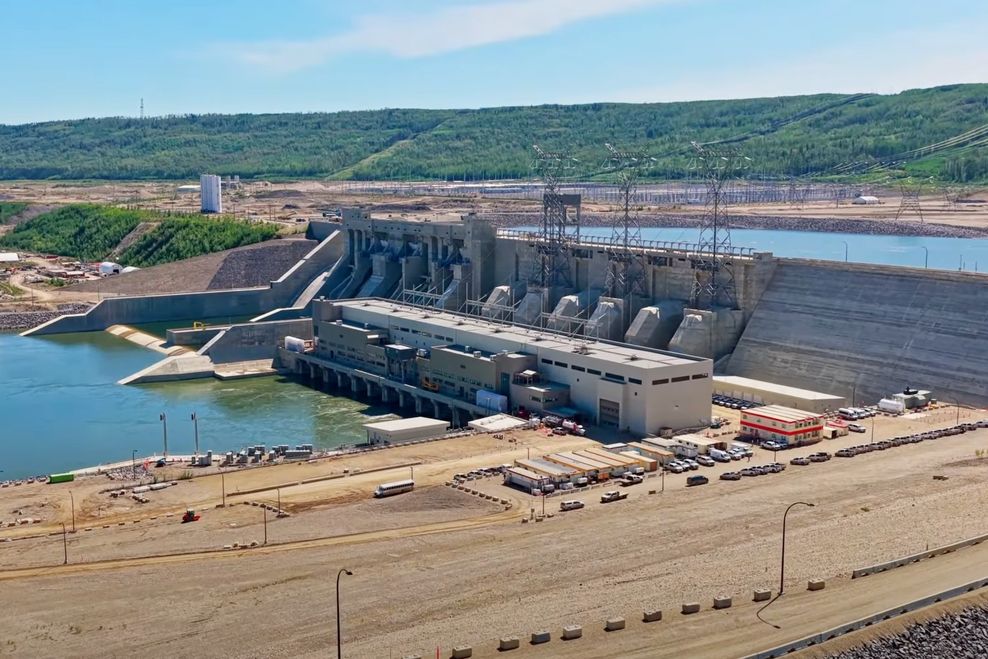
A new NerdWallet Canada survey finds over one-third of non-homeowners want to purchase a home within the next year but expect to remain renters or live with relatives instead, viewing housing as overpriced and unfair to first-time buyers. For Greater Vancouver, this signals a large pool of sidelined demand that cannot easily convert into sales, reshaping the dynamics for sellers, landlords, and move-up buyers.

Starting next month, FortisBC residential gas bills will rise by approximately $1.57 per month for typical usage, after the BC Utilities Commission approved a hike tied to higher renewable natural gas content. For Greater Vancouver homeowners, landlords, and buyers, the increase is small but locked in until October, making it a useful prompt to review total carrying costs and heating efficiency before the next rate review.
Seasonal sales upticks in May are masking a deeper behavioral shift as buyers return for second showings and sellers abandon 2022 pricing fantasies, though the bounce comes from historically depressed activity levels.

The BC government terminated its contract with Cross Fraser Partnership for the George Massey Tunnel replacement after failing to agree on final construction costs, switching to a multi-contractor bid model while keeping the 2027 construction target.
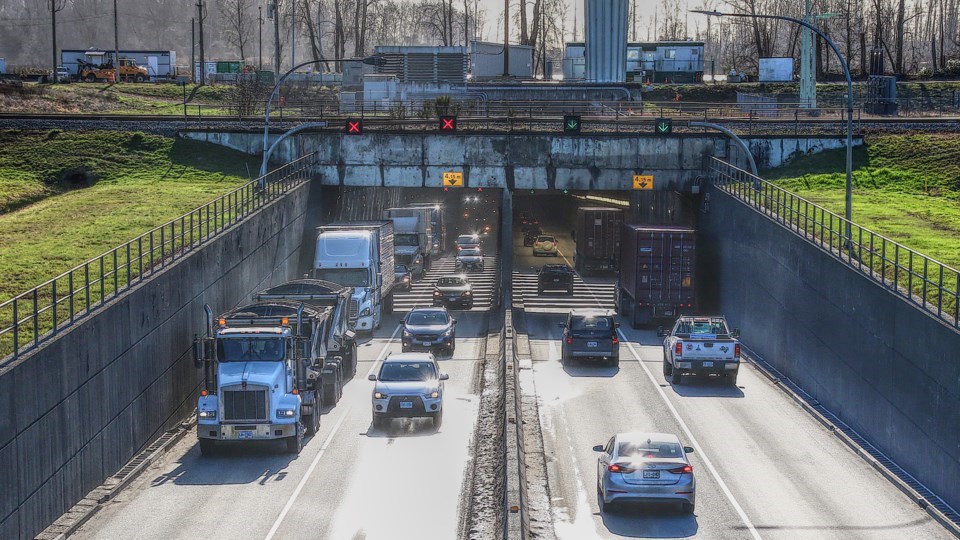
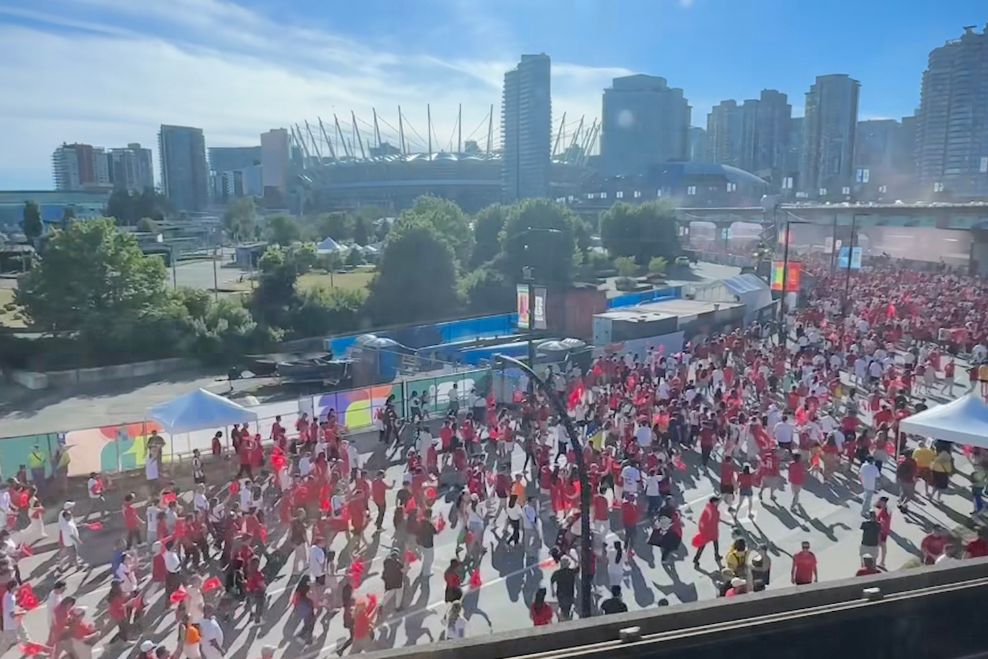
TransLink recorded 1.03 million boardings during Vancouver's first FIFA World Cup match on June 13, marking the busiest Saturday for BC Place events since the 2010 Olympics and validating the infrastructure capacity that underpins transit-oriented real estate values across the Expo and Millennium lines.
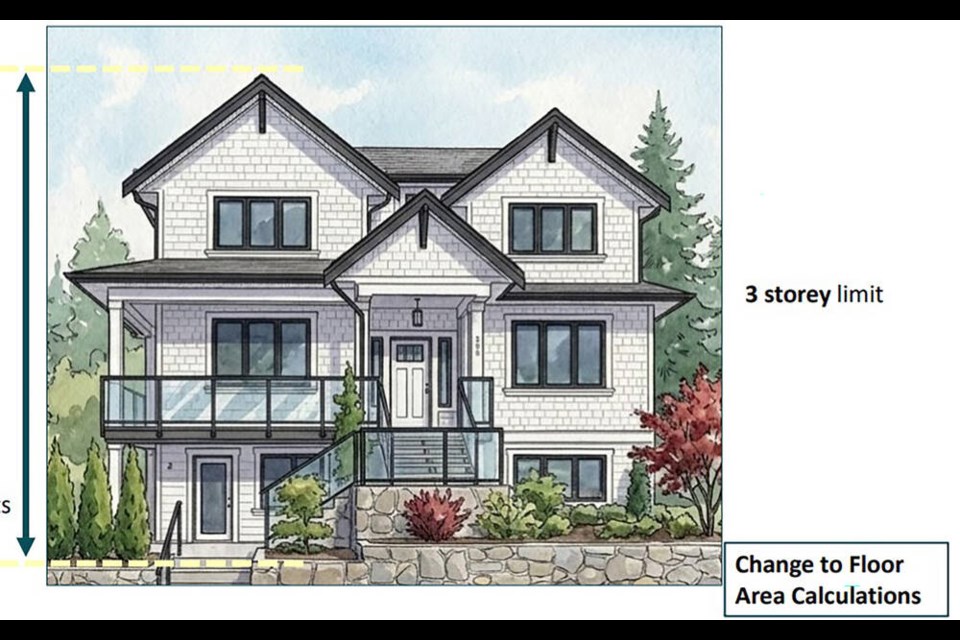
The District of North Vancouver council voted unanimously on June 1 to advance zoning changes that would remove floor-space exemptions for basements and garages while allowing homes to reach three storeys. The move aims to reduce environmental impact and improve rental suite quality, affecting approximately 20,000 properties and potentially altering construction economics for buyers and developers.
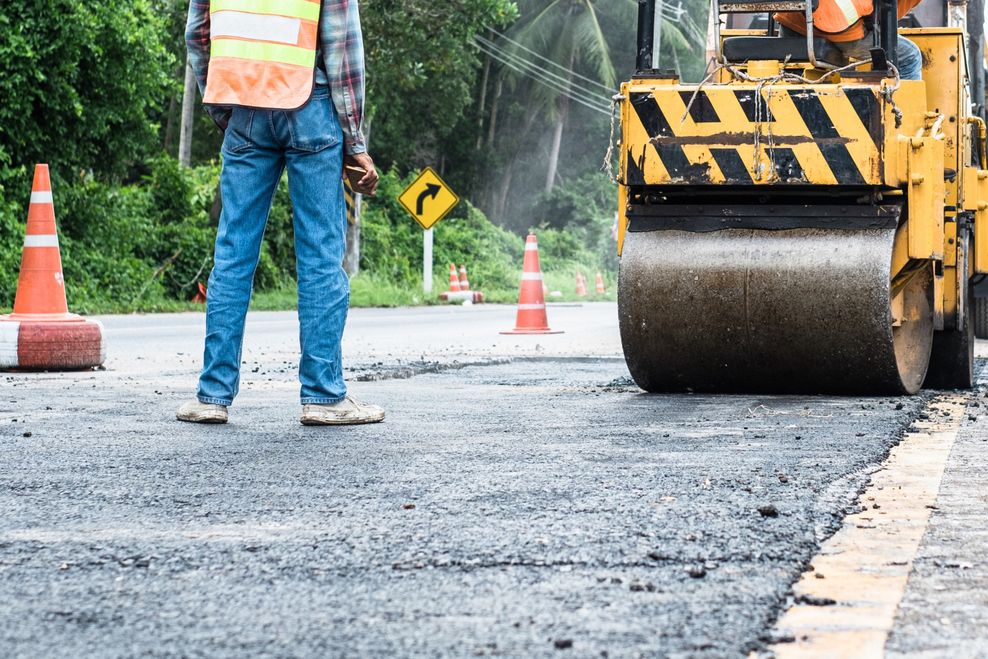
BC has announced a $102.5 million investment to resurface over 200 km of highways this summer, with $46 million earmarked for Lower Mainland sections including Highway 1 in Abbotsford, Hope and the North Shore, and $56.5 million for Vancouver Island routes near Nanaimo and Campbell River. For local homeowners, buyers and landlords in these corridors, the work means immediate traffic delays and reduced speeds, but also improved long-term connectivity that should be weighed against short-term carrying costs and tenant retention risks.
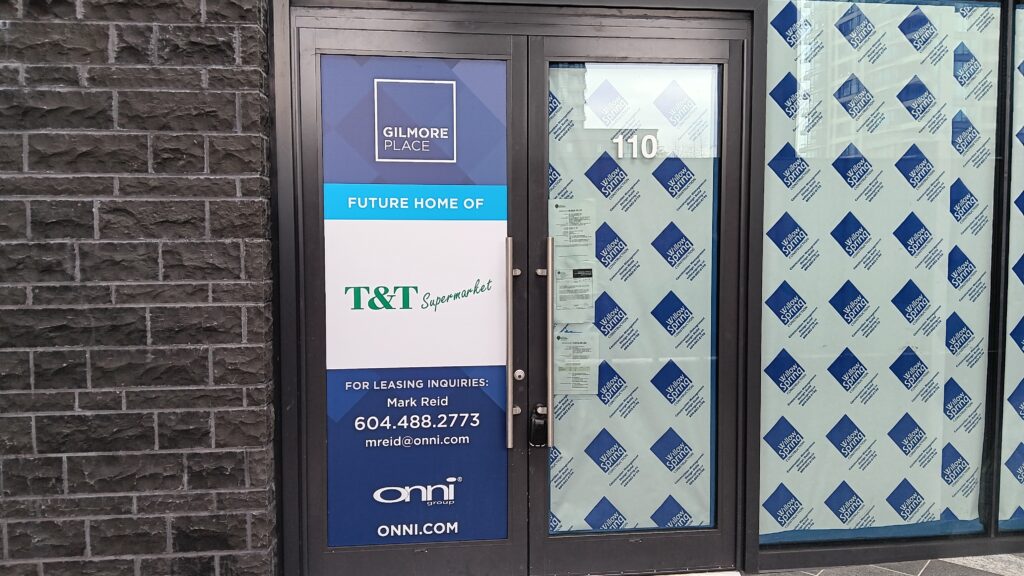
After more than two years of 'permit hell,' construction has finally begun on the second Burnaby T&T Supermarket at Gilmore Place, revealing the often underestimated gap between residential occupancy and retail activation in major mixed-use developments.