News
Published brokerage updates and market posts.
News
Published brokerage updates and market posts.
Greater Vancouver's September 2026 MLS data reveals a stark market split: apartment sales plunged 18.6% year-over-year while detached and attached homes saw slight gains, with the composite benchmark price down 5.5% annually to $1,075,900 as investor demand stays on the sidelines.

Vancouver's downtown office vacancy has edged down to 9.5% as tenants expand and demand concentrates in top-tier Class A and AAA space, while major projects like 1166 West Pender shift to hotel and residential uses. For local real estate readers, this signals a turning point in employer confidence that could reshape downtown neighbourhood demand—but the recovery is uneven, and the conversion of older office stock is changing who lives and works near core assets.

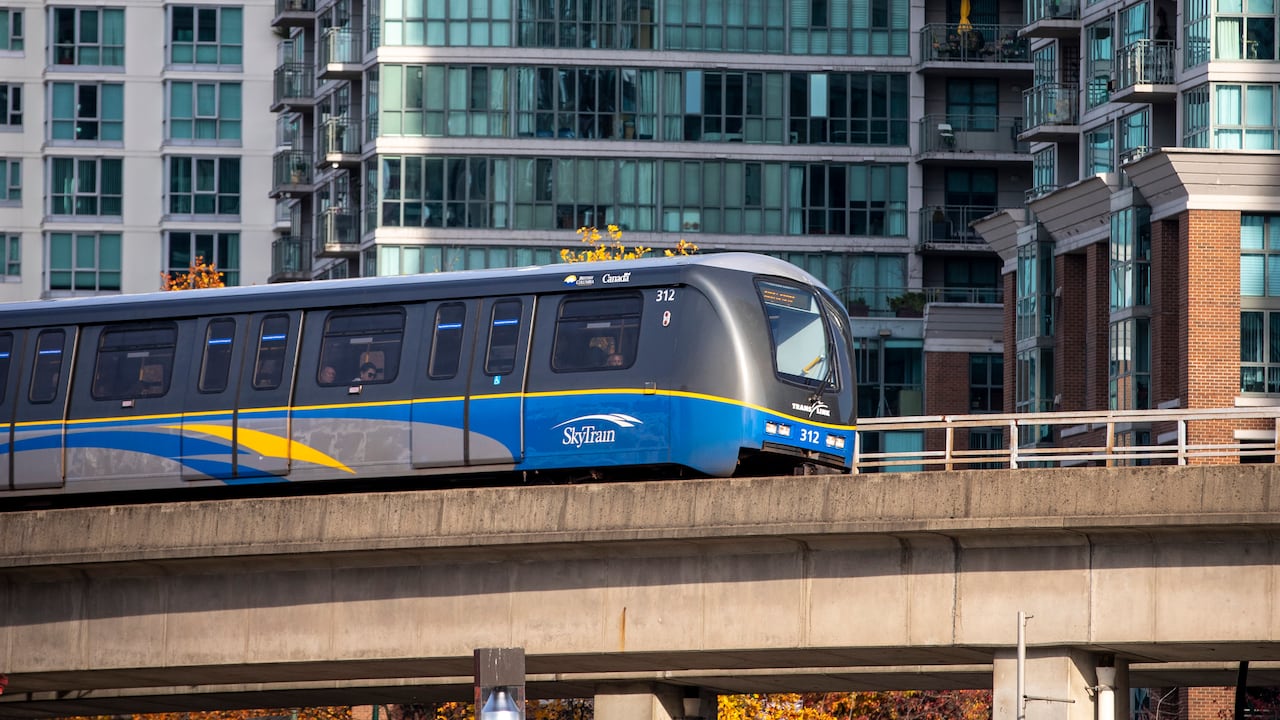
Technical Safety B.C. reported 122 train-human contact incidents on Vancouver's Expo and Millennium SkyTrain lines between 2016 and 2025, with the incident rate doubling from 2023 to 2025 compared to pre-pandemic levels. For real estate buyers, sellers, and investors near these lines, the report revives the debate over platform screen doors and signals potential retrofit disruptions—or future safety premiums—as TransLink revisits technology it previously rejected.
With three weeks until Vancouver's municipal election, major mayoral candidates have released competing housing and fiscal platforms that could reshape development timelines, carrying costs, and land-use policy. From ABC's property tax freeze and parking fee elimination to the Vancouver Liberals' plan to replace the city building code and merge 12 approval departments, these promises present distinct risk and opportunity profiles for buyers, sellers, and investors.
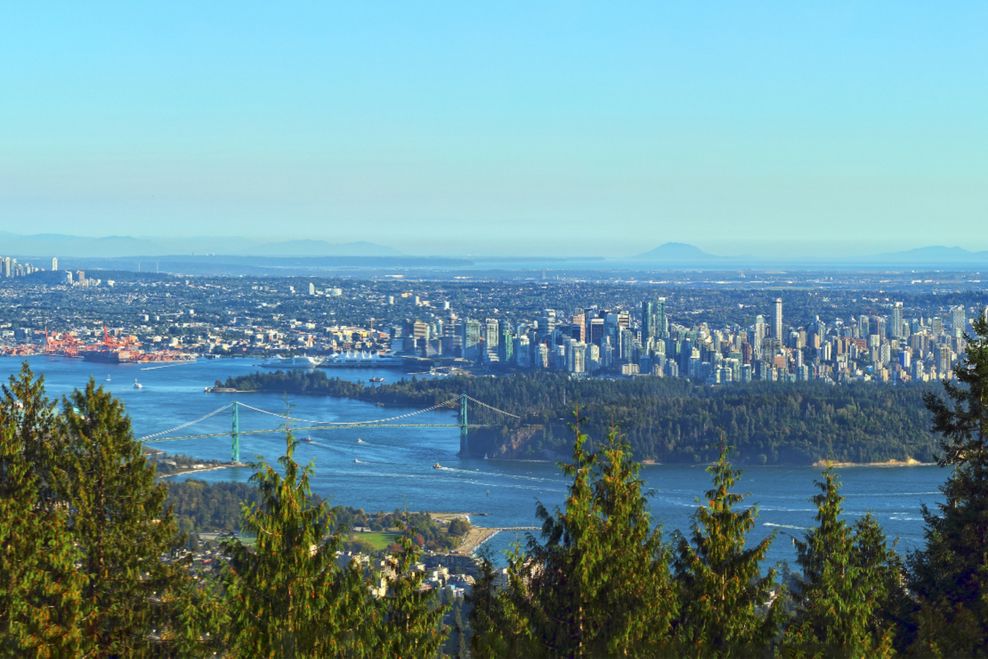
Maple Ridge has launched a one-year pilot program that expedites development permits for eligible triplex and fourplex projects by an estimated six to eight months, targeting select west Maple Ridge neighbourhoods zoned Urban Residential under the city's Official Community Plan.

August MLS® sales in Metro Vancouver fell 4.6% year-over-year to 1,869 transactions, 20.7% below the 10-year average, as the composite benchmark price dropped 5.6% to $1.08 million. GVR's chief economist cites immigration slowdown, reduced investor demand, and mortgage rates that remain too high to spark buying activity.

Liv.rent's September 2026 Metro Vancouver report shows Vancouver was the only regional city to post a year-over-year rent increase for unfurnished one-bedrooms, rising 3.32% to $2,328, while Richmond plunged 12.19% and the regional average fell 3.95%. For local buyers and investors, the divergence signals a two-speed market where Vancouver proper is holding tenant demand pressure even as surrounding cities soften.
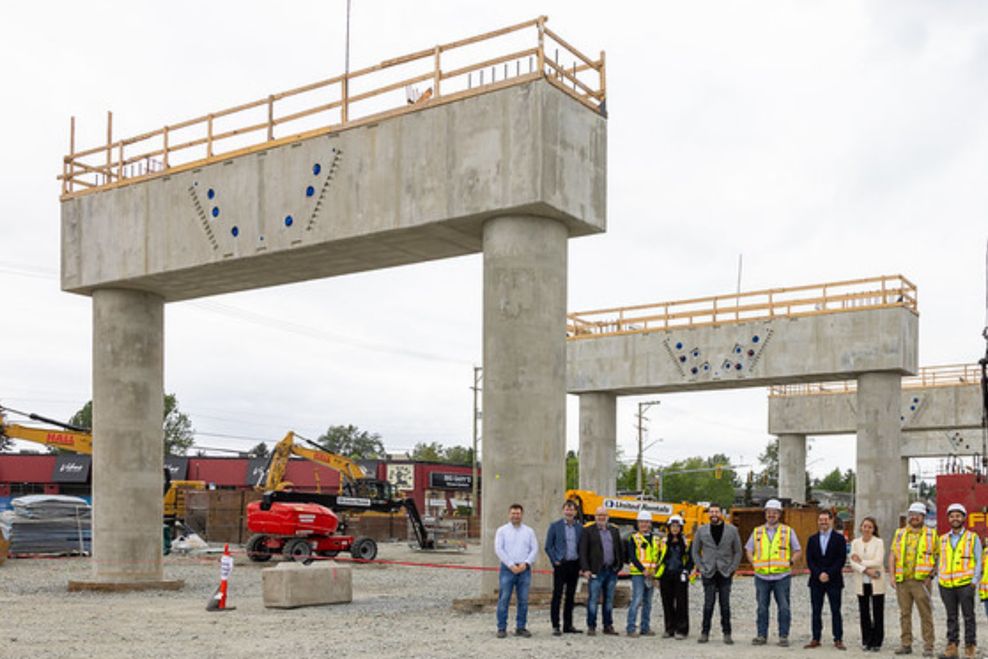
The B.C. government has officially named the Surrey-Langley SkyTrain extension after former premier Dave Barrett, with the 16-kilometre line set to open in 2029 and cut travel time from Langley City Centre to King George Station to just over 20 minutes. For real estate buyers and investors, this naming milestone signals that the project remains on track, but the four-year construction window still carries risks around completion timing, station-area development phasing, and whether current asking prices already bake in future transit premiums.
As Toronto rental listings jumped six per cent year-over-year and one staging firm reports rental projects now make up over half of its business, Canadian landlords are discovering that empty units bleed cash faster than furnished ones. For Greater Vancouver investors and property owners, the shift signals that tenant expectations are rising—and vacancy aesthetics now directly affect carrying costs.

BC landlords planning a 2027 rent increase face a tight compliance window: the province has capped annual residential rent hikes at 2.2% effective January 1, 2027, but the real risk is procedural—missing the RTB-7 filing window or using an unapproved delivery method can push your effective increase date back by months. For Greater Vancouver property owners already squeezed by carrying costs, understanding the 12-month interval rule, the three-full-month notice period, and deemed service timelines is now a financial necessity, not just paperwork.
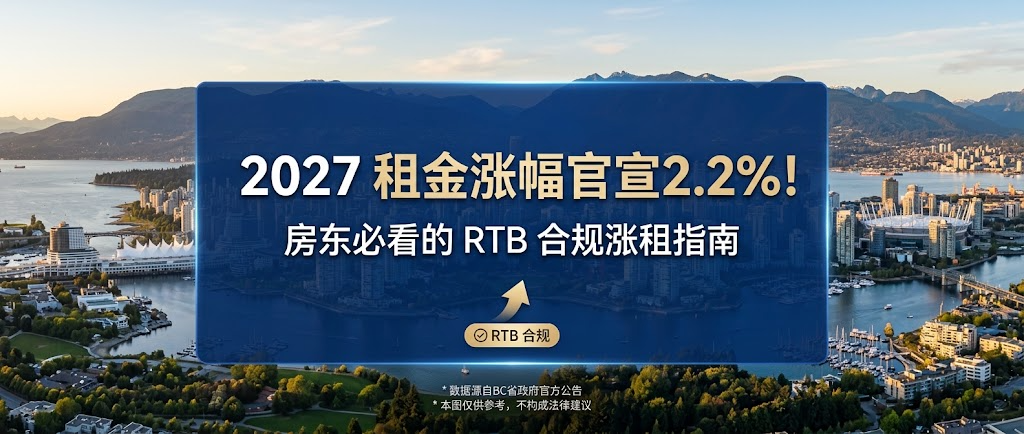
BC has set the 2027 maximum rent increase at 2.2%, capping it at or below inflation for the seventh straight year and pushing Greater Vancouver investors to rethink cash-flow assumptions as average asking rents fall in suburbs like Richmond and Coquitlam. For local landlords and prospective buyers, the announcement means rental income growth will remain tightly constrained, making conservative underwriting and sharp pencil work on operating costs essential before acquiring or converting rental property.
CMHC’s Fall 2026 Housing Supply Report estimates Canada needs 417,000 to 469,000 annual housing starts through 2036 to return to pre-pandemic affordability, yet current projections sit near 231,000 with construction increasingly shifting toward rentals and away from ownership housing. For Greater Vancouver buyers and investors, this signals a long-term structural shortage in the for-sale segment that could tighten conditions well before the next demand cycle accelerates.