News
Published brokerage updates and market posts.
News
Published brokerage updates and market posts.
A B.C. legislative committee has recommended repealing the planned October 1 PST expansion to professional services including commercial real estate, accounting, and engineering—just six weeks before the tax was set to take effect, creating last-minute uncertainty for development costs and transaction planning.
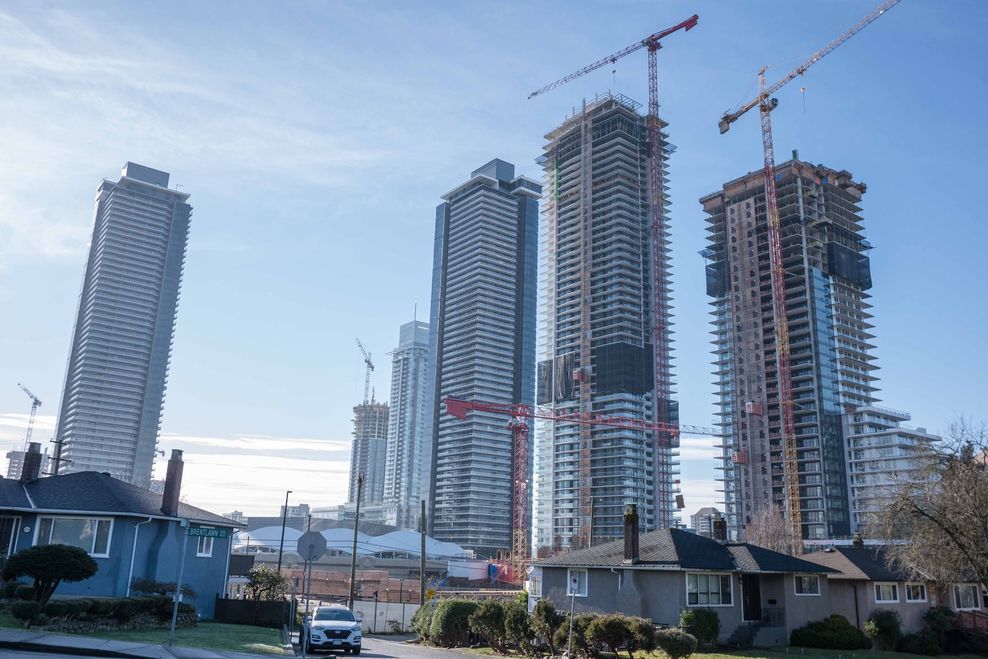
Greater Vancouver home sales fell 9.8% year-over-year in July, reversing June's gains and pushing activity 18.6% below the 10-year seasonal average, while benchmark prices slipped 0.9% month-over-month to $1,088,800.
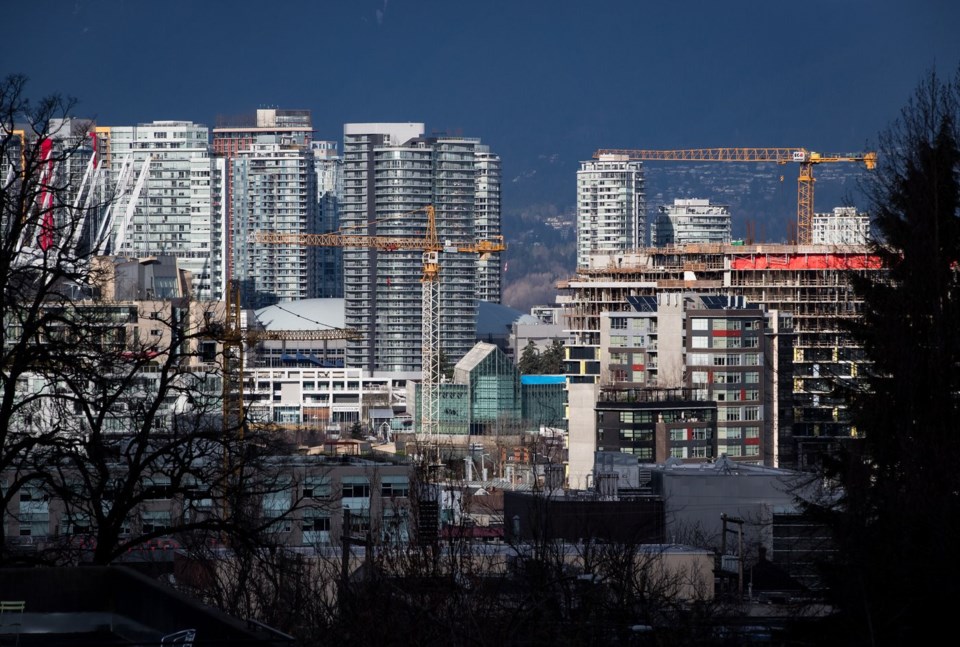
The supplied URL leads to the Google Gemini AI assistant product page, which contains no Greater Vancouver real estate market data, housing policy updates, development projects, or property transaction information required to generate the requested bilingual real estate article.
Greater Vancouver home sales fell 9.8% year-over-year in July 2026, reversing June's brief momentum gain, with apartment sales plunging 17.8% and prices slipping across all property types as inventory remains elevated above historical norms.

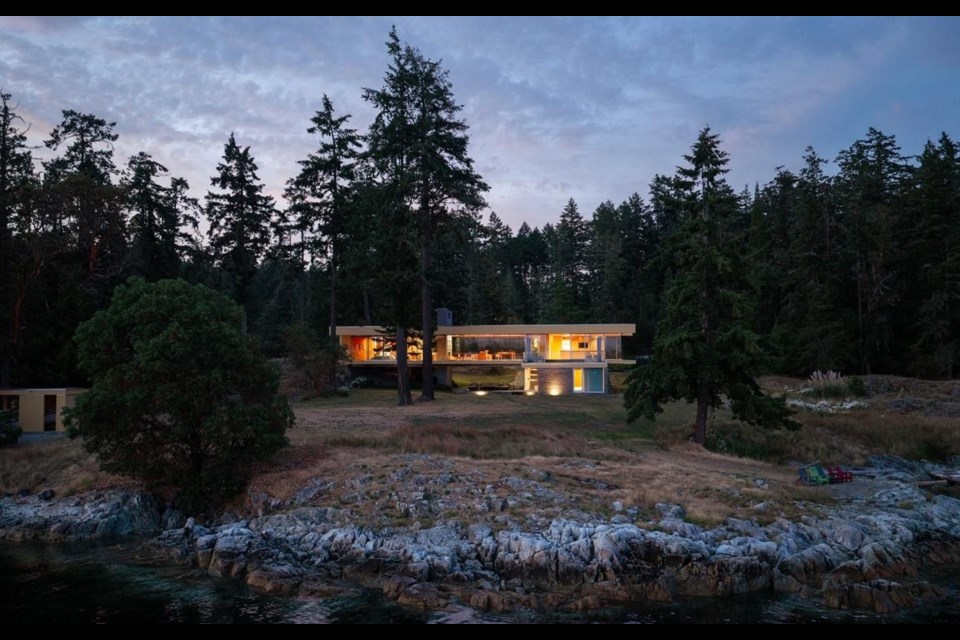
An Arthur Erickson-inspired 'modern log cabin' on Salt Spring Island's Beaver Point has hit the market for $8.5 million, featuring private marine infrastructure and architectural pedigree that distinguishes it from typical Gulf Island luxury listings. The sale highlights how ultra-luxury island properties now trade on irreplaceable built assets and design lineage rather than just land value.
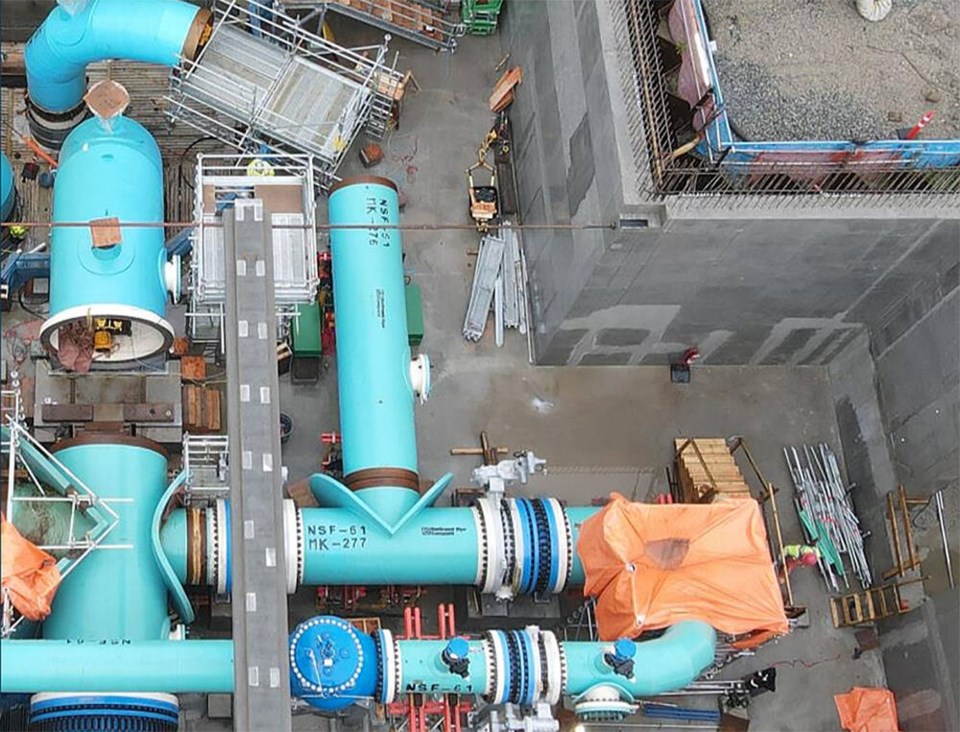
Metro Vancouver has deferred the design and construction of the Lulu Delta Water Supply Tunnel by approximately eight years to around 2040, citing financial sustainability reasons. The delay means the existing 1963 watermain serving Delta and Tsawwassen First Nation will remain in service for at least another decade, raising long-term infrastructure resilience questions for property owners in these communities.
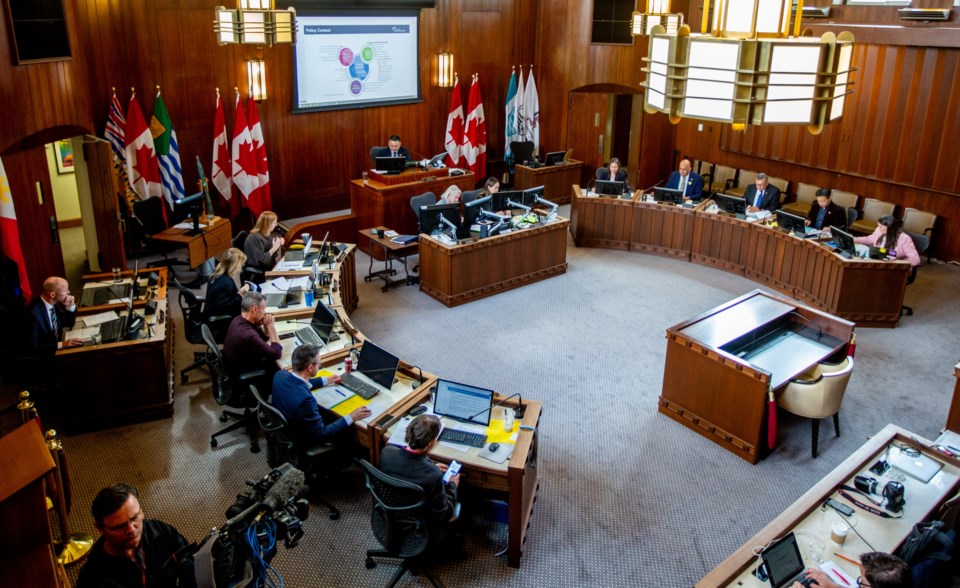
Vancouver City Council voted 10-1 to scrap a sweeping plan that would have rezoned 17 neighbourhoods for multiplexes and townhouses, halting the ABC majority's push for pre-zoned housing growth. While the villages plan is dead, council simultaneously approved an amendment allowing single-egress stairs in R3 zones, unlocking development potential for narrow lots in areas like the Broadway and Cambie corridors.
A B.C. Civil Resolution Tribunal decision drastically reduced an $89,000 strata fine against a Burnaby condo owner for unauthorized short-term rentals, revealing critical compliance gaps that every strata property investor in Greater Vancouver needs to understand.
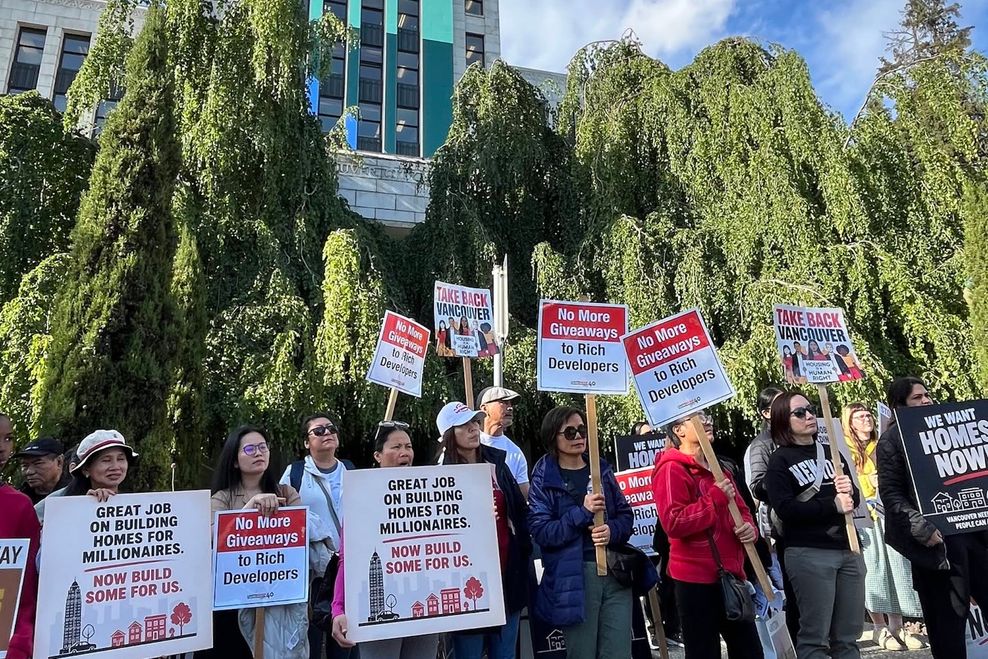
Vancouver Mayor Ken Sim is urging the B.C. government to amend the Vancouver Charter to restrict public hearing participation to Canadian residents, after organized callers from California and suspected union filibuster tactics prolonged recent housing and development hearings—including the contentious Villages Plan and major hotel rezonings—raising concerns about foreign interference and procedural gridlock that could slow new supply.
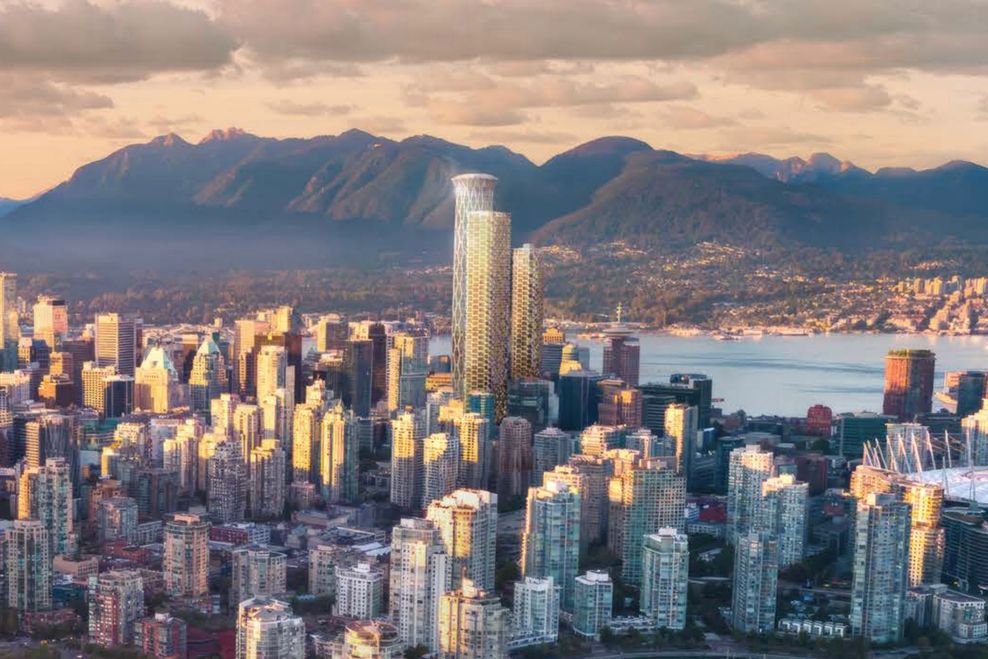
Vancouver City Council approved Holborn Group's 1,034-foot supertall hotel tower and two residential towers at 501-595 West Georgia Street, marking the first technical "supertall" building west of Toronto and reshaping Downtown Vancouver's skyline and development pipeline.
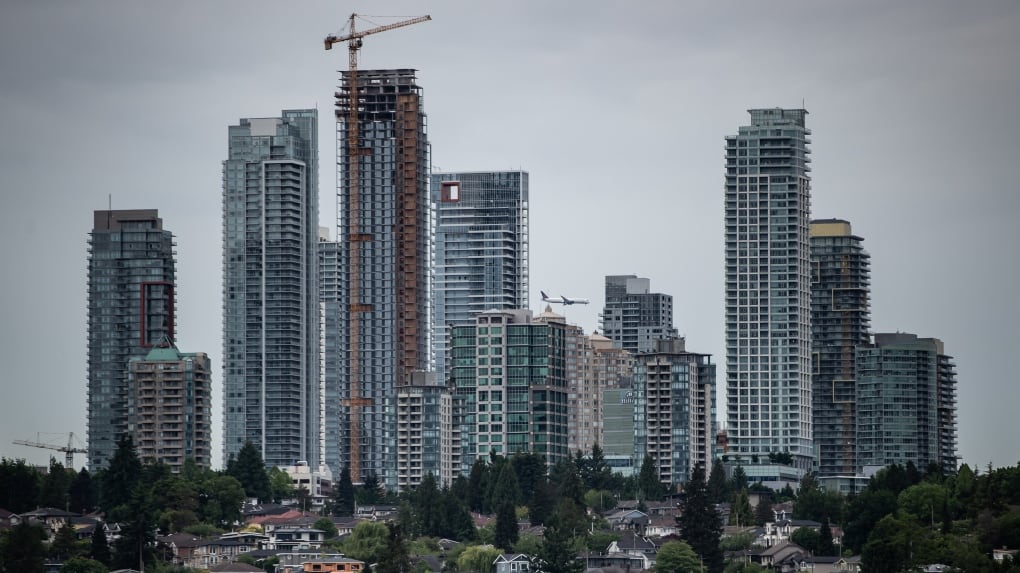
Nearly 24,000 rental units are set to deliver across Greater Vancouver over the next two years, creating a tenant-friendly market that is pressuring rents and pushing vacancy rates higher. For real estate investors and landlords, this supply surge marks a sharp shift from the pandemic-era seller’s market to conditions that favor buyers—but with significant risk differences between newly completed buildings and older legacy assets.
Lower Mainland commercial real estate dollar volume fell 15.3 per cent year-over-year in Q1 2026, yet multifamily transaction counts climbed 33 per cent, creating a split market where asset-class selection matters more than broad timing.