News
Published brokerage updates and market posts.
News
Published brokerage updates and market posts.
Metro Vancouver has downgraded from temporary Stage 3 to Stage 2 water restrictions after reopening a critical North Shore reservoir pipe, but ongoing drought conditions and low snowpack mean property owners, buyers, and landlords still face limits on pools, lawns, and outdoor water use this summer.

A Zoocasa analysis projects New Westminster townhouses will reach $2 million by 2031, outpacing Vancouver's 2042 timeline, as lower entry prices in suburban markets drive faster compound growth than already-expensive urban cores.

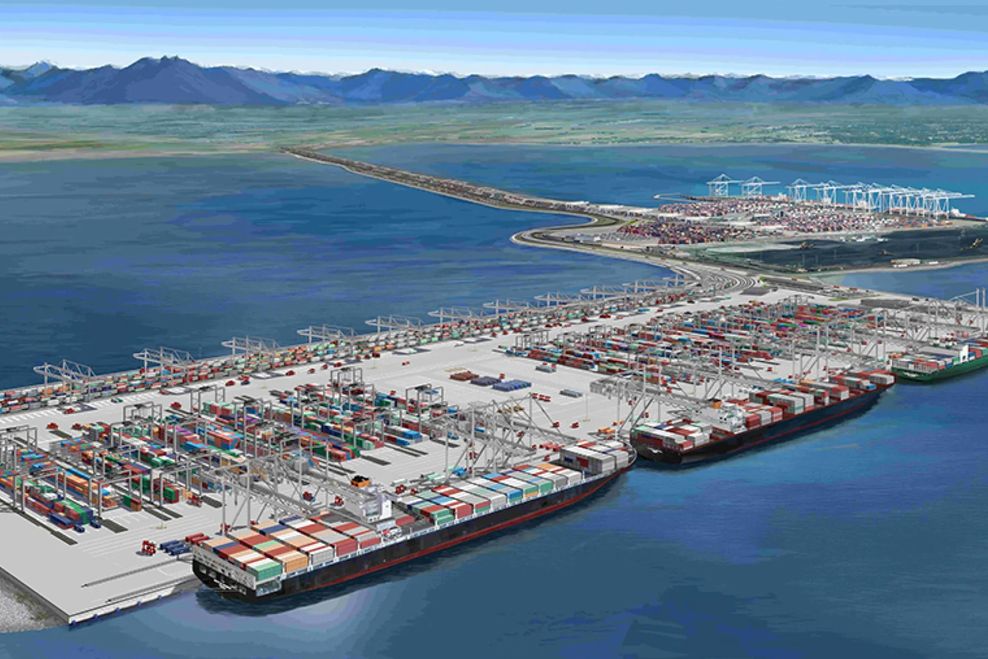
Vancouver Fraser Port Authority selected TerraMarine to build the $3.5B+ Roberts Bank Terminal 2, creating 320 acres of industrial land and 35,000+ jobs. For Delta and Tsawwassen property owners, this locks in a decade-long construction wave and permanent logistics employment base starting mid-2030s.
The Bank of Canada held its key interest rate at 2.25% on July 15, 2026, with economists predicting no cuts until mid-2027 at the earliest. For Greater Vancouver buyers and homeowners facing renewals, this removes any hope of immediate payment relief while offering a stable, if expensive, borrowing window through late 2026.
Greater Vancouver home sales are ticking up after months of decline, with Royal LePage reporting a 4.5% year-over-year price drop to $1.164 million, yet sellers who refuse to price aggressively against falling values are seeing their listings stagnate while well-priced properties attract multiple offers.
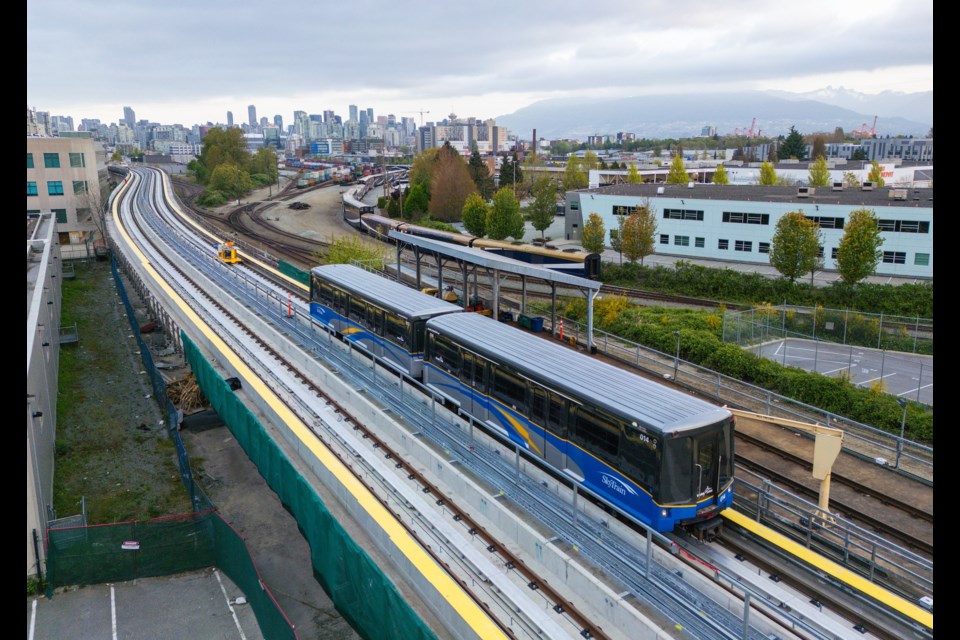
The $2.83-billion Broadway Subway has entered its rail-testing phase with train cars now running on completed track sections, confirming the late fall 2027 opening timeline. For Mount Pleasant, Fairview, and Kitsilano property owners, this shifts the project from future promise to near-term infrastructure reality, creating a specific window for transaction timing before the commuter floodgates open.
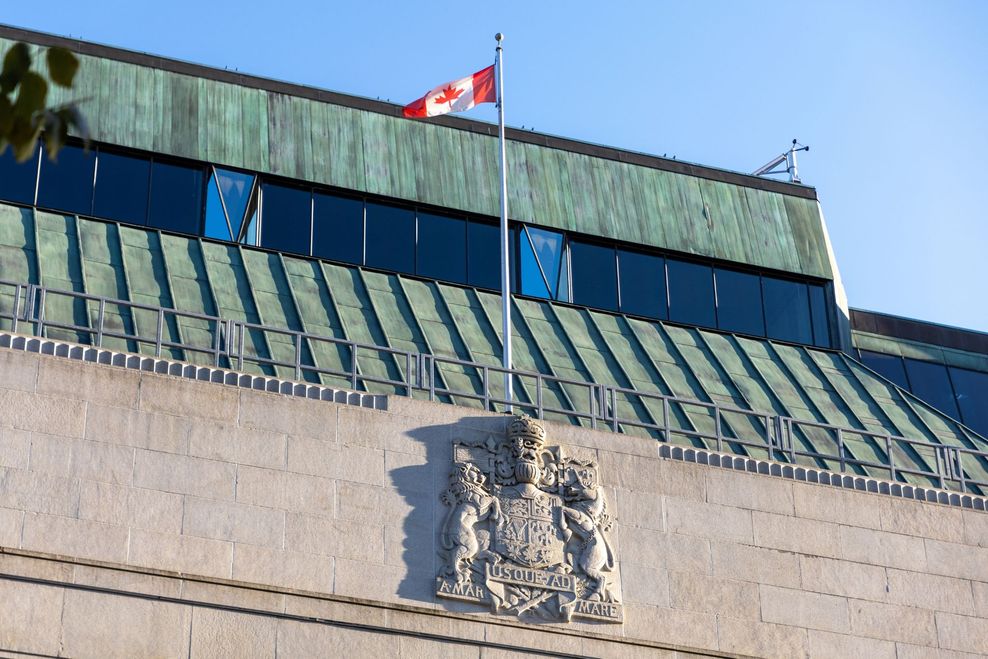
Vancouver city council is racing against the August break and October civic election to decide on a controversial 'villages' rezoning plan affecting 17 neighbourhoods, Western Canada's tallest condo tower proposal, and a $3.5-billion capital spending plan—decisions that could reshape development potential and infrastructure across the city before a potentially new council takes office.

Justice Barbara Young has dismissed Montrose Properties' application to reopen the landmark Cowichan Tribes Aboriginal title case, leaving the Richmond developer and major industrial landowners outside the litigation process and deepening title uncertainty for affected southeast Richmond properties ahead of the government-led appeal.
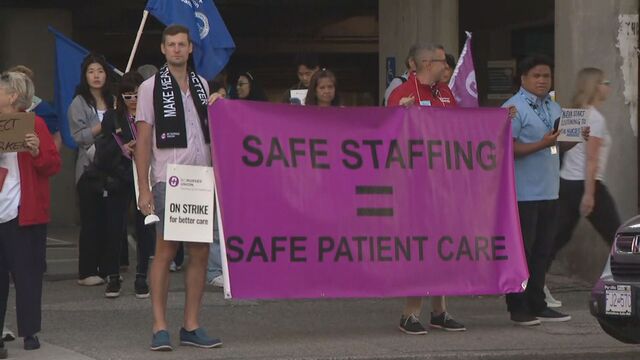
The BC nurses' strike that began July 2 has expanded from mainland hospitals to Vancouver Island, with picket lines now at Nanaimo Regional General Hospital and Victoria's Royal Jubilee. For real estate buyers and investors eyeing Vancouver Island's markets, the escalating healthcare disruption raises practical questions about livability, emergency access, and near-hospital rental demand that go beyond the immediate labor dispute.
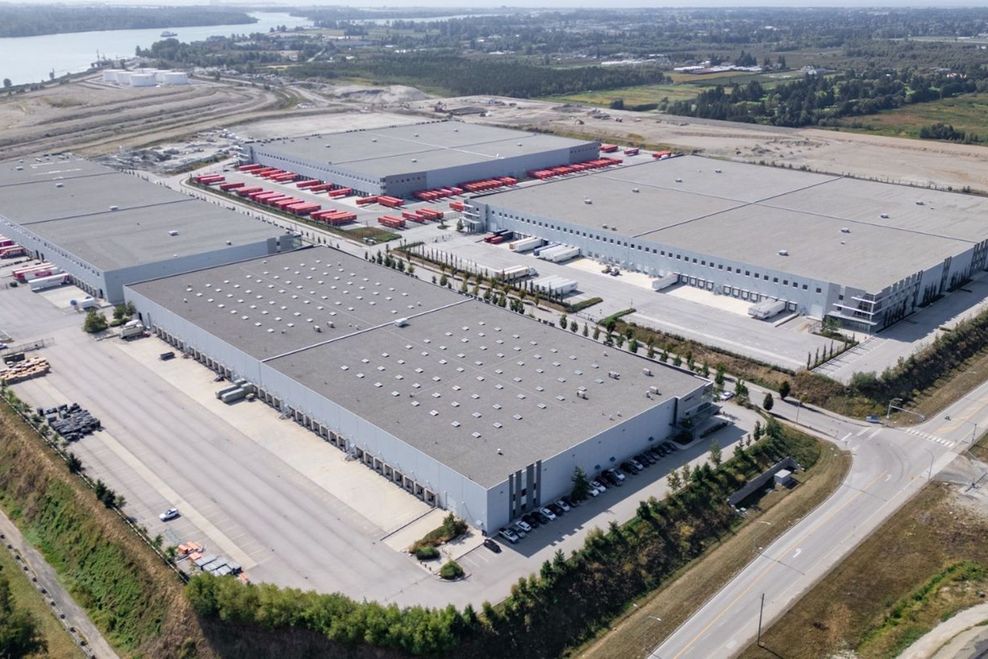
Beedie has broken ground on a 60-plus acre South Campbell Heights Business Park that will deliver over one million square feet of industrial space by 2028, anchored by an undisclosed 'prominent player in the automotive industry.' For South Surrey homeowners and investors, the project signals a significant employment injection into a port-adjacent municipality that has long faced industrial land shortages.
The Bank of Canada is expected to hold its key interest rate at 2.25% on July 15, 2026, as policymakers balance weak economic growth against sticky 2.8% inflation and Middle East supply shocks. For Greater Vancouver real estate, the anticipated "do no harm" decision means mortgage rates likely remain stable through summer, removing both the urgency to refinance and the trigger for a demand surge.
The City of Vancouver will introduce a standardized Amenity Cost Charge (ACC) on September 30, 2026, adding up to $10 per square foot for high-density residential developments while exempting small-scale rental projects and maintaining 20% DCL reductions, fundamentally changing how growth infrastructure gets funded and which housing types receive preferential treatment.