News
Published brokerage updates and market posts.
News
Published brokerage updates and market posts.
CMHC's Fall 2026 Housing Supply Report warns that while purpose-built rental construction is surging across Canada, ownership housing starts have collapsed to historic lows in Toronto and weakened in Vancouver, creating a long-term supply gap that could leave buyers with fewer options when demand returns.

The Cascades by Chard Development has opened applications for Qualified Homes in South Vancouver, offering studio to three-bedroom rentals at $1,960-$3,614 monthly for households earning up to four times annual rent, with income verification every five years and full amenity access—creating a new reference point for buyers caught between unaffordable ownership and market-rate rents.
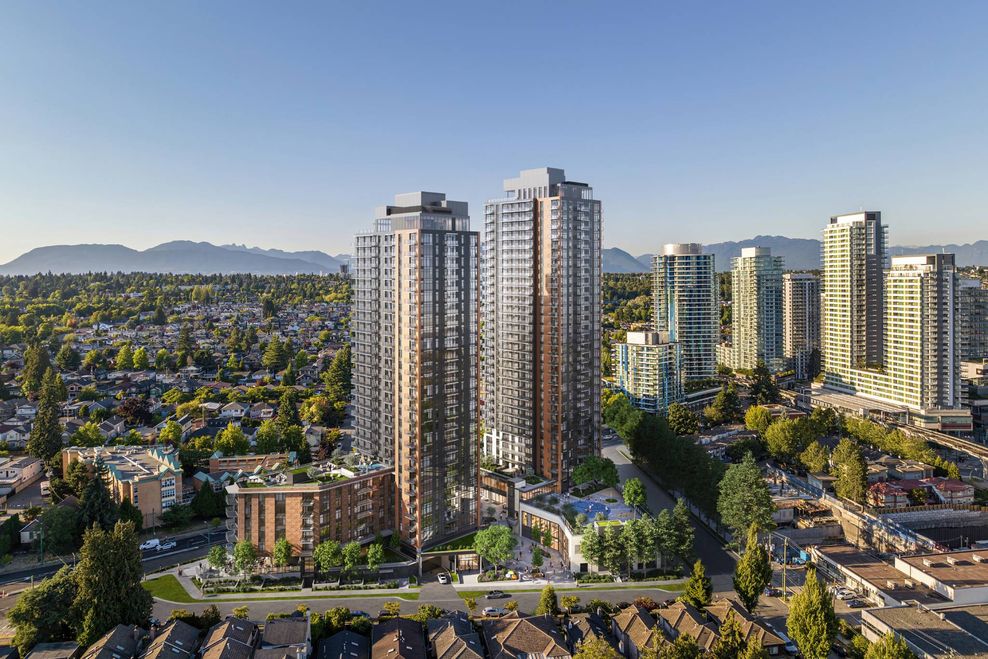
Greater Vancouver home sales fell 4.6% year-over-year in August 2026, with the composite benchmark price down 5.6% to $1,081,900. Despite softer prices and stable mortgage rates, immigration slowdown and reduced investor demand are keeping buyers on the sidelines.

B.C. Ferries cancelled roughly half of Tuesday's sailings between Nanaimo's Departure Bay and Vancouver's Horseshoe Bay due to mechanical failure on the Queen of Cowichan, with Wednesday service also at risk—raising fresh questions for anyone counting on consistent ferry access for island property values and commuter livability.
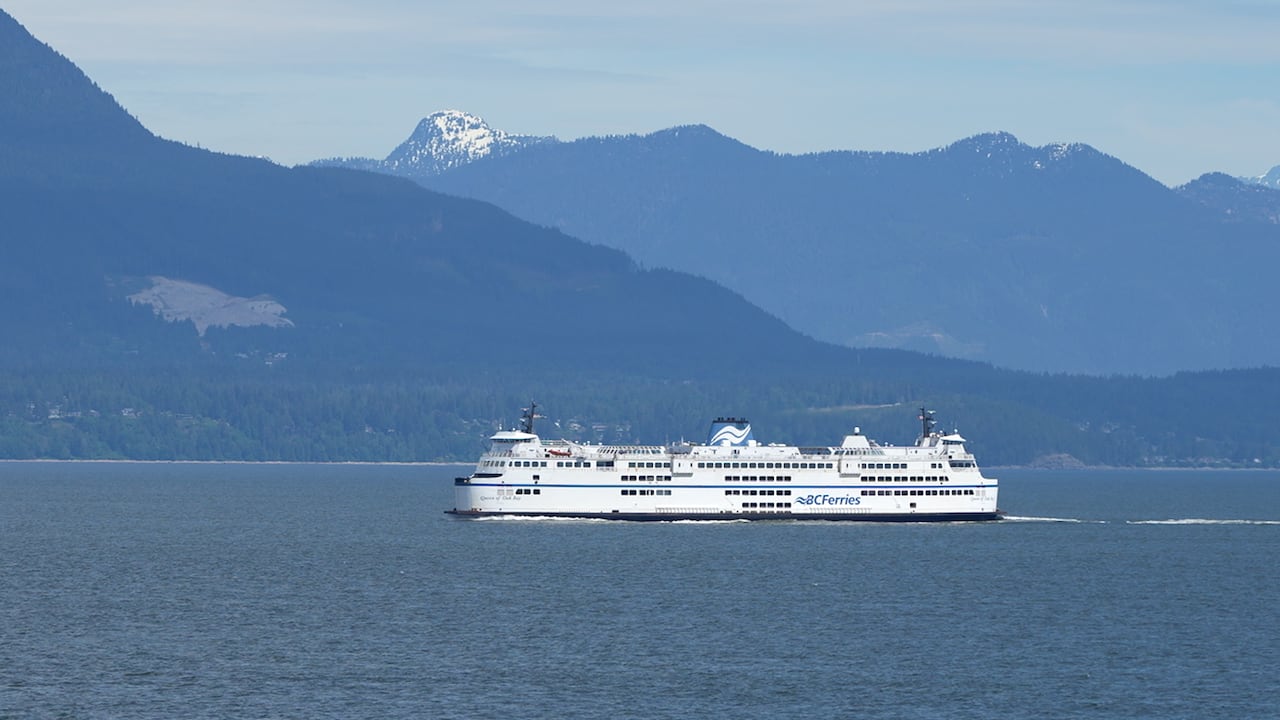
The Bank of Canada held its key interest rate at 2.25% for the seventh consecutive meeting on September 2, 2026, as Governor Tiff Macklem weighs surging inflation from the Iran war against threats from new U.S. tariffs. For Greater Vancouver buyers and sellers, the pause offers short-term mortgage stability but signals a complex road ahead with economists now debating whether the next move is a hike or a cut.
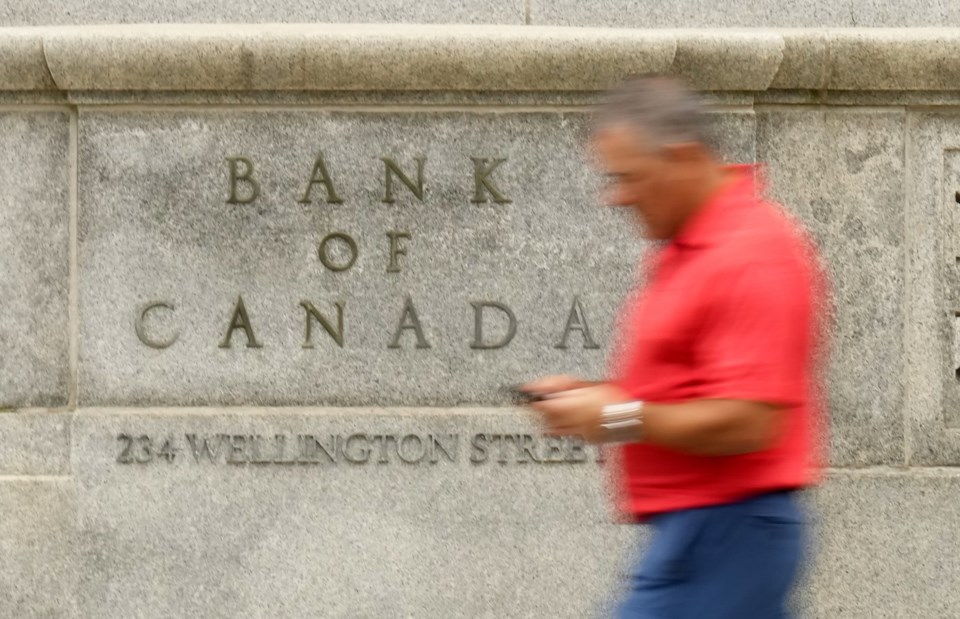
With the Bank of Canada widely expected to hold its key interest rate at 2.25% on September 2, Vancouver real estate watchers are being reminded that short-term trade war noise is unlikely to override months of resilient economic data—and that housing stabilization is already showing up in the numbers.
Greater Vancouver REALTORS® has made its largest-ever charitable contribution of $100,000 to the Canadian Red Cross for B.C. wildfire relief, signaling how professional associations view housing stability risks amid natural disasters. The donation, routed through the new Community Relief Fund, highlights the direct link between climate-related displacement and local real estate market resilience.

Canadian rents have fallen for 22 consecutive months, yet North Vancouver and Vancouver remain Canada's two most expensive rental markets at $3,039 and $2,686 respectively, creating a split reality for tenants and investors weighing cash flow against entry timing.
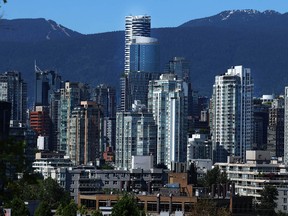
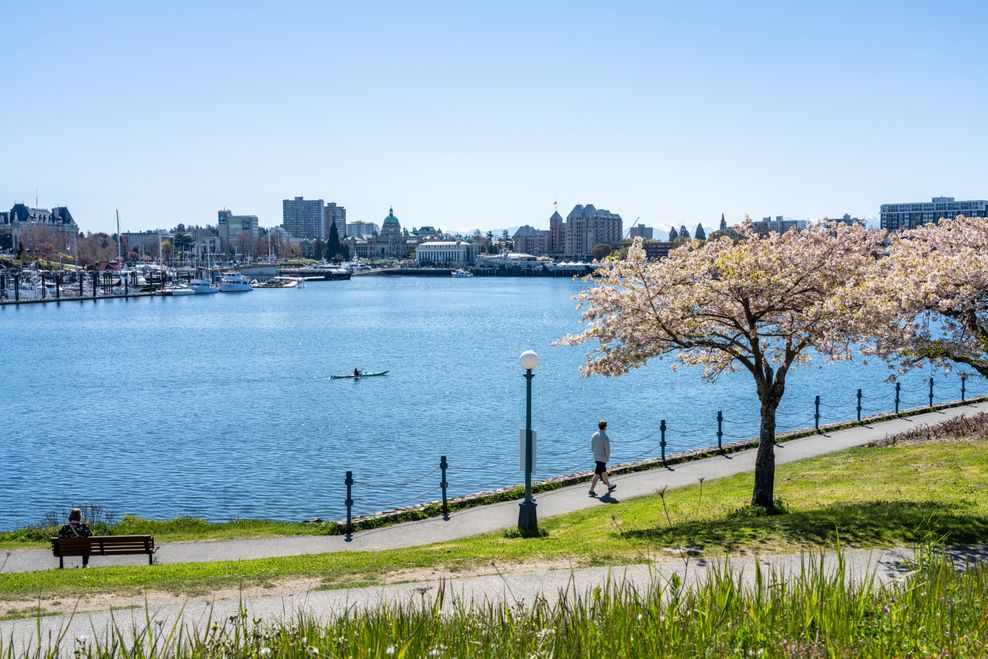
A new RentCafe.com report reveals Vancouver dropped to 13th place nationally in Q2 2026—the first time it has fallen outside the top 10—as search interest plummeted 60% while Victoria and Nanaimo surged into the top tier, signaling a fundamental shift in renter geography toward mid-sized Island markets.
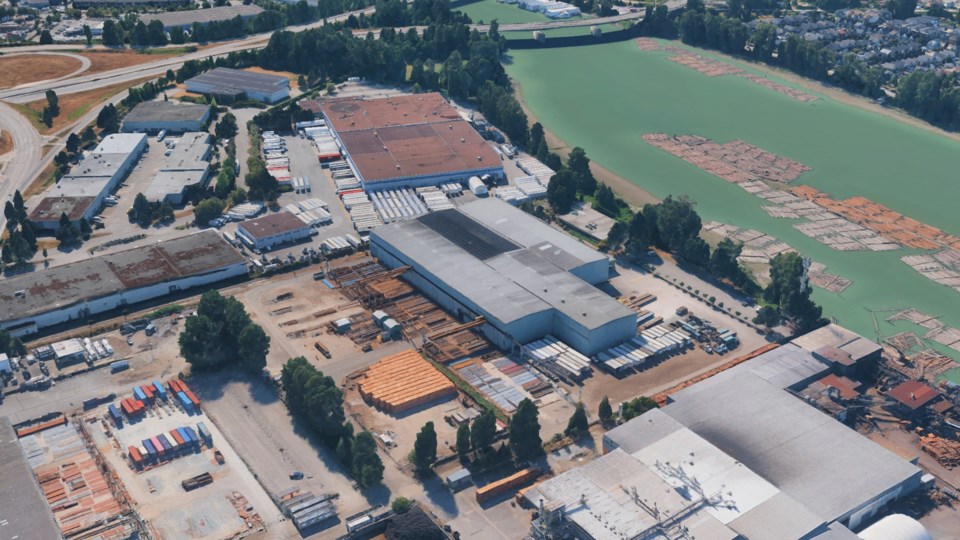
As Metro Vancouver industrial construction starts plummet 55% from 2022 peaks, scaffolding supplier Doka Canada signed a 10-year lease for a former Russel Metals site on Annacis Island, retrofitting the 167,000-square-foot building into covered outdoor storage. The deal signals that creative reuse of well-located legacy industrial assets is becoming a critical strategy for tenants unable to find or afford scarce modern large-format space.
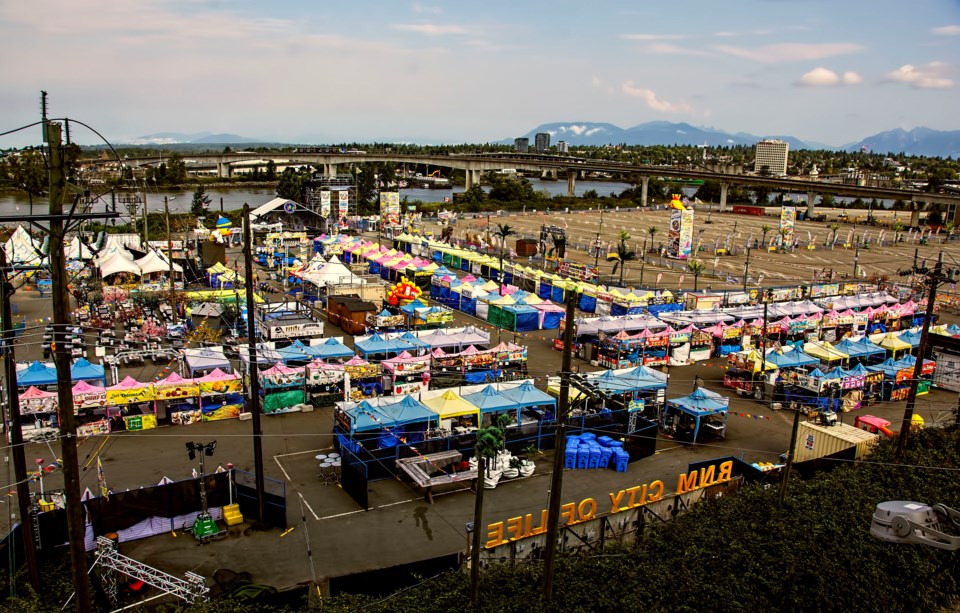
The 1.6-acre West Road Assembly sold at a sharp discount through court-ordered foreclosure while the larger 18.89-acre Duck Island parcel remains listed at $108.6 million, creating uncertainty for one of Richmond’s most prominent riverfront sites near Bridgeport Station.
Metro Vancouver home sales fell 9.8% year-over-year in July 2026, reversing June's brief 10% gain, with apartment sales leading the decline at 18% down. The sales-to-active listings ratio sits at 13%, keeping prices in a narrow holding pattern with benchmark values down roughly 1% monthly and 6% annually.