
Metro Vancouver Homebuyers Finding Sweet Spot in Townhomes, Rennie Report Says
Share
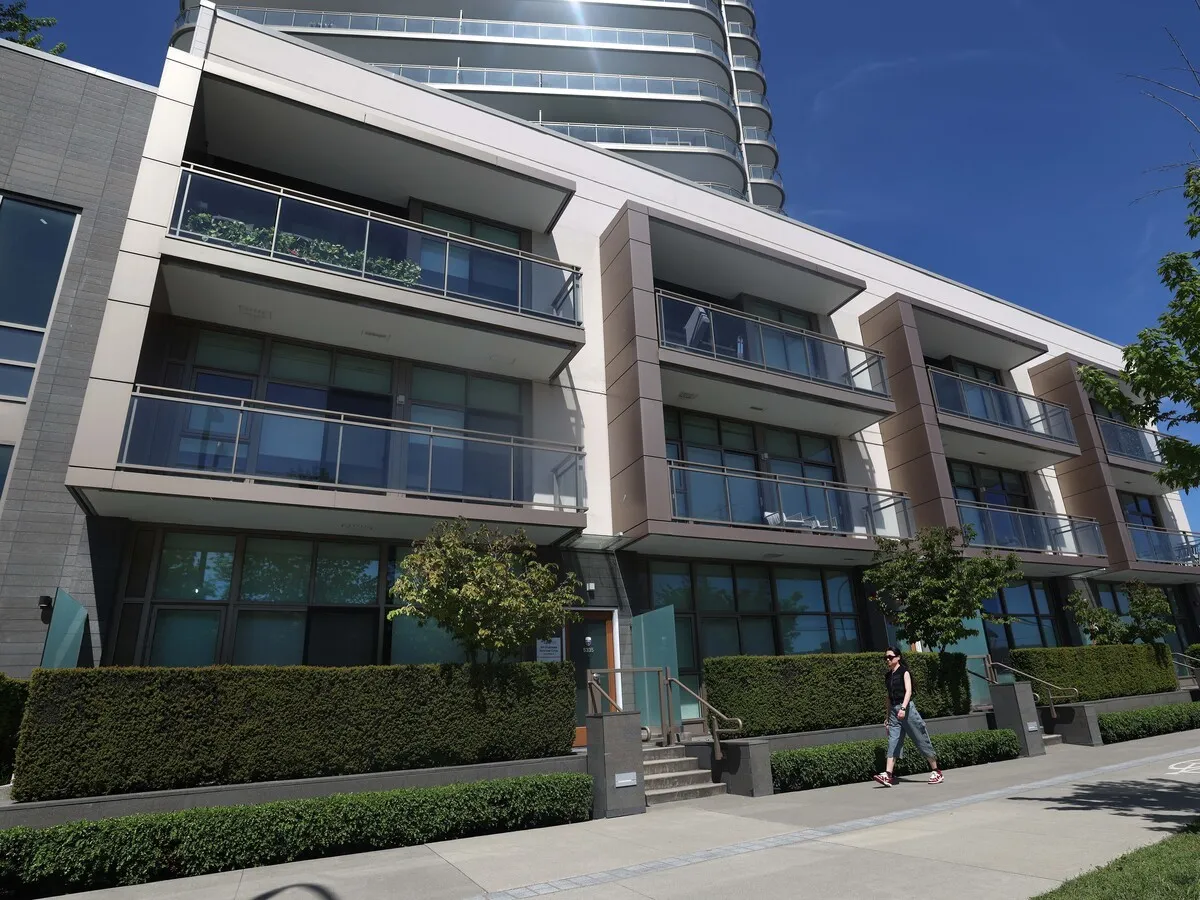
A new report from Rennie Intelligence has found that recent and prospective homebuyers in Metro Vancouver overwhelmingly prefer to live in townhomes, with the three-bedroom family home identified as the market’s “sweet spot.” The report, titled Homes Of Tomorrow and released Monday, was based on an Angus Reid Group survey of 1,400 renters, past buyers, and future buyers across Metro Vancouver, Greater Victoria, and the Central Okanagan.
The findings come at a difficult moment for the region’s condo market. There are very few buyers for new condos currently in the pipeline, and the market is filled with court-ordered sales and projects that are either on hold or completed with many unsold units. According to the report’s estimates, the number of completed and unsold condos will grow to 3,650 by the end of 2026.
Question
Why are townhomes emerging as the preferred choice over condos and detached houses, and what does this mean for developers?

Editor's Comment
This Rennie survey puts numbers to what we’re already seeing on the ground: end-user demand is gravitating to ground-oriented townhomes—especially functional 3-bedroom layouts—because they deliver space, a front door, and some outdoor area without detached-home pricing. In contrast, the condo segment is facing a real absorption problem, and the projection of 3,650 completed-but-unsold units by 2026 underscores why buyers have regained leverage and why “build it and they will come” no longer pencils. For developers, the takeaway is product-market fit and pricing discipline. The market is bifurcating between equity-rich move-up buyers who will pay for larger, better-finished homes, and first-time buyers who need sharper entry pricing—there’s less tolerance for “in-between” product. Design choices should reflect lifestyle realities highlighted here (pets, multiple vehicles, gym and parcel lockers), and the sticky municipality preference means projects that align with local school, commute, and community patterns will outperform generic offerings.