
Senakw Rental Towers Launch This Summer: Squamish Nation's Landmark Project Enters Vancouver's Tight Market
Share
News article poster
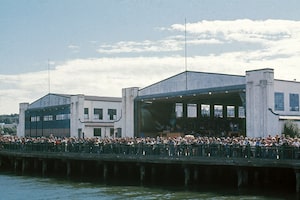
The Squamish Nation is preparing to open the first phase of Senakw this summer, marking a pivotal moment for both the Nation and Vancouver's rental landscape. According to reporting by The Globe and Mail, the first three towers of what is described as Canada's largest Indigenous-built housing project will become available in the coming months. The development represents a significant shift in how Indigenous land is utilized for urban housing, with the Squamish Nation serving as the developer and long-term landlord rather than selling the land or partnering through traditional frameworks. This summer's launch will test market appetite for Nation-led rental housing in one of North America's tightest rental markets.
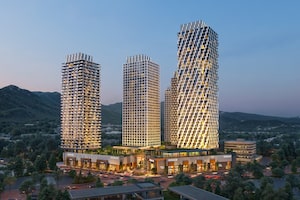

For decades, parcels of land within Vancouver held by the Squamish Nation remained underutilized while the city's housing shortage intensified. The Senakw project breaks from conventional development models by prioritizing long-term community benefit over immediate profit maximization. As rental vacancy rates in Vancouver have remained critically low, the addition of new purpose-built rental stock controlled by the First Nation offers a different kind of tenure security. The project signals a broader trend of Indigenous nations leveraging urban land holdings for economic development while addressing regional housing needs, though specific unit counts and rent structures for the initial towers have not been publicly detailed ahead of the summer launch.

Yuan Xia Commentary
From a senior Greater Vancouver agent's perspective, Senakw matters less for immediate price dynamics and more for what it signals about tenure diversity. We're seeing a maturation of the rental market where institutional and Indigenous landlords are replacing small-scale investors, changing the character of neighborhoods. Buyers considering condos nearby should recognize that high-quality rental competition can actually support area amenities and transit investment, potentially stabilizing resale values for owner-occupied units. The real story here is the permanence of the land base—unlike speculative developers who flip and exit, the Squamish Nation is here for generations. That long-term stewardship often translates into better-maintained buildings and more stable neighborhood planning.