
Vancouver's Higher Buildings Review: Why 3,000 People Lined Up to See the Future Skyline and What It Means for Real Estate
Share
News article poster
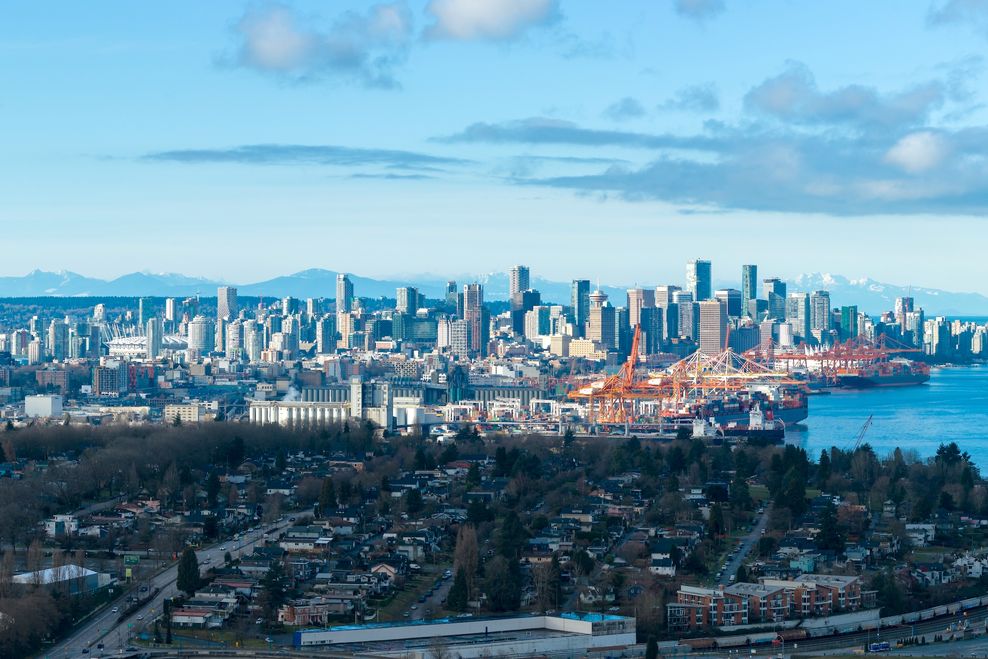
The City of Vancouver has launched a comprehensive review of its nearly 30-year-old Higher Buildings Policy, with Chief Planner Josh White revealing that public consultations at the Vancouver Lookout in May 2026 drew approximately 3,000 attendees over three dates—far exceeding expectations and creating hour-long queues that forced organizers to cut off entry 90 minutes before closing. The review, which will see draft policies prepared between Fall 2026 and Winter 2027 before reaching City Council for final consideration in Spring 2027, comes as downtown faces severe land scarcity and follows 2024 amendments to protected mountain view cones that opened strategic development opportunities. Unlike the existing 1997 framework which restricts exceptional height to specific sites, the current exploration examines how taller towers might address limited redevelopment potential on the Downtown Vancouver peninsula while requiring enhanced public benefits, seismic engineering adaptations including mass dampers, and architectural excellence that White describes as "punctuation marks" in the skyline.
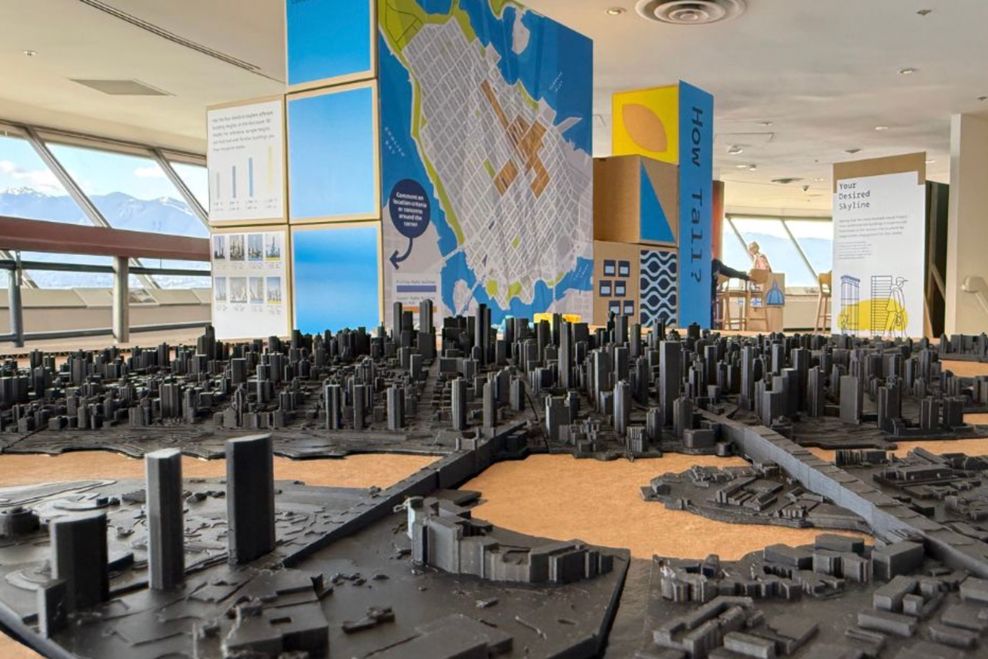
The policy review arrives at a critical moment when Metro Vancouver's tallest buildings are no longer in Vancouver's city centre. Burnaby's Two Gilmore Place, completed in 2023 at 708 feet, overtook downtown's Park Hyatt Vancouver (formerly Living Shangri-La) at 659 feet, while Concord Pacific's 755-foot Grand Tower at Concord Metrotown will become the region's tallest upon completion in 2027. This suburban height dominance represents a global anomaly, as major metropolitan regions typically concentrate their tallest towers in the primary downtown core. White acknowledges that downtown is "very built out" with scarce redevelopment sites naturally pushing the skyline upward, but emphasizes that any additional height must deliver exceptional contributions to public space, ground-level experience, and civic infrastructure rather than merely adding density.
yanqing zhao Commentary
From a senior Greater Vancouver agent's perspective, this policy review is less about an imminent construction boom and more about planning for the next decade of downtown evolution. The 3,000-person turnout signals genuine public interest in skyline quality, not just height, meaning any future tall towers will face intense community scrutiny that could delay projects. For clients, the practical takeaway is that downtown scarcity remains the dominant story—current inventory benefits from these constraints regardless of the 2027 policy outcome. Watch the Vancouver Tall ideas competition results for clues on which sites might eventually see exceptional height, but don't delay purchases based on speculation about future towers that remain years away from reality.