
Fraser Valley to Vancouver Island Homeowners Face Summer Highway Delays as BC Unveils $102.5M Resurfacing Plan
Share
News article poster
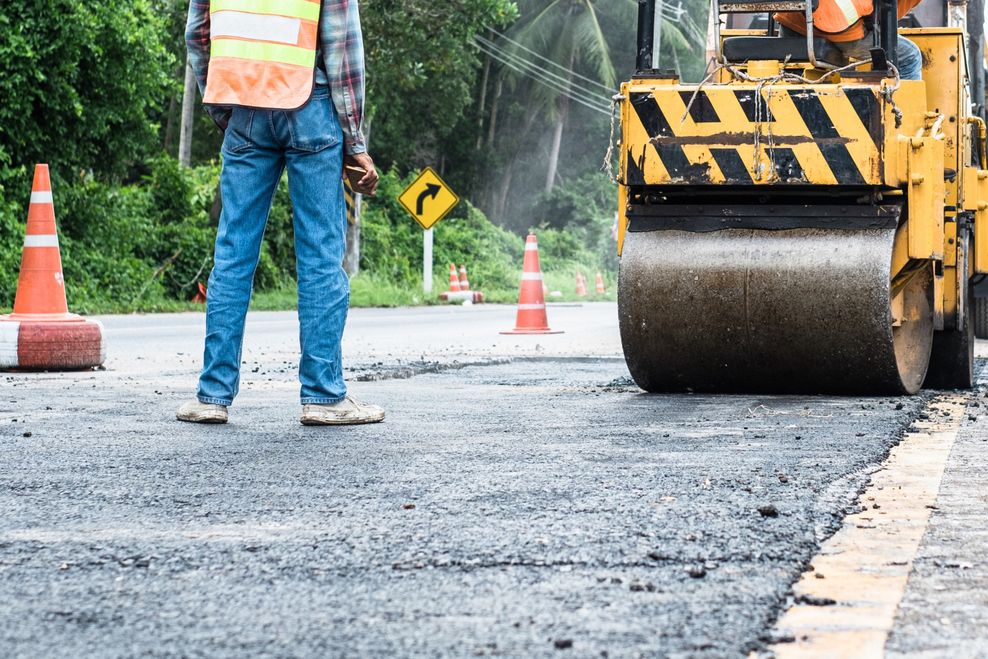
The Province of British Columbia announced on June 11, 2026, that it will spend $102.5 million to resurface more than 200 kilometres of highway and roadways across the Lower Mainland and Vancouver Island this summer. According to the Ministry of Transportation and Transit, $46 million is allocated to Lower Mainland projects and $56.5 million to Vancouver Island work. The ministry stated the resurfacing will improve safety, extend pavement life, and support reliable travel for commuters and goods movement. Specific Lower Mainland segments include Highway 1 near Abbotsford and side roads spanning 11 km, a 30-km stretch westbound near Hope, a 10-km section from Taylor Way to Nelson Creek Bridge on the North Shore, and 12 km near Cypress Bowl Road.
This announcement follows an earlier March 2026 commitment to expand Highway 1 in the Fraser Valley, specifically the Mount Lehman Road Interchange Project, which will widen the roadway from three lanes to five to improve access to Abbotsford International Airport and Fraser Highway. Together, these projects signal a concentrated infrastructure push along one of the province's most critical transportation corridors. For real estate markets in Abbotsford, Hope, North Vancouver and West Vancouver, highway conditions directly influence daily commute times, goods delivery reliability, and overall neighbourhood accessibility. While the province frames the investment as a reliability upgrade, drivers should expect active construction zones, reduced speed limits, and minor delays throughout the summer months.
xs z Commentary
From a senior Greater Vancouver agent's perspective, infrastructure announcements like this are a double-edged sword. The $102.5 million commitment confirms the province sees these corridors as long-term priorities, which supports property values in Abbotsford, the North Shore, and key Island markets. But the summer construction window is real, and it affects buyer psychology in the moment. The key is not to overreact to one headline, but to understand whether your specific property or target neighbourhood sits inside the daily commute path of the work zones. For investors and landlords, this is a carrying-cost and tenant-experience issue more than a pricing story. Watch DriveBC updates, factor in showing flexibility, and remember that better roads usually reinforce the same fundamentals that drew people to these markets in the first place.