
Metro Vancouver Water Restrictions Drop to Stage 2: What Homeowners, Buyers, and Sellers Need to Know About Pools, Lawns, and the Next Drought Risk
Share
News article poster

Metro Vancouver downgraded its water restrictions from Stage 3 to Stage 2 on Thursday, July 16, following the reopening of a major transmission pipe from the North Shore reservoirs. The temporary Stage 3 measures had been implemented to protect the regional water supply system while crews worked on the new Stanley Park Water Supply Tunnel, a project replacing a 1930s-era water main. With the pipe back in service, residents can now water vegetable gardens at any time, wash vehicles and boats using a spring-loaded nozzle or commercial car wash, and refill personal pools and hot tubs. However, sprinkler and soaker hose use remains limited to the early morning window of 5 a.m. to 9 a.m. daily.
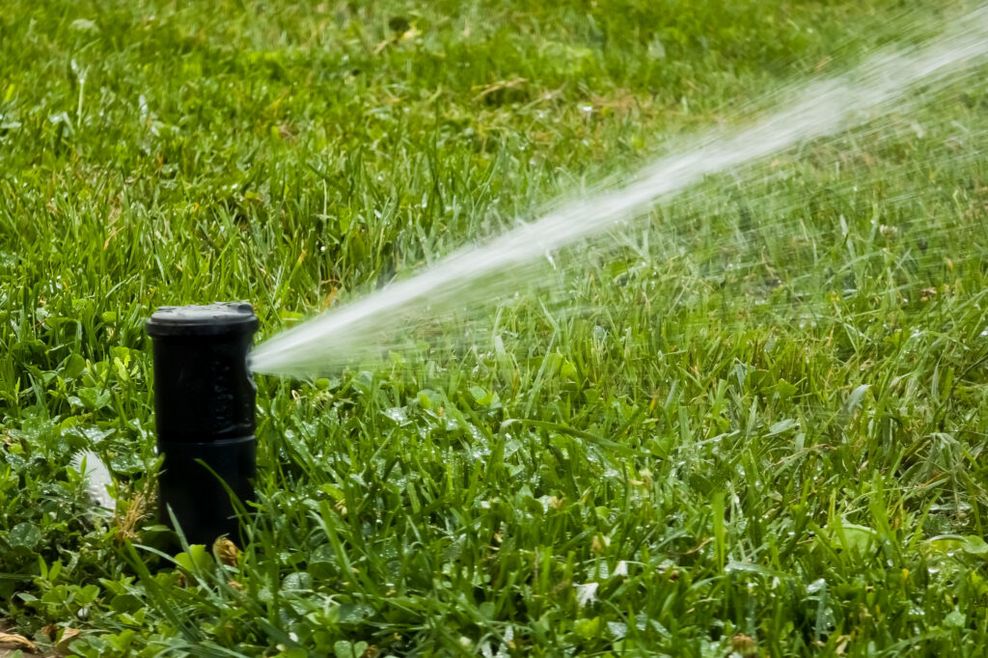
The downgrade does not signal the end of water scarcity concerns in the region. Metro Vancouver explicitly stated that Stage 2 restrictions remain necessary due to ongoing and forecasted dry conditions, low remaining snowpack, and high seasonal outdoor water use. The B.C. Ministry of Water, Land, and Resource Stewardship is also monitoring drought concerns closely, warning that much of the province is expected to face elevated drought conditions through the coming weeks. The ministry is urging both residents and businesses to conserve water, noting that the Stanley Park tunnel work is still ongoing and regional reservoir levels continue to be watched alongside weather patterns and system performance.

Wenbo Zhao Commentary
From a senior Greater Vancouver agent’s perspective, water restrictions are becoming a recurring summer reality rather than a one-off event. Buyers should treat pools and large lawns as lifestyle assets that come with seasonal operating constraints, not guaranteed year-round utility. Sellers need to manage expectations by showing how a property functions under restriction, not just at full capacity. The key is not to overreact to one headline, but to understand that infrastructure age, snowpack levels, and provincial drought policy are now part of the due diligence checklist for any home purchase in the region.