
New Westminster Townhouses to $2M by 2031—Beating Vancouver by 11 Years: The Entry-Price Math Changing Where to Buy
Share
News article poster
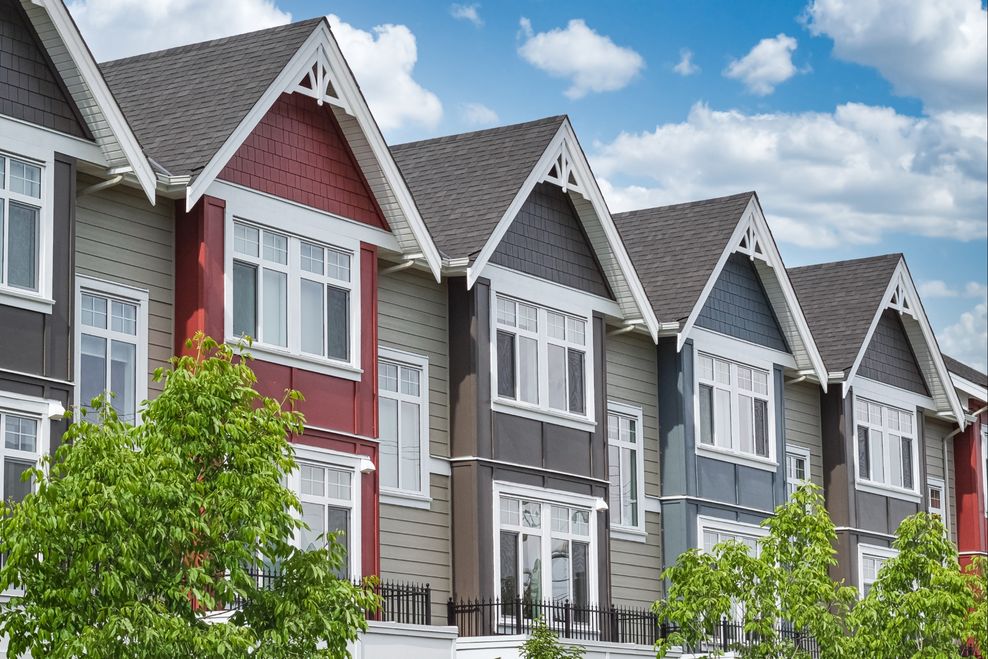
Zoocasa's latest analysis of 16 Metro Vancouver and Sea-to-Sky markets reveals a surprising acceleration timeline for townhouse values. Based on compound annual growth rates from May 2016 to May 2026, the brokerage projects New Westminster townhouses—currently averaging $1,283,600 after climbing from $534,500 a decade ago—will hit the $2 million mark by 2031, just five years away. Maple Ridge and Coquitlam follow closely behind at roughly ten years to reach the same threshold, with Port Coquitlam, Port Moody, Burnaby South, and Pitt Meadows trailing at eleven years. The analysis comes with the standard caveat that historical performance does not guarantee future results, yet the data reveals a clear pattern: suburban markets with lower 2016 entry points are outpacing established luxury corridors in percentage growth.
The report frames townhouses as real estate's "Goldilocks" option—delivering family-sized square footage without detached-home maintenance or condo density. Zoocasa attributes the suburban surge to entry-price mechanics: markets like New Westminster and Maple Ridge started at accessible 2016 price points ($534,500 and $363,000 respectively), leaving room for organic appreciation as infrastructure, schools, and transit caught up. Conversely, West Vancouver townhouses averaged $1,035,400 in 2016 and reached only $1,331,700 by 2026—a $300,000 gain that pales against New Westminster's $750,000 jump. As Zoocasa notes, once markets become expensive enough, buyer pools thin and appreciation slows, while formerly affordable suburbs transform from commuter outposts into genuine residential destinations.

Mintao Zhang Commentary
From a senior Greater Vancouver agent's perspective, this data validates what we've observed in offer scenarios over the past eighteen months: the "drive until you qualify" pattern has evolved into "drive until you find alpha." New Westminster and Maple Ridge are no longer backup options but primary markets where buyers accept longer commutes for tangible square footage. However, the $2 million projection is a mathematical extrapolation, not a guarantee. Buyers need to verify whether that historical growth reflects sustainable neighborhood maturation or merely catch-up pricing. Sellers in these hot markets should price aggressively but realistically—tomorrow's buyer may not pay yesterday's premiums if inventory shifts even slightly.