FIFA World Cup Shatters Transit Records: 1 Million Boardings in a Day and What It Means for SkyTrain Corridor Real Estate
Share
News article poster
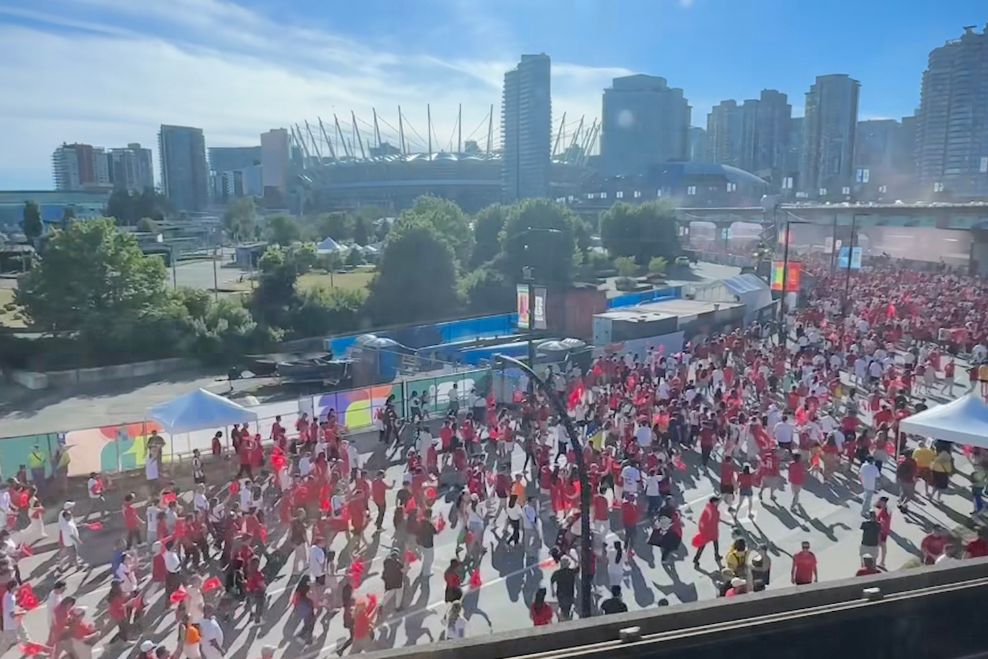
TransLink recorded 1.03 million boardings on Saturday, June 13, as Vancouver hosted its first FIFA World Cup match between Australia and Turkey, marking the busiest Saturday ridership for a BC Place Stadium event since the 2010 Winter Olympics. SkyTrain stations near the stadium experienced their highest Saturday event-day ridership in 16 years, surpassing both Taylor Swift's December 2024 concert and April 2025's Lionel Messi match. The surge required the transit authority to deploy a $22 million enhanced service package funded by the City of Vancouver's FIFA Host Committee, extending SkyTrain and SeaBus operations past 2 a.m. and launching the dedicated No. 11 FIFA Fan Festival Express connecting the Expo Line's 29th Avenue Station to the PNE fairgrounds.
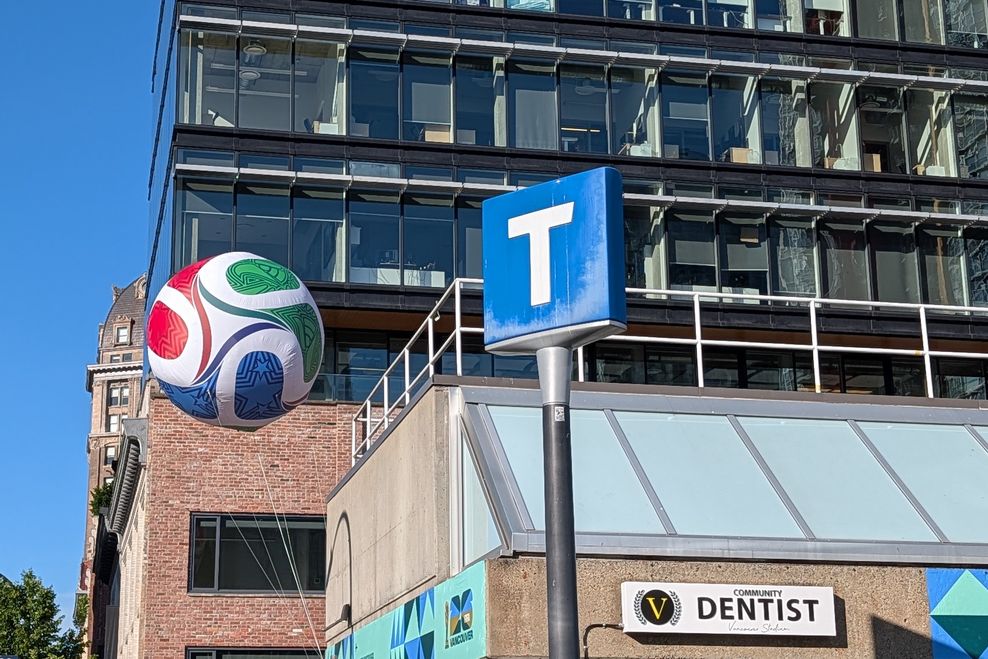
This ridership milestone represents the first of seven matches scheduled at BC Place Stadium through July 7, including Canada's fixtures on June 18 and June 24, plus knockout rounds. The tournament configuration drew 52,497 spectators to the stadium while tens of thousands additional fans flooded the Granville Street Pedestrian Zone and surrounding downtown peninsula. TransLink's response included 60-foot high-capacity buses running every five minutes on the Fan Festival route, while system-wide Saturday bus boardings rose 6.6 percent and SkyTrain usage jumped 25 percent compared to typical Saturdays. The infrastructure stress test mirrors the 2010 Olympics, which permanently altered Vancouver's global profile and triggered sustained downtown development.
Tiffany Poon Commentary
From a senior Greater Vancouver agent's perspective, this ridership data confirms what local professionals have observed since the Canada Line opened: transit infrastructure drives real estate decision-making more than any single event. Buyers looking at Mount Pleasant, Yaletown, or Brentwood should note that these corridors proved they can handle global-scale demand without gridlock. The 2010 comparison is apt—post-Olympics, we saw sustained premium pricing near SkyTrain stations that outperformed regional averages. Current buyers should visit these neighborhoods during a match day to experience the noise and crowd dynamics before writing offers, but sellers can legitimately market the "Olympic-tested" connectivity. This isn't about World Cup hype; it's about validating Vancouver's density model works under pressure.