
Five-Year Rental Lock: Townline CEO Pitches Foreign Buyer Return to Unfreeze Vancouver Projects
Share
News article poster
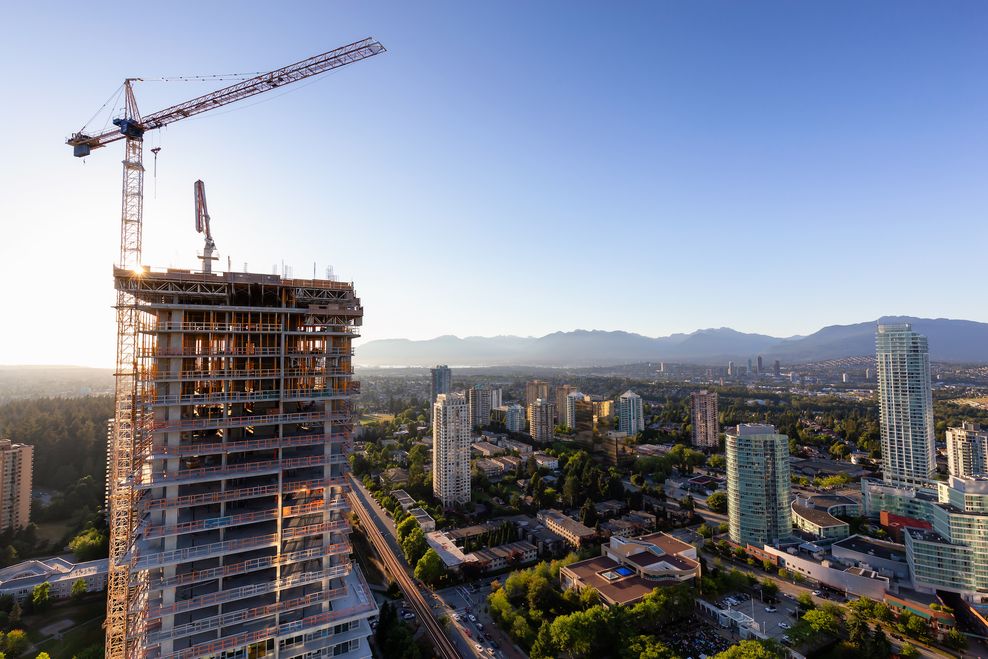
Townline Homes CEO Rick Ilich has floated a conditional compromise to Ottawa's foreign buyer restrictions that would allow international purchasers to return to Metro Vancouver's housing market—provided the homes are rented through established property management firms for the first five years of ownership. The proposal, outlined in an early August interview with Daily Hive Urbanized, comes as the industry grapples with stalled projects and unsold inventory. Ilich, whose company did not sign the July open letter from 26 BC developers urging blanket relaxation of foreign buyer policies, argues this middle-ground approach gives politicians "the tools they needed to shift gears" without fully reversing popular interventionist measures. The federal ban, introduced in 2023 and set to expire in 2027, currently prohibits most non-residents from purchasing residential property, while BC's provincial foreign buyers tax has been in place since 2016.

The proposal faces immediate political headwinds. BC Housing Minister Christine Boyle swiftly rejected the broader industry push to relax restrictions, stating the government "will not stop cracking down on speculation" and will not return to a model where "foreign investors buy empty condos." However, Ilich counters that government-imposed costs—municipal development fees, Metro Vancouver Regional District levies, and new building regulations for energy, accessibility, and seismic standards—now constitute the single largest expenditure in housing projects, potentially adding up to 50% to construction costs in Vancouver. He argues these layers of public fees, not foreign capital, have driven affordability challenges while tying up developer capital in unsold inventory that sits empty because pre-sale targets required for construction financing cannot be met under current demand conditions.

Svitlana Grygor Saulyak Commentary
From a senior Greater Vancouver agent's perspective, this proposal highlights the tension between political optics and construction financing reality. The market is currently caught between unsold inventory and stalled starts—a dangerous gap that threatens supply two to three years out. While the foreign buyer ban isn't going anywhere before 2027 given current provincial rhetoric, buyers should recognize that projects failing to launch today mean tighter resale markets in 2027-2028. For sellers in buildings already complete, the "empty inventory" Ilich mentions suggests competition remains real but not desperate. The deeper story isn't foreign buyers—it's whether governments will acknowledge their fee structures have become the market's biggest drag before more projects die on the drawing board.