
June 10 Rate Decision: Why the Bank of Canada Is Stuck Between Recession and Oil Shock
Share
News article poster
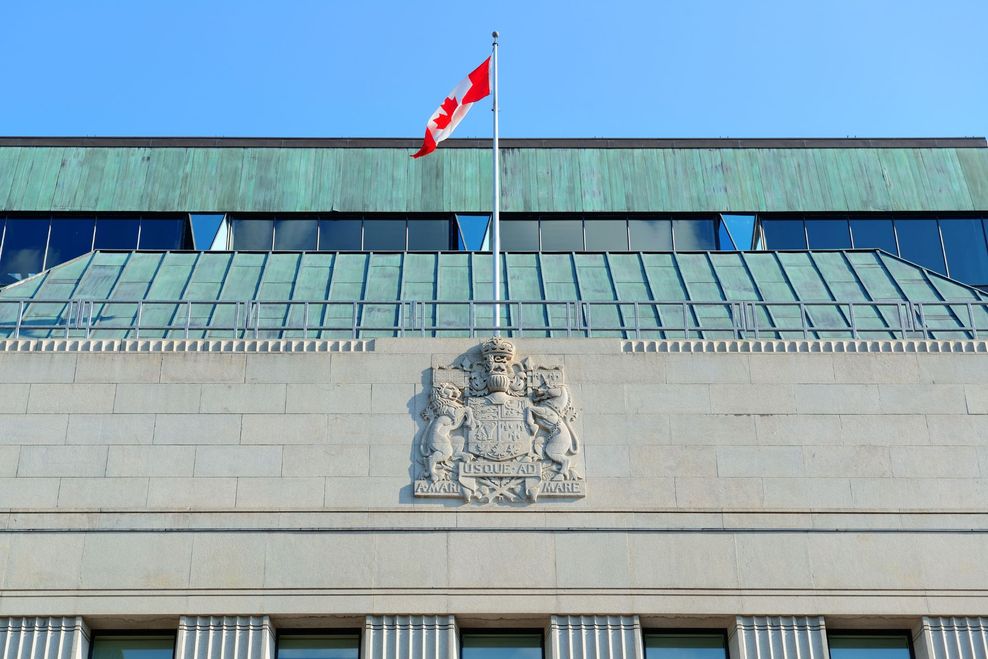
The Bank of Canada is scheduled to announce its next interest rate decision on Wednesday, June 10, 2026, with markets widely expecting the central bank to maintain its key overnight rate at 2.25 percent. This would mark the fifth consecutive hold since October 2025, despite Canada officially entering a technical recession for the first time since 2020. In its April statement, the governing council explicitly cited two major uncertainties driving its cautious stance: the ongoing military conflict between the United States and Iran, and the economic fallout from American tariffs and trade policy. The bank noted that while oil prices have not yet fed broadly into goods and services inflation, the closure of the Strait of Hormuz remains a persistent threat that warrants close monitoring in the months ahead.

Normally, a technical recession—defined as two consecutive quarters of negative GDP growth—would trigger stimulative rate cuts to spur economic activity. However, mortgage experts Clay Jarvis of NerdWallet Canada and Penelope Graham of Ratehub.ca both predict the Bank will hold firm, arguing that cutting rates during an oil-price shock would risk fueling inflation. Graham points out that the recession data masks a mixed economic performance, with growth anticipated to resume in April 2026. Jarvis notes that an "aimless war" creating inflationary pressure makes it difficult to justify monetary easing, even as Canadians struggle with higher living costs. This creates a policy paralysis where the central bank cannot easily cut to support the economy without risking price stability.
Stephanie Carmen Wong Commentary
From a senior Greater Vancouver agent's perspective, this announcement is less about the immediate hold—markets have largely priced that in—and more about the Bank's forward-looking language regarding inflation risks versus growth support. Vancouver buyers are already facing stress-tested qualifying rates near 7-8%, so the mathematical difference between a 2.25% overnight rate and a potential future 2.50% is marginal for actual mortgage approvals, but the psychological impact on consumer confidence is substantial. The real market-moving event this week isn't the rate decision itself, but the press conference commentary on oil, tariffs, and the recession outlook. Watch closely for any hint that the Bank is prioritizing inflation fighting over economic stimulus; that policy signal matters significantly more for autumn market momentum than Wednesday's numerical announcement.