
Charter Boat Sinks Off Richmond with Six Missing: What It Means for Strait of Georgia Waterfront Decisions
Share
News article poster
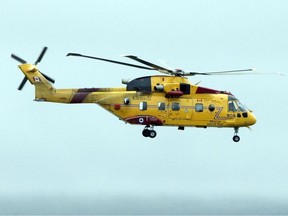
A charter boat with 10 people on board began taking on water near Roberts Bank off the Richmond coast at approximately 11:45 a.m. on Sunday, June 28, according to the Joint Rescue Coordination Centre in Victoria. Police believe all 10 entered the water, many without life jackets, triggering a large-scale search and rescue operation. By 1:15 p.m., four people had been pulled from the water and transported to the Sea Island coast guard station in Richmond for medical care. The remaining six were still missing as of Sunday evening. At 9:45 p.m., the search commander suspended active rescue efforts and handed the incident over to the RCMP. The vessel sank roughly 18 kilometres southwest of Vancouver International Airport, and the cause remains under investigation.
The rescue mobilization was substantial. Assets included a Canadian Forces CH-149 Cormorant helicopter and a CC-295 Kingfisher aircraft from 19 Wing Comox, the Canadian Coast Guard Hovercraft Siyay, lifeboats from Ganges Harbour station, and crews from Royal Canadian Marine Search and Rescue auxiliary stations 6, 7, and 8. B.C. Ferries vessels, civilian boats, and RCMP marine units also responded. The location near Roberts Bank sits off the Richmond coast, roughly 18 kilometres southwest of Vancouver International Airport. For the real estate market, this stretch of water is adjacent to Richmond’s western and southern waterfront, where direct water-access and view properties represent a distinct segment of the local housing stock.
Question
I've been looking at waterfront listings in Richmond. Does a serious boating accident like this change the risk profile of owning on the Strait of Georgia?
Insight
 Xiong Bao thinks
A single incident does not reset market values, but it should prompt buyers to separate lifestyle appeal from carrying risk. Waterfront and water-adjacent properties off the Richmond coast face open-strait exposure and shifting weather patterns that differ from sheltered inland waterways. Buyers should verify whether a property is in a designated flood plain or erosion zone, what marine insurance actually covers for the specific address, and whether moorage or dock permits are current and transferable. The fact that a major search and rescue operation could mobilize within minutes—drawing military aircraft, coast guard hovercraft, and multiple marine stations—is also relevant; it shows robust emergency infrastructure, but it also confirms that this waterway demands respect. Before writing an offer, ask your insurance broker for a preliminary quote on waterfront coverage, and check with the local municipality about any pending shoreline management plans that could affect dock maintenance or sea-wall obligations.
The search suspension at 9:45 p.m. and the handover to RCMP signal that this is now a recovery and investigation operation, not an active rescue. That timeline—roughly 10 hours from first report to suspension—reflects the harsh reality of cold-water immersion in the Strait of Georgia, even in late June. For the local community, the incident also highlights that waters off Richmond see a mix of charter, ferry, rescue, and police marine traffic on any given day. The cause of the sinking has not been determined, and police have not released details about the charter operator or the vessel’s condition, so speculation about liability, regulatory gaps, or future restrictions on local charter activity would be premature.
Question
I own a recreational boat and keep it at a marina near Richmond. Should this change how I think about local water safety, or how I present my waterfront property if I sell?
Insight
Xiong Bao thinksFor current boat owners, the incident is a prompt to review safety protocols rather than a reason to panic. The waters off Richmond are manageable for experienced operators, but they are not sheltered inland waterways; they connect to the open Strait of Georgia and see regular ferry, coast guard, and police traffic. If you are selling a waterfront home with a dock, be prepared for sharper buyer questions about moorage depth, sea-wall condition, and past insurance claims. Some buyers may now explicitly ask about marine traffic patterns and emergency response times, so knowing the distance to the nearest coast guard station or marine rescue unit can be a practical selling point. For investors, the takeaway is narrower: this event does not alter rental demand or long-term land value, but it reinforces that waterfront properties carry higher maintenance, insurance, and liability profiles than inland homes. Factor those carrying costs into your pro forma, and make sure any tenant boat-use clauses are explicit.
Sources reviewed
Xiong Bao Commentary
From a senior Greater Vancouver agent's perspective, incidents like this cut through the romance of waterfront marketing. The Richmond waterfront offers some of the best direct water access in the region, but buyers often fall in love with the view and forget to budget for sea-wall repairs, flood riders, and the reality that the Strait of Georgia is a working waterway. The key is not to overreact to one headline, but to use it as a prompt to ask harder questions during due diligence. Sellers with boat facilities should anticipate more scrutiny and have maintenance records ready. In this market, the agent who can speak honestly about risk—not just lifestyle—earns the long-term trust that matters more than a quick transaction.