
Bank of Canada Freezes Rate at 2.25% for Sixth Time: Why Vancouver Buyers Can't Bank on 2027 Cuts
Share
News article poster
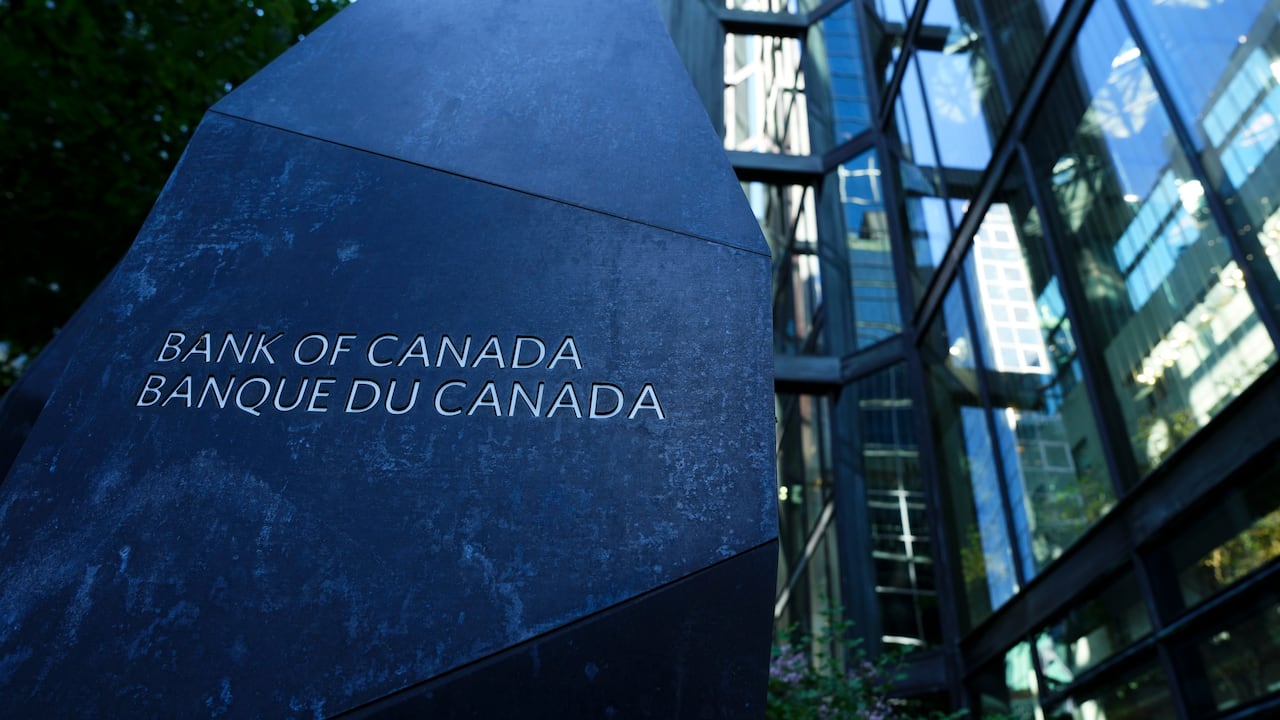
The Bank of Canada maintained its key interest rate at 2.25 per cent on Wednesday, marking the sixth consecutive hold and signaling that borrowers should not expect relief from higher carrying costs until at least mid-2027. Governor Tiff Macklem announced the decision on July 15, 2026, noting that while the economy stalled in early 2026, growth has resumed with the bank projecting 2.5 per cent annualized growth for the second quarter. All 36 economists surveyed by Reuters ahead of the announcement correctly predicted the hold, with the majority forecasting no rate changes until July 2027 at the earliest. This stability comes as inflation hit 3.2 per cent in May—above the bank's target—but is expected to ease toward the 2 per cent target by early 2027.


The central bank's cautious stance reflects persistent headwinds from Middle East conflict and ongoing U.S. trade negotiations, which Macklem warned could still derail the economic recovery. While consumer and government spending is picking up, supporting the rebound, the bank remains vigilant about oil price volatility. Macklem explicitly stated that if energy costs spike and remain elevated, the bank would not hesitate to raise rates to prevent inflation from becoming entrenched. For Greater Vancouver's real estate market, this means the qualifying rate for mortgage stress tests remains anchored at current levels, and the spread between fixed and variable rates likely stays wide. BMO chief economist Douglas Porter reinforced the expectation that the bank will remain "firmly on hold" through the remainder of 2026, removing any immediate hope for lower monthly payments.

Yunsheng Hu Commentary
From a senior Greater Vancouver agent's perspective, this hold confirms what the market has been pricing in since spring—borrowers have time to shop without fear of immediate rate spikes, but they shouldn't bank on payment relief arriving before their closing date. The real story is the removal of urgency around "waiting for the bottom." For sellers, this means buyer qualification levels are capped where they are today, so pricing strategies should reflect current affordability constraints rather than hoping for a rate-cut-driven bidding war this fall. The wildcard remains oil prices; if you're closing in Q4, consider rate holds that extend through potential volatility. Otherwise, treat this as a stable-rate window to negotiate without the chaos of rapid policy shifts.