
2,200 Empty Condos, $1.45B Price Tag: Carney Defends BC Rent-to-Own Plan as 'Affordability,' Not Bailout
Share
News article poster
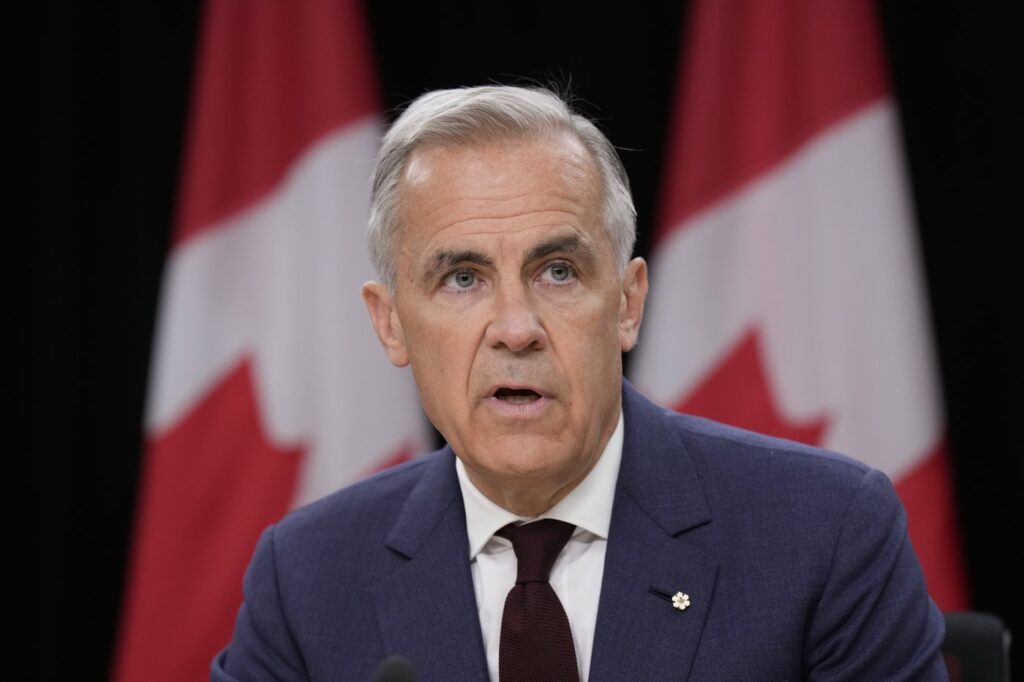
Prime Minister Mark Carney clarified on June 25, 2026, that a controversial British Columbia housing proposal is designed to help aspiring homeowners rather than rescue developers from financial distress. Speaking at a news conference in Ottawa, Carney addressed criticism surrounding a plan to potentially finance the purchase of approximately 2,200 vacant condominium units across the province. The federal government would contribute roughly $145 million—representing 10% of the total $1.45 billion program—with the BC government funding the remaining 90%. These units would then be made available to Canadians through a rent-to-own framework, targeting buyers who struggle to accumulate down payments in Greater Vancouver's prohibitively expensive market.

The announcement follows significant backlash after the program was initially unveiled in Vancouver last week, with Conservative Leader Pierre Poilievre and other critics characterizing the initiative as a taxpayer-funded bailout for developers who overbuilt during the condo boom and now face steep losses amid slowing sales. Carney pushed back against this narrative, stating that no developer had personally lobbied him for the proposal and emphasizing that the primary objective is affordability. The timing is notable as the region grapples with a surplus of unsold inventory in some submarkets, creating a window for public acquisition that would have been financially impossible during peak pricing years.

Yunsheng Hu Commentary
From a senior Greater Vancouver agent's perspective, this $1.45 billion announcement is less about immediate market impact and more about reading policy tea leaves. The fact that Ottawa is willing to deploy capital to absorb excess condo inventory tells us two things: first, that federal policymakers recognize the current oversupply in certain pockets, and second, that they're prioritizing ownership pathways over pure rental stock. For clients, this means distinguishing between buildings that might qualify for such programs—likely newer, unsold developer inventory in secondary locations—and established concrete towers in prime transit corridors. The rent-to-own angle is clever politically, but execution will determine whether this becomes a genuine affordability tool or simply inventory management dressed up as social policy. Watch for the specific unit mix and location announcements before drawing conclusions about neighbourhood effects.