
Tsawwassen's 320-Acre Bet: Why the New Superport Contractor Pick Matters for Delta Real Estate
Share
News article poster
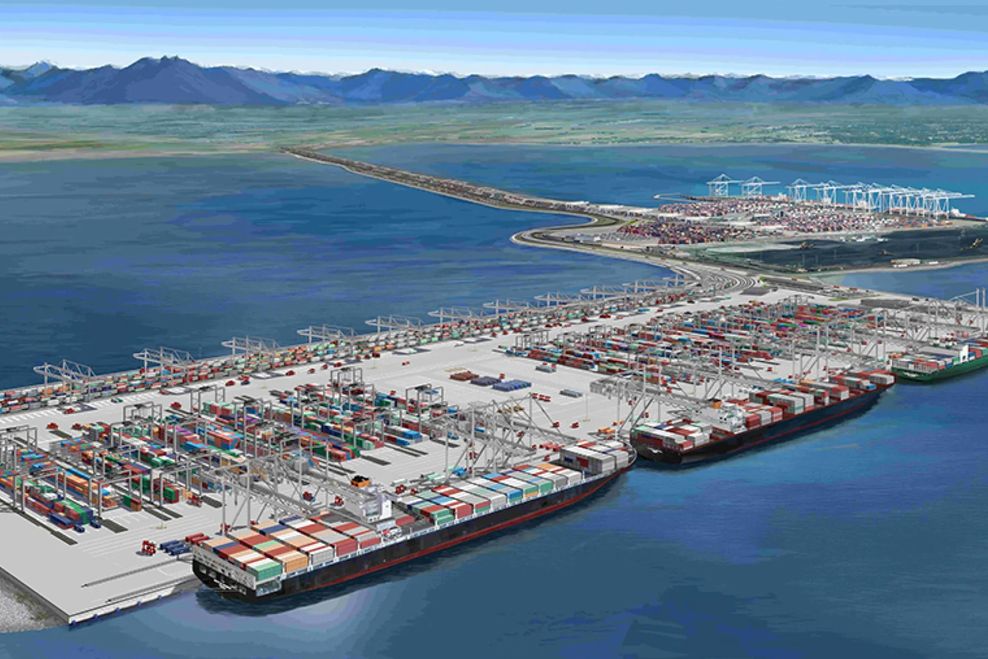
The Vancouver Fraser Port Authority has selected TerraMarine—a consortium including FlatironDragados Canada, Aecon Constructors, Van Oord Canada, and Carlson Construction Group—to execute the land reclamation and core infrastructure for Roberts Bank Terminal 2. The announcement, made July 14, 2026, confirms that the project will proceed through a "progressive design-build" model targeting financial close before early construction begins in late 2027 and major land reclamation starts in 2028. The contract covers the creation of 320 acres of new industrial waterfront—roughly one-third the size of Stanley Park—through fill in the Strait of Georgia, along with berth pockets, an expanded tug basin, and widened causeway infrastructure.
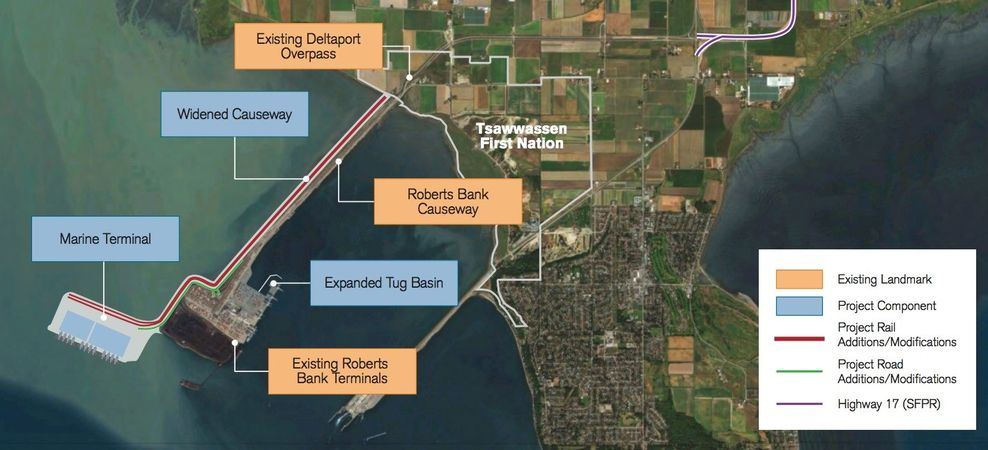
This represents a significant scaling back from early proposals of up to 450 acres, but the remaining footprint still delivers massive economic density. When operational in the mid-2030s, Terminal 2 will handle 2.4 million TEUs annually, effectively doubling the immediate Roberts Bank container capacity and increasing Canada’s West Coast port capacity by 30 percent. The project has also cleared political hurdles, landing on the Canada-B.C. Cooperative Prosperity Agreement priority list earlier this month, while the Port Authority resolved years of conflict with existing terminal operator GCT. The last public cost estimate of $3.5 billion is expected to rise substantially given inflation in construction materials and labor since that figure was established.

Prabhjap Singh Rai Commentary
From a senior Greater Vancouver agent’s perspective, Roberts Bank Terminal 2 is the kind of slow-moving infrastructure that rewards patience rather than panic. We’ve seen this movie with the Canada Line and the original Deltaport expansion—years of construction headlines followed by permanent employment shifts that gradually reprice surrounding neighborhoods. The key distinction here is scale: 35,000 total jobs is larger than most Metro Vancouver municipalities. Clients considering South Delta should drive the causeway route during shift changes and ask about specific truck routing plans, because livability friction points—school zones crossed by heavy transport, for instance—will matter more than the abstract job count. This is a 2030s story wearing a 2027 hard hat.