
BC's 110% Power Planning Gap: Why Industrial Projects and Electrified Housing Could Face Supply Bottlenecks by 2050
Share
News article poster
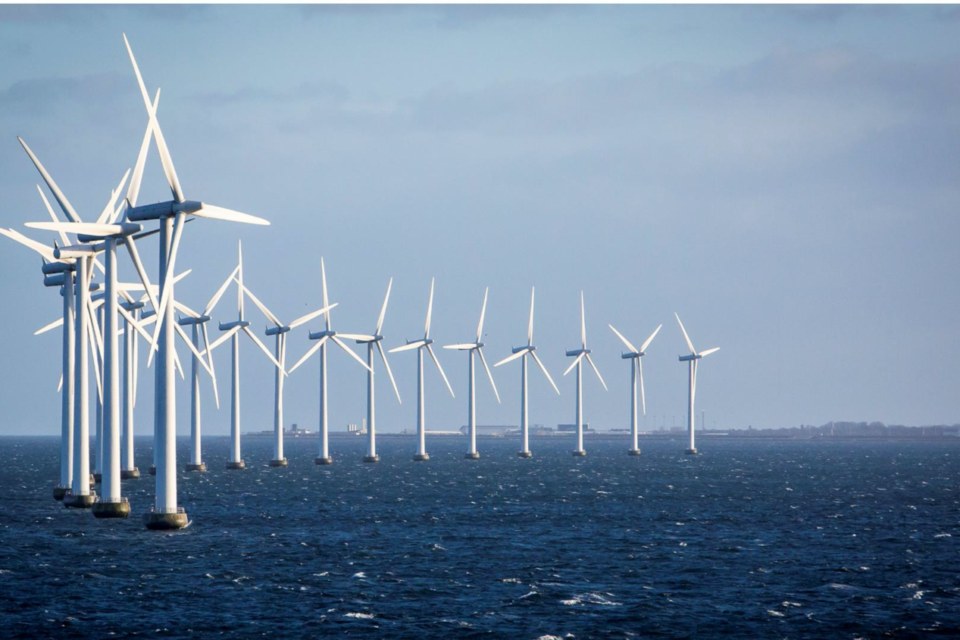
The BC government released "Powering Growth, Fueling Opportunity" in June 2026, scaling back electricity supply ambitions from a promised doubling by 2050 to just 50% growth. BC Hydro's Integrated Resource Plan reference case—the document guiding infrastructure investment—now projects conservative demand scenarios that lag significantly behind the province's "Look West" economic strategy. According to a June 2026 assessment comparing hydro-led jurisdictions, BC Hydro's planning gap between industrial project demand and supply projections reached 110%, the largest among comparable systems in Washington state, Norway, and Quebec. While Norway maintains a 10% gap and Quebec less than 10%, BC's shortfall suggests the current plan may not support the industrial connection queue already lined up for approval.
This planning disconnect emerges as Premier David Eby and Energy Minister Adrian Dix promote BC as a "clean energy superpower" modeled after Norway, where electricity meets 47% of energy demand compared to BC's 18%. The province's current energy mix still relies on refined petroleum products (34%) and natural gas (31%), with electricity tied for third place at 18% alongside biomass. Despite a 98% clean electricity grid, BC lags in electrification of heating and transportation. The conservative planning approach stems from BC Hydro's regulatory mandate to avoid overbuilding infrastructure and driving up ratepayer bills, yet this risk-averse stance now conflicts with federal ambitions under Prime Minister Mark Carney's "Powering Canada Strong" strategy to double the national grid.
Question
If I'm looking at industrial land in Metro Vancouver or considering a pre-sale condo with heat pumps and EV charging, should I worry that electricity supply constraints could delay project completion or increase strata fees down the line?

Zheyu Wu Commentary
From a senior Greater Vancouver agent's perspective, this electricity planning gap reads as an infrastructure bottleneck that favors infill over sprawl and established industrial parks over peripheral land. The 110% shortfall isn't abstract—it means some approved industrial projects may sit dark while awaiting transmission upgrades, and electrified residential towers might face higher operating costs if forced to rely on gas backup. For clients, the immediate action is verifying electrical capacity in writing during due diligence, not assuming BC Hydro can simply "turn on" power for every approved development. Watch for municipal development cost charge increases as cities fund substation upgrades, and expect industrial land with confirmed service to outperform raw land plays.