
Lytton Fire Five Years Later: Highway 1 Closed, Evacuations Return, and Rural Property Risk Gets Real
Share
News article poster
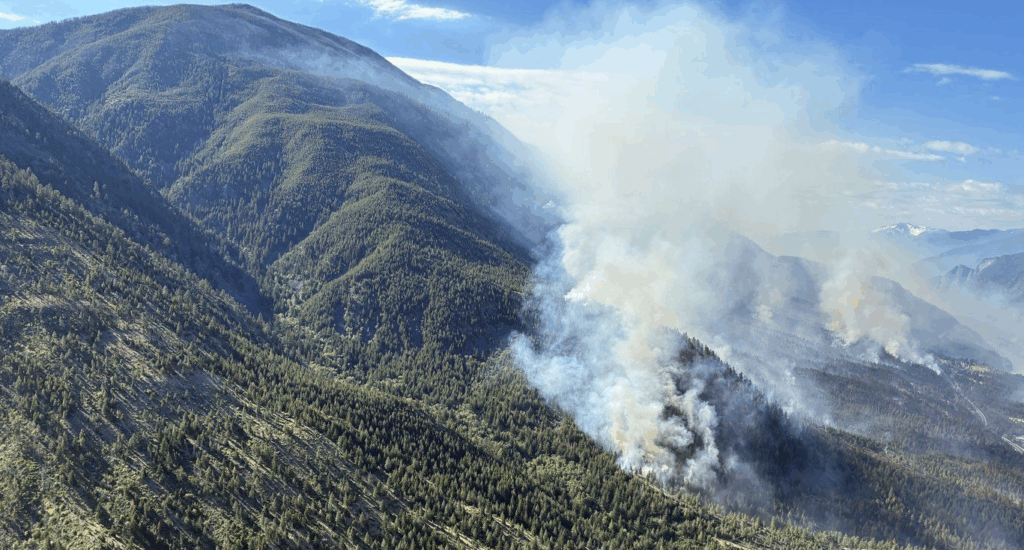
The Saw Creek wildfire burning south of Lytton has forced evacuation orders for approximately 15 properties within the village and surrounding electoral area, while the Thompson-Nicola Regional District downgraded alerts for other areas as crews gained containment. The out-of-control blaze has grown to roughly seven square kilometres along Highway 1, prompting the closure of more than 115 kilometres of the critical transportation corridor. Over 230 properties have been affected by evacuation orders and alerts combined, with the Lytton First Nation also issuing evacuation orders for some residents. The BC Wildfire Service has deployed 135 firefighters and nine helicopters to protect structures as temperatures are forecast to climb to between 33 and 35 degrees Celsius through Wednesday, potentially complicating suppression efforts despite recent cooler conditions that allowed direct attack on the fire's north and south flanks.

The timing carries particular weight: the fire broke out on Friday, just days before the fifth anniversary of the June 30, 2021 inferno that destroyed the village of Lytton and claimed two lives. That catastrophic event fundamentally altered the risk calculus for property ownership in British Columbia's interior dry belt, exposing vulnerabilities in infrastructure, insurance markets, and emergency response. While Lytton has been slowly rebuilding, this new evacuation event demonstrates that climate-driven fire risk remains an active, recurring constraint on the Thompson-Nicola region rather than a historical anomaly. For prospective buyers who have been drawn to the area's relatively affordable land prices compared to the Lower Mainland, the incident forces a confrontation with the true carrying costs of rural ownership: not just the mortgage, but insurance availability, emergency preparedness, and potential liquidity constraints when highway access becomes unreliable.

Yaqin Liao Commentary
From a senior Greater Vancouver agent's perspective, this event illustrates the widening gap between sticker price and true cost of ownership in BC's interior markets. Vancouver buyers chasing affordability in the Thompson-Nicola region must now budget for climate risk the same way they budget for property taxes: as a non-negotiable carrying cost. The Highway 1 closure is particularly telling—when your recreational property becomes inaccessible, it stops being an asset and becomes a liability. For local homeowners, the five-year cycle of destruction and threat suggests we need harder conversations about building codes, insurance pools, and whether some locations remain suitable for standard residential development. The market hasn't fully priced these risks yet, but it's moving that direction. Buyers should enter with eyes open, not just wallets.