
Vancouver Kills 'Villages Plan': 17 Neighbourhoods Stay Single-Family as Council Bows to 'Tsunami' of Opposition
Share
News article poster
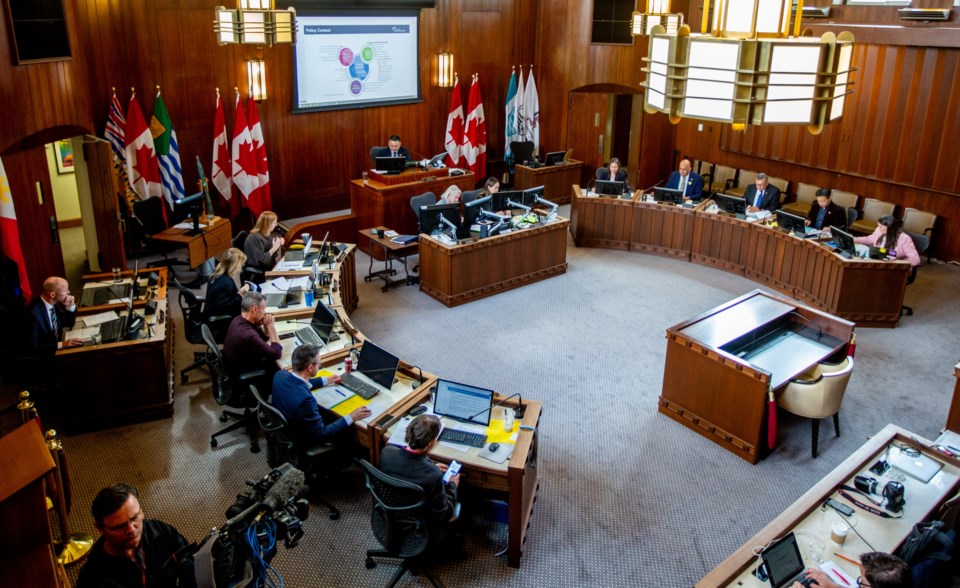
Vancouver City Council voted 10-1 Tuesday evening to reject the "villages" plan, a sweeping land-use proposal that would have rezoned 17 neighbourhoods across the city’s east, west and south sides to allow ground-oriented multiplexes, townhouses, low-rise apartments and mixed-use buildings with retail at grade. The rejection came after more than 200 residents spoke against the plan and over 2,800 submitted written opposition, which ABC Councillor Sarah Kirby-Yung described as a "tsunami" of pushback. The plan, initiated in October 2023 by Mayor Ken Sim’s ABC Vancouver majority, sought to accelerate housing construction by pre-zoning specific "villages" identified in the city’s Official Development Plan, promising five-minute walkable communities where residents could live, shop and connect without leaving their neighbourhood.
The defeated proposal targeted 17 of 25 designated villages, excluding downtown and the Downtown Eastside, and represented a significant shift from Vancouver’s traditional housing stock of single-detached homes, duplexes and laneway houses. Staff had argued the limited housing choice in these areas constrained rental supply and prevented gentle density. However, opposition centred on neighbourhood character, infrastructure capacity, small business impacts, potential tree canopy loss and land speculation fears. Green Party Councillor Pete Fry cited tenant displacement risks and arbitrary village boundaries as dealbreakers, while critics blasted the timing—public consultation occurred in summer when many residents were away, just as the municipal election campaign season began heating up.
Question
I bought a standard lot in Kensington or Kitsilano expecting the villages plan to pass and allow multiplex development. Is my land now stranded, or did I just dodge a zoning risk?

Jun Ji Zhang Commentary
From a senior Greater Vancouver agent’s perspective, this vote reveals the political fragility of city-wide upzoning in Vancouver’s detached neighbourhoods. The ABC majority misread the intensity of local opposition, wasting two years of planning resources. For clients, the practical takeaway is clear: focus on areas with already-approved community plans—Broadway, Cambie, parts of Renfrew—where the zoning certainty just improved via the stair amendment, rather than betting on speculative rezoning in the 17 villages. The market hates uncertainty, and these neighbourhoods just got a dose of it that will last through the October election.