
Vancouver Parking Scams Are Getting Smarter: What Buyers and Landlords Need to Know Before They Rely on Street Parking
Share
News article poster
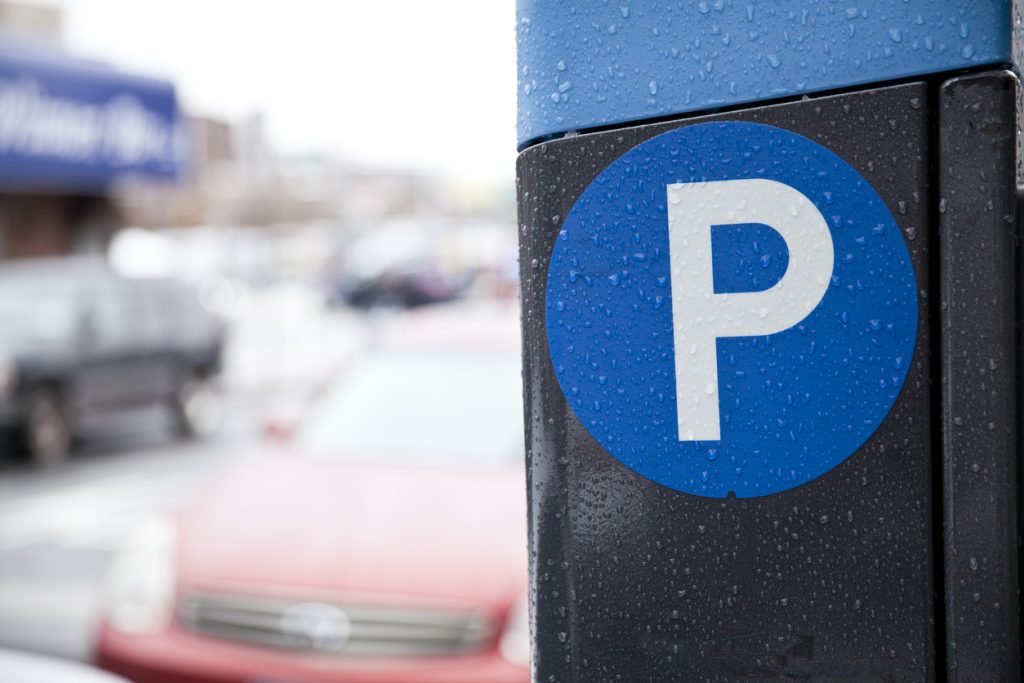
On June 19, 2026, the City of Vancouver issued a public warning about escalating parking fraud targeting drivers across the city. According to the City’s alert, scammers have been attaching fake QR codes to parking meters and pay stations. When scanned, these codes route users to counterfeit payment websites designed to mimic legitimate platforms such as PayByPhone. The municipality emphasized that it does not use QR codes for any parking payment system. In addition to the physical stickers, officials reported a surge in fraudulent text messages claiming recipients owe overdue parking tickets and demanding immediate payment. The City clarified that it never issues fine notifications via SMS or social media, and that authentic tickets are only placed on vehicles or mailed directly to registered owners.

Parking logistics have long been a quiet but critical variable in Vancouver real estate. In dense neighbourhoods across the city, many condominiums, rental buildings, and commercial properties offer limited or no dedicated stalls, pushing residents, tenants, and customers onto metered streets. The shift toward app-based payment over the past decade made street parking more convenient, but it also created an opening for digital fraud. This latest scam wave adds a new layer of daily friction for anyone relying on public parking. For property owners and prospective buyers, it is a reminder that parking infrastructure—whether secured underground, surface lot, or purely street-dependent—carries operational and lifestyle costs that extend far beyond the monthly strata or rental line item.

Kim Phung Thi Nguyen Commentary
From a senior Greater Vancouver agent’s perspective, this warning is less about a market crash and more about the daily math of livability. Vancouver buyers have always paid a premium for parking, but now there is a new nuisance cost to street reliance—fraud risk. The key is not to overreact to one headline, but to treat parking as a genuine due diligence item. Ask for the parking plan, test the commute, and know whether a stall is titled, assigned, or merely street permit-eligible. For investors, tenant turnover is expensive; anything that makes daily life smoother, including a legitimate parking spot, tends to pay for itself.