
BMO Exits Prince Rupert After 50 Years: Why Vancouver Investors Should Watch the Small-Town Banking Drain
Share
News article poster

The Bank of Montreal closed its Prince Rupert location on June 19, ending a 50-year presence in the coastal city of roughly 12,000 residents. Customers who previously relied on in-person services must now drive approximately 90 minutes to the nearest branch in Terrace or transition to digital banking platforms. The closure particularly affects seniors like Amy Wong, a former restaurant owner who visited the branch monthly for decades and now faces the logistical challenge of switching institutions or traveling for basic banking needs. While BMO cited changing consumer preferences and cost adaptation as reasons for the closure, the move eliminates one of the major banking options in a community currently experiencing significant industrial expansion at the Port of Prince Rupert.

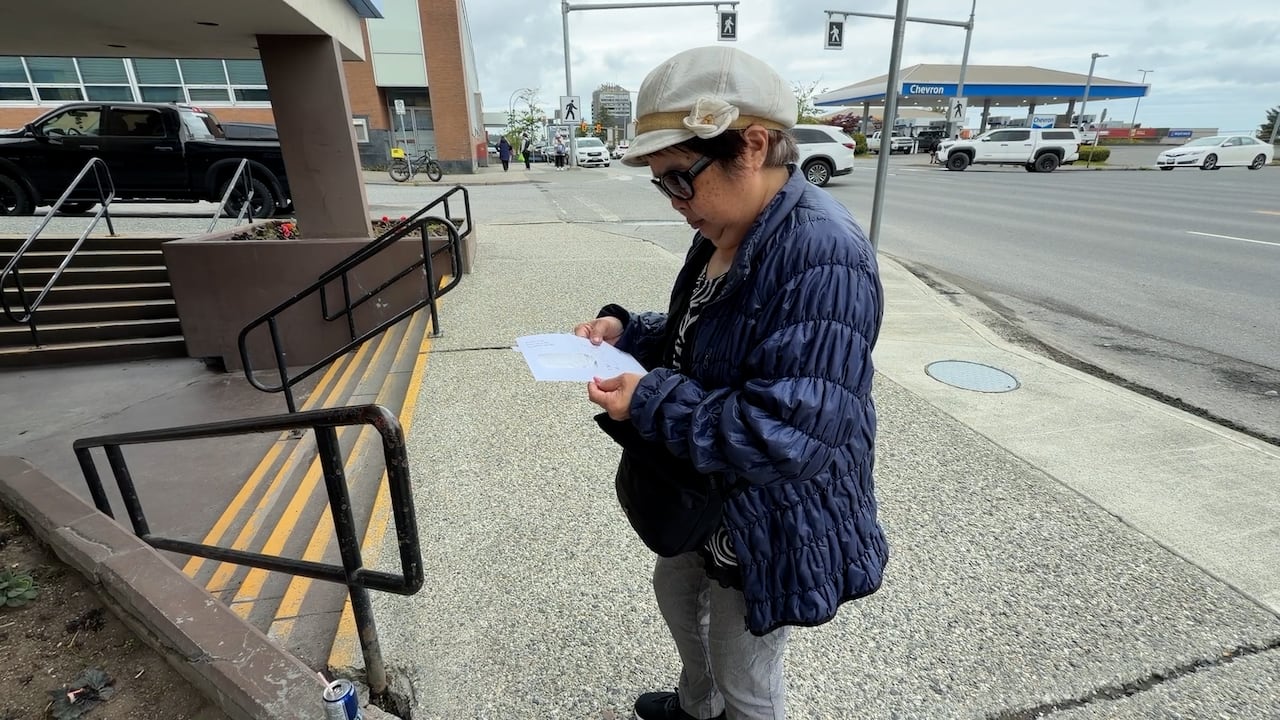
This closure occurs against a paradoxical economic backdrop. Prince Rupert is witnessing billions of dollars in port infrastructure investment and export recovery post-COVID, yet simultaneously suffering retail sector contraction. The Prince Rupert Chamber of Commerce noted that alongside the BMO closure, the community recently lost its Walmart and multiple restaurants, creating what locals describe as a service desert despite industrial growth. Chamber president Andy Enns emphasized that for long-term residents, particularly those with established mortgage and lending relationships, switching banks after decades represents more than inconvenience—it disrupts financial continuity. The situation illustrates a broader national trend where banks prioritize digital platforms and cost-cutting over physical presence in smaller markets.

Ming Yang Commentary
From a senior Greater Vancouver agent's perspective, the Prince Rupert BMO closure serves as a reminder that BC's real estate story isn't uniform. While Vancouver grapples with density and presale launches, northern communities face service erosion despite industrial growth. For clients diversifying beyond the Lower Mainland, this news emphasizes the importance of infrastructure audits—banking, healthcare, and digital connectivity matter as much as employment stats. The key is not to avoid these markets, but to enter them with eyes open to the specific risks of small-town ownership, particularly if targeting tenant demographics who rely on in-person services.