
Vancouver Adding New City-Wide Development Charges This Fall: What the $10/sq ft ACC Means for Buyers and Builders
Share
News article poster
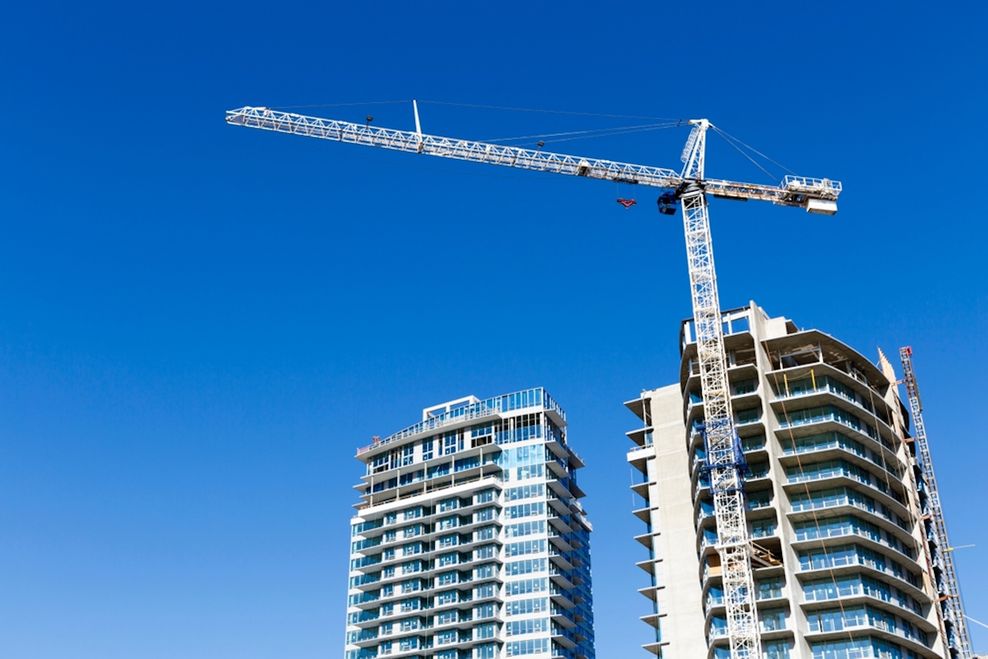
The City of Vancouver is overhauling its development contribution system with a new city-wide Amenity Cost Charge (ACC) set to take effect on September 30, 2026. This historic shift moves the city away from project-by-project Community Amenity Contribution (CAC) negotiations toward a standardized fee structure. Under the new system, high-density residential developments above 1.5 floor area ratio (FAR) will eventually pay $10 per square foot, while mid-density projects between 1.2 and 1.5 FAR will face $5 per square foot, and low-density development at or below 1.2 FAR will pay $2.32 per square foot. The ACC will be levied on top of existing Development Cost Levies (DCLs) and is expected to generate approximately $483 million over the next decade to fund community centres, libraries, public art, and cultural spaces.
This change stems from provincial Bill 46, enacted in November 2023, which expanded municipal financing tools to support population growth across British Columbia. Historically, Vancouver relied heavily on CACs—negotiated payments from developers when rezonings created additional property value—but City staff acknowledged this process could stretch for years, creating uncertainty. The new ACC system aims to provide predictability while still allowing CAC negotiations for larger, more complex projects. The move coincides with a forecasted construction boom of 55 million square feet of net new building floor area between 2027 and 2036, requiring $7.7 billion in infrastructure investment to support growth concentrated in the Metro Core, Broadway Plan area, and SkyTrain station precincts.
Jian Guo Zhang Commentary
From a senior Greater Vancouver agent's perspective, this policy shift signals Vancouver's prioritization of rental supply over strata ownership in the coming decade. The 53% rental forecast isn't accidental—it's engineered through these fee structures. For buyers, this means future resale inventory in high-density zones may be tighter than projected, potentially supporting values for existing concrete product. Investors should note that purpose-built rental is becoming the city's preferred asset class, with tax-like advantages embedded in the fee structure. The real story here isn't the $10 charge itself, but the deliberate pivot away from negotiation-based planning toward a rules-based system that favors housing tenures the province wants to see built.