
Lulu Delta Water Tunnel Pushed to 2040: Financial Constraints Delay Earthquake Resilience for Delta and Tsawwassen
Share
News article poster
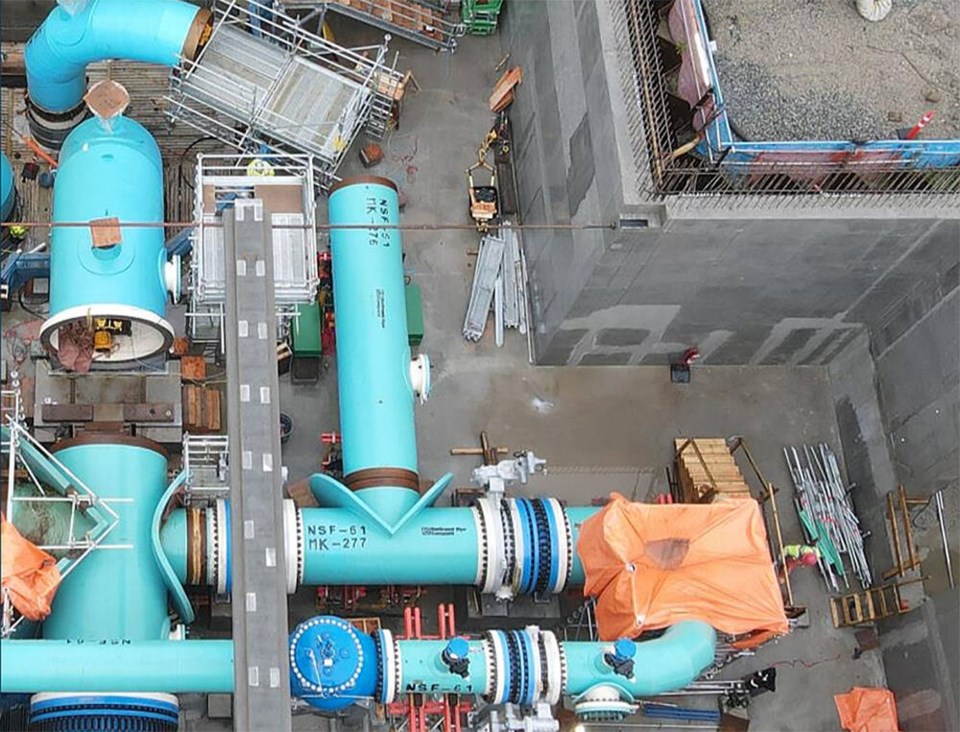
Metro Vancouver has deferred the design and construction of the Lulu Delta Water Supply Tunnel by approximately eight years, pushing the start of design work from the early 2030s to approximately 2040. The project, an up to two-kilometre marine crossing deep under the Fraser River connecting Richmond and Delta near the George Massey Tunnel, was originally anticipated to begin construction in 2032. According to a recent update report to the region's Water Committee, the delay is attributed to "financial sustainability reasons." The project remains in its definition phase, which commenced in 2025 and is scheduled for completion in 2027, after which property acquisition for tunnel shaft sites will proceed.
The new tunnel is intended to replace an existing watermain constructed in 1963 that conveys drinking water from the Seymour Capilano Filtration Plant to Delta and the Tsawwassen First Nation. The existing infrastructure is nearing the end of its service life, and the replacement project aims to provide additional redundancy while ensuring reliable delivery of high-quality drinking water following a major earthquake. The current crossing lacks backup infrastructure, making the deferred timeline particularly significant for communities dependent on this single marine crossing. The new tunnel will use trenchless construction methods deep beneath the riverbed.
Question
Should buyers considering homes in Delta or Tsawwassen factor this infrastructure delay into their long-term risk assessment, or is this simply routine government scheduling that won't affect property values?

Jaycie Dawn Ferris Commentary
From a senior Greater Vancouver agent's perspective, this delay is less about immediate property value impact and more about risk transparency. Delta and Tsawwassen remain attractive for their relative affordability and lifestyle, but buyers entering these markets now should do so with eyes open about infrastructure age. The 1963 watermain isn't a dealbreaker today, but it adds a layer of due diligence for long-term holds. Sellers in these areas should prepare to address infrastructure questions proactively rather than defensively. Watch for whether this deferral triggers any changes to development cost charges or utility rates as Metro Vancouver balances its books.