
Judge Shuts the Door on Richmond Developer: Montrose Properties Loses Bid to Reopen Cowichan Title Case
Share
News article poster
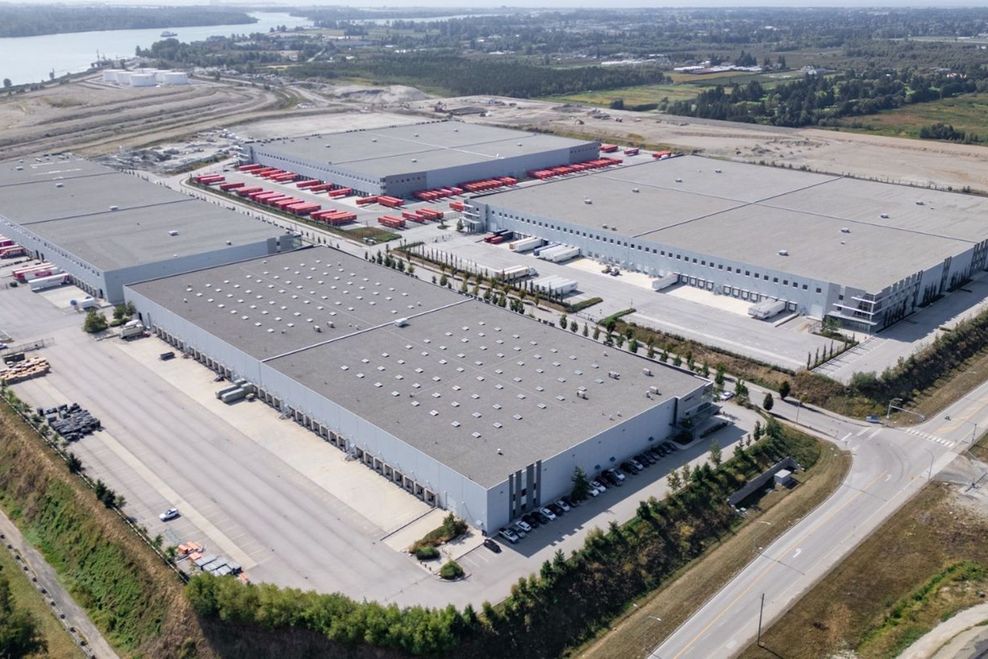
In a ruling issued late last month, Justice Barbara Young of the B.C. Supreme Court dismissed an application by Montrose Properties to be added as a party and to reopen portions of the Cowichan Tribes Aboriginal title case after trial. The Richmond-based developer, which owns the 170-acre Richmond Industrial Centre in southeast Richmond, argued that its lands fall within the area affected by the court’s August 2025 decision and that it should have an opportunity to make submissions on the implications for private landowners. Justice Young rejected the bid as an “abuse of process for relitigation,” stating that allowing the application could incentivize third parties to take a “wait-and-see approach” and reopen floodgates long after trial concluded.
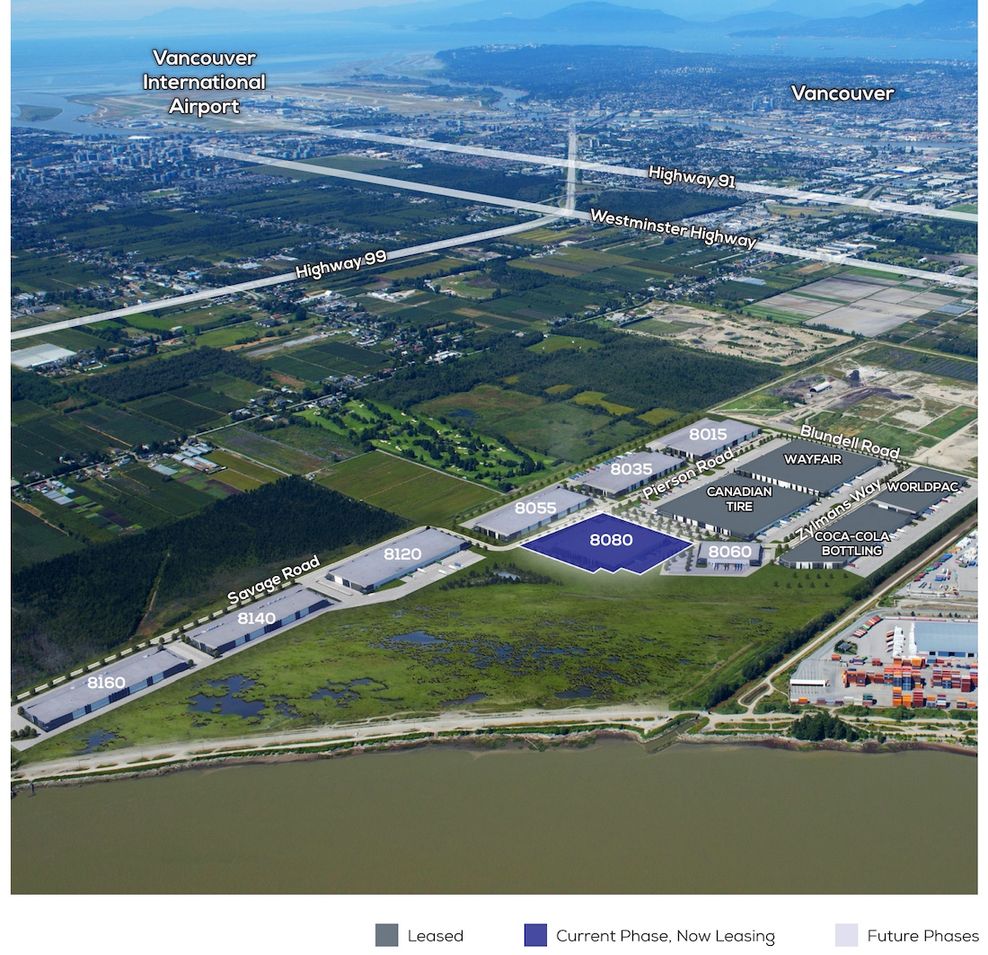
The underlying decision stems from a 513-day trial that began in 2019, in which Justice Young ruled last August that 40 per cent of the 1,846 acres sought by the Cowichan Tribes—covering both public and private fee simple lands in southeast Richmond—are under Aboriginal title. Montrose Properties was never a formal party to the litigation, though the court noted it was aware of the proceedings. The company’s master plan envisions 12 buildings delivering three million square feet of industrial space and about 5,000 jobs, with four buildings already completed and tenanted by major operators including Coca-Cola Bottling and Canadian Tire. The ruling has already had tangible financial consequences: Montrose disclosed that its lender backed away from financing a fifth warehouse because clear title could no longer be confirmed.

Powell Shi Commentary
From a senior Greater Vancouver agent’s perspective, this case is less about an immediate market crash and more about a new layer of title complexity that industrial buyers and sellers in Richmond cannot ignore. The Montrose ruling signals that private landowners will not easily be able to muscle their way into closed litigation, so the appeal is the only near-term path to clarity. Clients looking at southeast Richmond industrial or commercial land need to price in legal uncertainty and lender skittishness, even if the underlying fundamentals—port access, logistics demand, and land scarcity—remain strong. The key is not to overreact to one headline, but to understand that this cloud will hang over transactions until the appeal is resolved.