
Surrey Moves to Standardize Development Fees: New ACC Bylaws Replace CACs Before 2026 Transit Rules Kick In
Share
News article poster
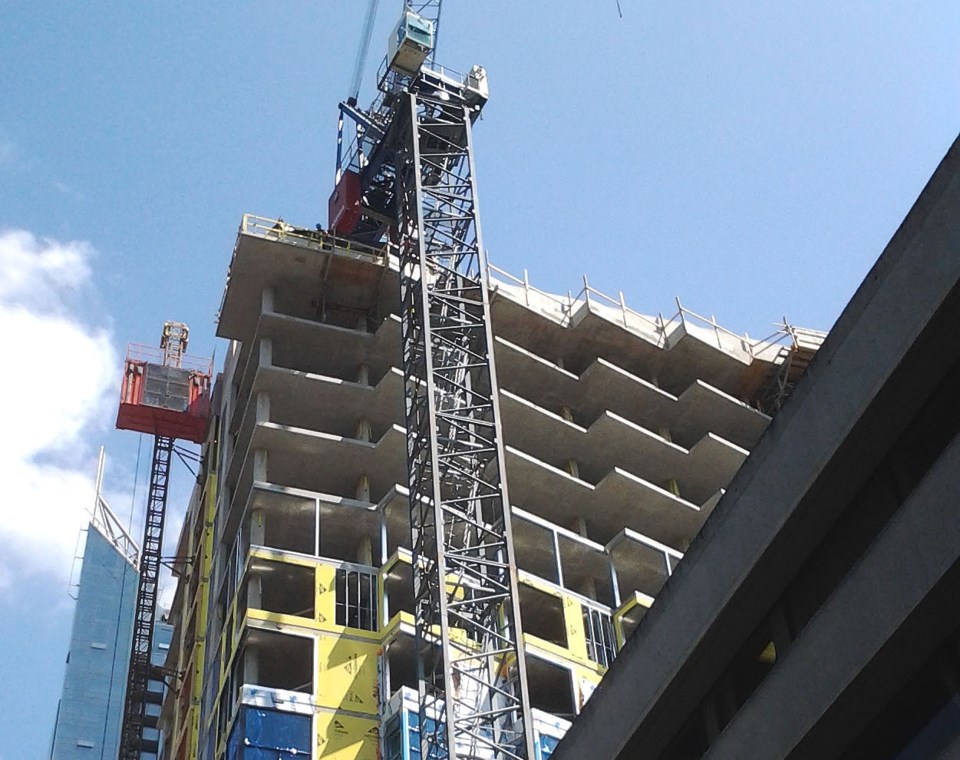
Surrey council recently directed staff to prepare new Amenity Cost Charge (ACC) bylaws for council consideration, marking a significant shift in how the city finances essential amenities. Unlike the current Community Amenity Contribution (CAC) system—which relies on negotiations during rezoning applications and varies by project—the new ACC framework will establish standardized, city-wide charges applied to new development applications. The bylaws will create two distinct funding streams: one for general city-wide amenities including libraries and daycares, and a second specifically earmarked for capital costs and interest related to replacing the aging Newton Recreation Centre. This transition aligns with provincial direction to move toward more predictable development financing tools.
The timing is critical. Provincial restrictions limiting the use of CACs in Transit-Oriented Areas (TOAs) take effect on June 30, 2026, forcing municipalities to find alternative funding mechanisms for high-density development near transit hubs. Surrey’s staff report emphasizes that ACCs provide the "continuity of amenity funding" needed to support housing objectives while removing the uncertainty that plagued the CAC system. Historically, CACs produced inconsistent results because they depended on individual rezoning negotiations, making long-term infrastructure planning difficult for city staff and creating unpredictable cost structures for developers. The new ACC approach aims to solve this predictability problem while ensuring Newton’s recreation facility replacement moves forward.
Question
If I'm looking at a pre-sale condo in Surrey or planning to build a laneway house, will these new ACCs make my project more expensive than under the old CAC system?
jasmine Commentary
From a senior Greater Vancouver agent's perspective, this regulatory shift represents exactly the kind of infrastructure financing clarity that mature markets need. The transition from negotiated CACs to standardized ACCs removes the guesswork that often delayed Surrey projects during rezoning, though buyers should verify whether specific pre-sale projects have already factored in these costs. Newton property owners benefit specifically from the dedicated recreation centre funding, while investors across Surrey gain predictable cost structures. The real test comes when council publishes the actual rate schedule—until then, assume costs transfer to end buyers but with greater transparency than the opaque CAC system allowed.