
Two New Mega-Dams on the Table: What BC's Power Surge Means for Industrial Land and Electrification Costs
Share
News article poster
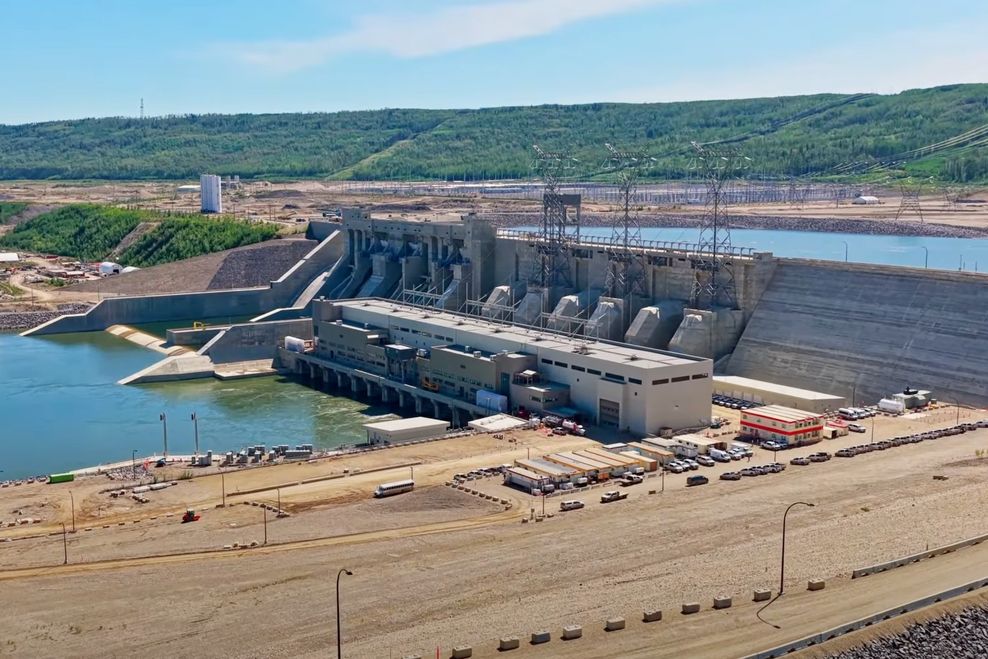
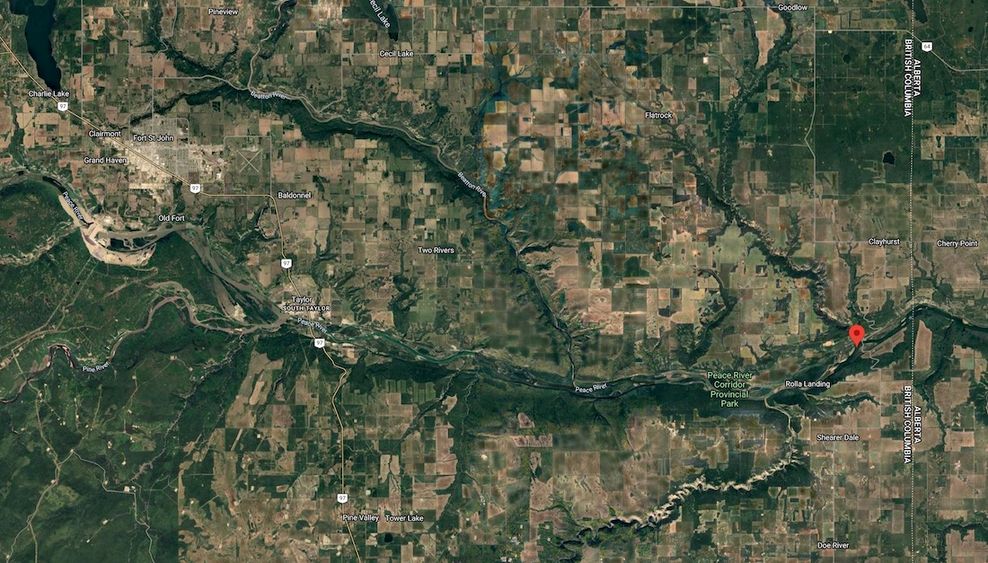
Less than a year after the John Horgan Dam reached full capacity in August 2025, BC Hydro has confirmed early-stage exploration of two additional major hydroelectric sites. The first, "Site E," would sit on the Peace River roughly 60 kilometres east of the John Horgan Dam near the Alberta border, potentially generating 750 megawatts and 3,000 gigawatt-hours annually. The second proposal targets the Homathko River near Bute Inlet, about 250 kilometres northwest of Vancouver, envisioning up to four dams and three powerhouses with capacity between 500 and 900 megawatts. These projects emerge as the Crown corporation projects electricity demand will surge 20 per cent by 2030 and 50 per cent by 2050, with peak demand increasing 44 per cent on the coldest days, driven by population growth, industrial expansion, and the proliferation of artificial intelligence data centres.
The announcement marks a significant shift in energy planning, coming just months after the $16-billion John Horgan Dam—formerly Site C—became fully operational and was officially renamed in May 2026. Site E revives a concept cancelled in the early 1980s due to environmental opposition, while the Homathko proposal would extend hydro infrastructure into the Central Coast region with potential transmission lines reaching Williams Lake and Vancouver Island. BC Hydro emphasizes that no decisions have been made, noting such projects require decades from conception to completion. The utility is simultaneously pursuing a $36-billion grid expansion, wind and solar contracts, geothermal exploration at Meager Creek, and a $1-billion conservation initiative to delay infrastructure needs.

Xiu Yuan Gu Commentary
From a senior Greater Vancouver agent's perspective, this announcement reveals where the province is placing long-term industrial bets. The Peace River corridor is cementing itself as an energy hub, while the Homathko proposal signals potential infrastructure extension toward resource regions. For most residential clients, the immediate impact is cost pressure: electrification requirements in new builds and renovation permits are tightening, and connection fees are rising. The smart play isn't to speculate on remote dam sites, but to ensure any investment property can handle 100-amp service minimum and has space for future heat pump and EV infrastructure. Watch the transmission line routing announcements—they typically precede land value shifts by several years.