
World's Largest EV Battery Megafactory Opens in Surrey: The Industrial Shift Reshaping Housing Demand
Share
News article poster
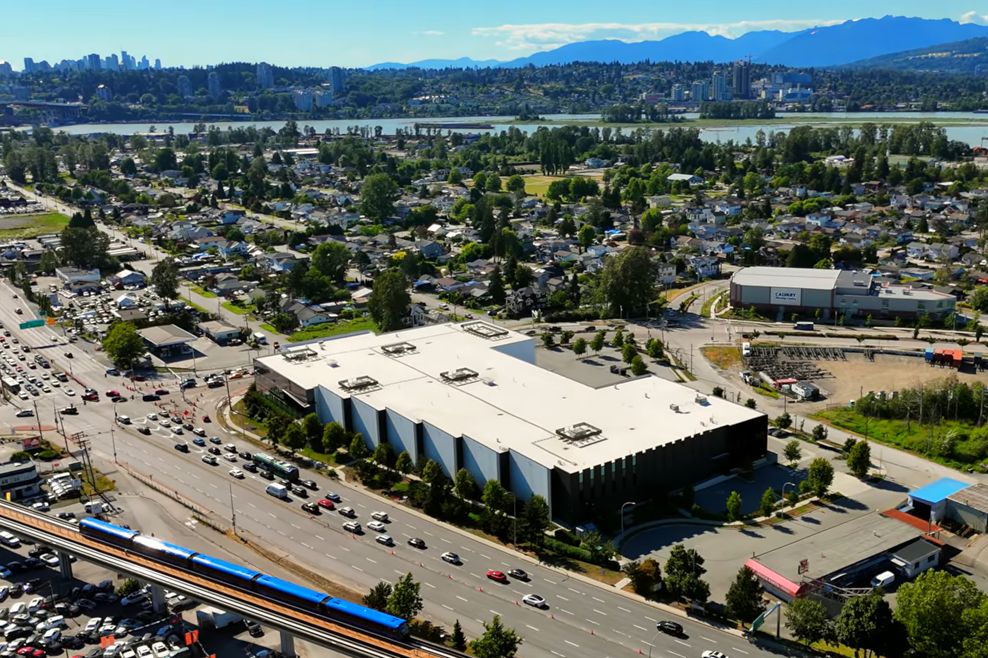
Moment Energy, a Coquitlam-based cleantech company founded by SFU engineering graduates, officially opened Megafactory 1 in Surrey in June 2026, establishing the world's largest facility for repurposing retired electric vehicle batteries. The operation, which took just six weeks from announcement to full operation, transforms used EV batteries into energy storage systems for data centres, hospitals, and microgrids. The company has secured supply-chain partnerships with Nissan North America and Mercedes-Benz Energy, and has raised over US$100 million in funding. By 2030, the facility is expected to produce 1 GWh of battery storage capacity while creating over 100 direct jobs and supporting more than 1,000 indirect positions across British Columbia, backed by a $4.9 million investment from PacifiCan.
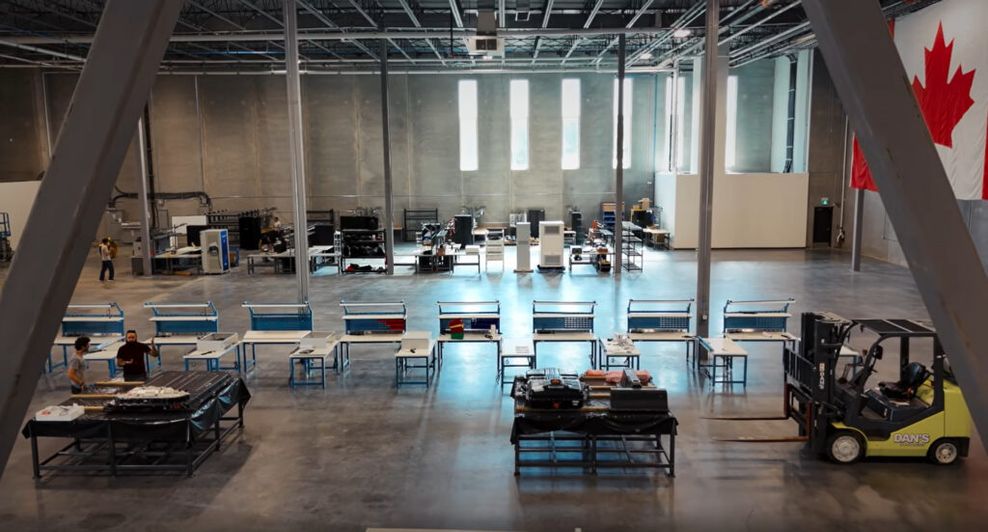
This opening marks a significant milestone for Surrey's industrial landscape and B.C.'s cleantech sector. Founded in 2019 in a Surrey garage by CEO Edward Chiang and three colleagues, Moment Energy represents the type of high-growth, sustainable manufacturing that provincial economic development strategies have been targeting. The facility addresses the accelerating demand for energy storage solutions while solving the logistical challenge of retired EV batteries. Minister of Housing and Infrastructure Gregor Robertson highlighted the project as "homegrown innovation" that strengthens economic resilience. The development aligns with broader Metro Vancouver trends toward green technology and circular economy practices, following recent local initiatives like the Construction Plastics Initiative that diverted 38,000 kilograms of waste from landfills.

Li Yu Commentary
From a senior Greater Vancouver agent's perspective, this Moment Energy announcement validates what we've been observing in Surrey for the past eighteen months: the city's transition from a bedroom community to an actual employment hub. The buyers who benefit most from this news aren't necessarily those rushing to bid on houses tomorrow, but the ones recognizing that Surrey's economic base is diversifying beyond retail and construction. For residential clients, focus on the 1,000 indirect jobs—these are the accountants, logistics coordinators, and service providers who need housing within commuting distance. For commercial clients, the message is about tenant quality and lease security. The six-week ramp-up speed also tells us that when industrial space becomes available in this market, it moves fast. This isn't about hype; it's about understanding that Surrey's real estate fundamentals now include high-growth cleantech manufacturing, which changes the risk profile of holding property there long-term.