
Bank of Canada June 10 Decision: Why Rates Likely Hold Despite Technical Recession—and What It Means for Mortgage Timing
Share
News article poster
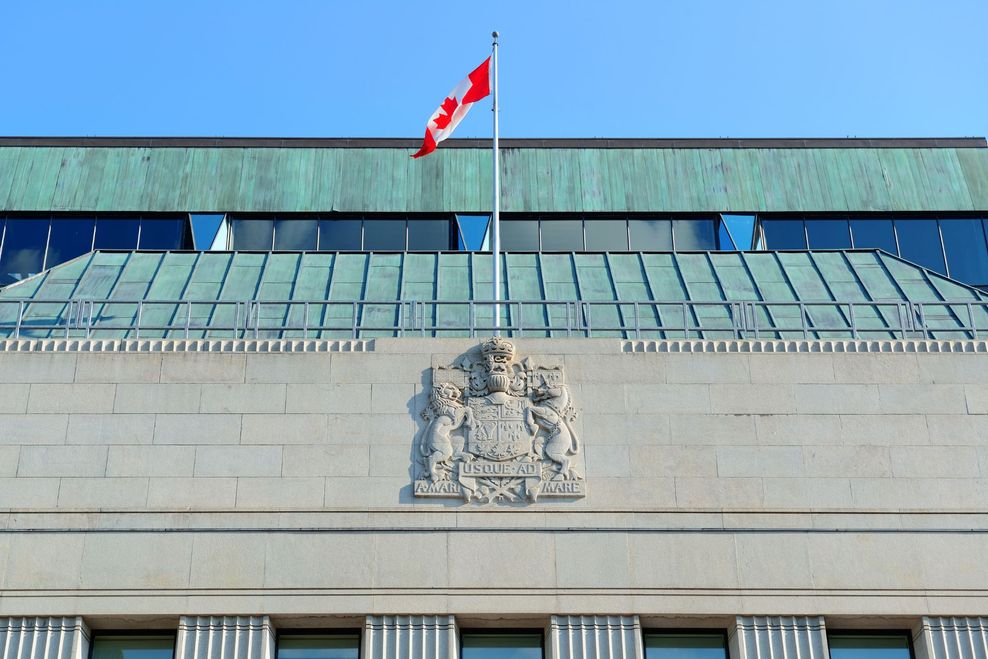
The Bank of Canada is scheduled to announce its next interest rate decision on Wednesday, June 10, 2026, with markets widely expecting the central bank to maintain its overnight rate at 2.25%. This would mark the fifth consecutive hold since October 2025, following the April decision where the governing council cited ongoing uncertainty from the US-Iran conflict and US trade tariffs. Canada has officially entered a technical recession, with GDP contracting over the past two quarters—the first such decline since 2020. However, mortgage experts Clay Jarvis of Nerdwallet Canada and Penelope Graham of Ratehub.ca indicate that the recession alone is unlikely to prompt a rate cut, given the countervailing inflationary pressure from spiking oil prices tied to the Strait of Hormuz closure.

The central bank faces a policy dilemma rarely seen in recent cycles: stimulating a shrinking economy while preventing inflation from reigniting. The April statement noted "little evidence that oil prices have fed through more broadly to goods and services prices," but warned this "warrants close attention." The technical recession reflects broader economic anxiety that has kept many would-be buyers on the sidelines through spring 2026, even as some market data suggests demand is tentatively returning. The Bank has explicitly stated it is willing to "look through" temporary oil price shocks, but the unresolved nature of the Middle East conflict means the threat of future rate hikes lingers if inflation expectations become unanchored.
xiaosong zhang Commentary
From a senior Greater Vancouver agent's perspective, this policy standoff highlights the disconnect between economic headlines and mortgage reality. A technical recession sounds alarming, but it doesn't automatically translate to cheaper money when inflation risks persist. For local clients, the practical takeaway is that rate volatility is now driven more by geopolitical oil shocks than domestic economic cooling. Buyers should secure pre-approvals with rate holds and calculate payments based on current levels, while sellers should recognize that buyer qualification limits are unlikely to loosen soon. The market is transitioning from pandemic-era rate certainty to a period where global events in the Middle East directly impact Vancouver housing affordability.