
World Cup Fever in Kansas City: What 69,000 Fans Mean for Host City Real Estate
Share
News article poster
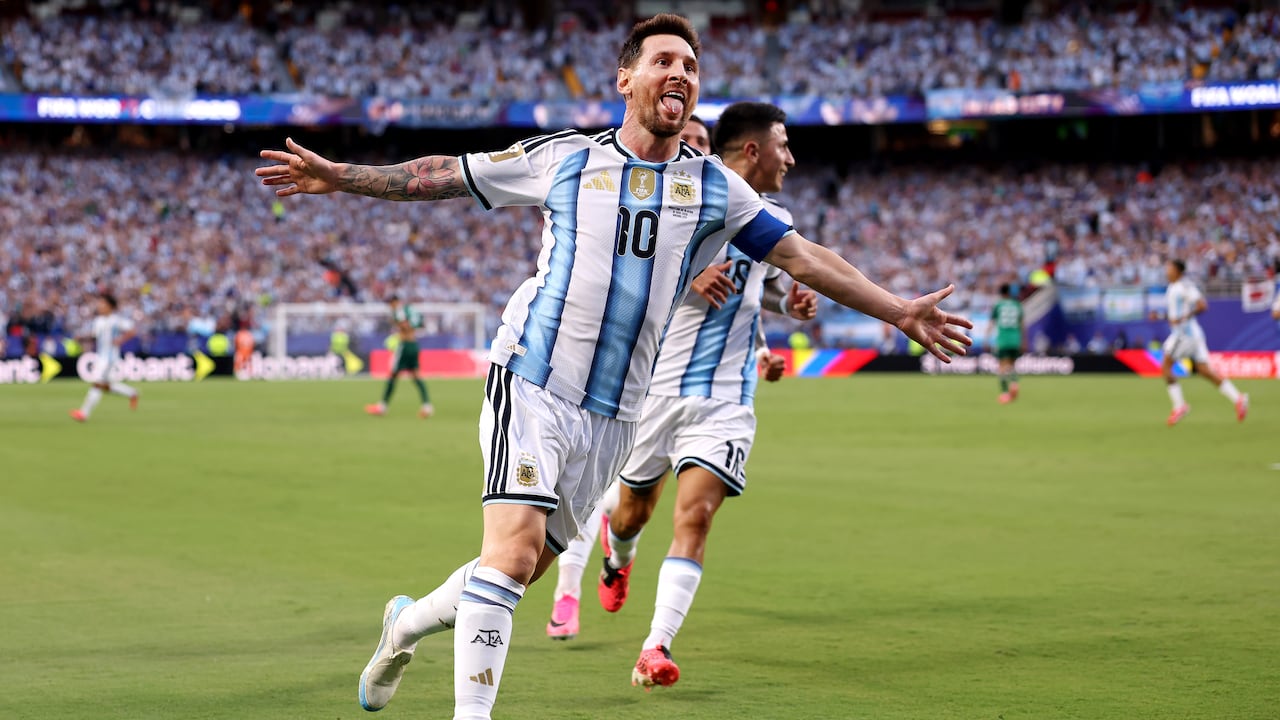
Lionel Messi's emotional hat trick propelled Argentina to a 3-0 victory over Algeria at Kansas City Stadium on June 16, drawing 69,045 spectators to the Missouri venue for the 2026 World Cup Group J opener. The match marked Messi's 200th international appearance and his record-tying 16th World Cup goal, equaling Germany's Miroslav Klose. Argentina's national team has established its base camp in the Kansas City metro area for the tournament, joining three other national squads training in the region. The stadium crowd, described as "tilted heavily" toward Argentina supporters, transformed the home of the NFL's Chiefs into a temporary hub for international soccer enthusiasm, with thousands of fans wearing Messi's No. 10 jersey trekking to the outskirts venue.
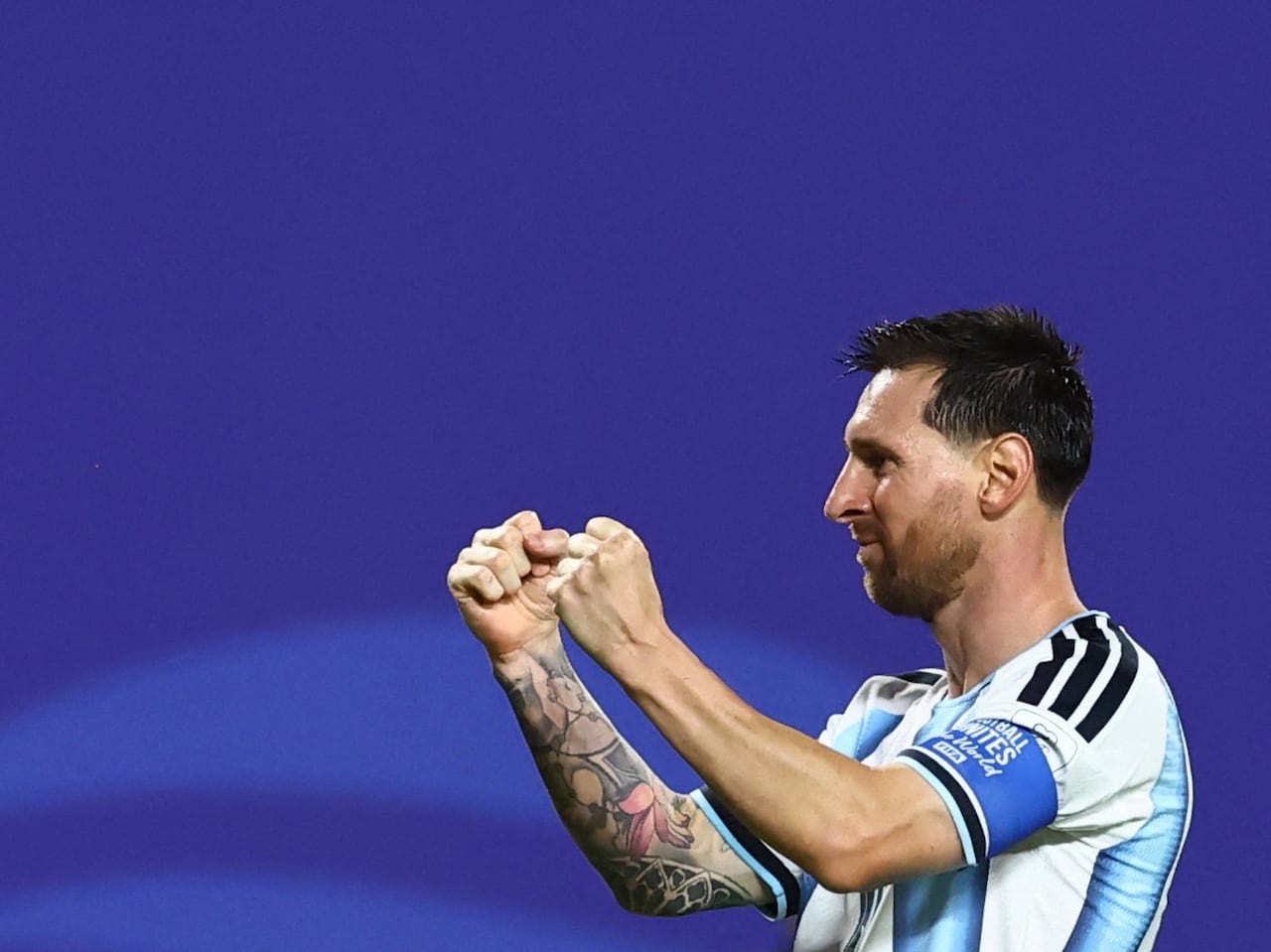

The World Cup opener generated significant regional economic activity beyond the stadium gates. For approximately two weeks prior to the match, "Messi-mania" swept through the Kansas City metro area as Argentina's delegation established its presence, with fans congregating at downtown watch parties including the Power & Light District. The event attracted global media attention and temporary population influx at a scale unusual for the market, which typically hosts NFL and MLB events rather than international soccer tournaments. Former NFL quarterback Jameis Winston appeared at a downtown watch party alongside a goat wearing an Argentina jersey, symbolizing the "Greatest Of All Time" debate surrounding Messi, while thousands of singing supporters created concentrated demand for hospitality and entertainment services in the urban core.
dylan_agent Commentary
From a senior Greater Vancouver agent's perspective, the Kansas City World Cup experience offers a clear case study in event-driven demand mechanics. While the 69,000-fan crowds and Messi-mania create compelling headlines, the real estate impact depends entirely on whether temporary occupancy translates to permanent neighborhood investment. For clients considering pre-sale assignments or rental investments near major venues, the lesson is to verify that infrastructure improvements serve daily community needs beyond tournament dates. Tournament housing demand is real but ephemeral—smart money follows sustained employment growth and transit access, not just championship moments.