
U.S. Crackdown Pushes Cartels North: What Greater Vancouver Border Communities Need to Know Before the Next Headline
Share
News article poster

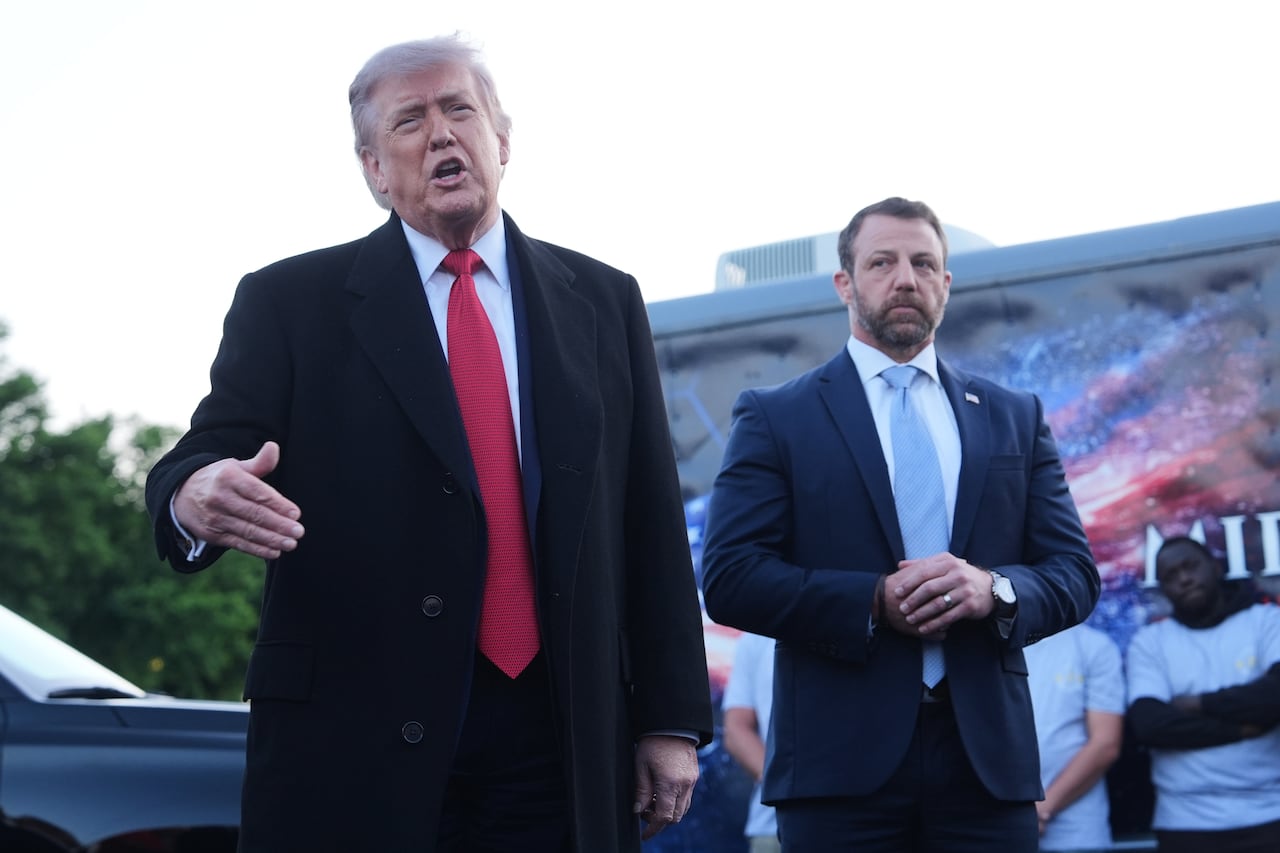
U.S. Secretary of Homeland Security Markwayne Mullin told a Washington, D.C. audience on Wednesday that the Trump administration's crackdown on Mexican drug cartels is pushing criminal activity toward the Canadian border. Speaking at the Center for Strategic and International Studies alongside Canada's Public Safety Minister Gary Anandasangaree, Mullin said law enforcement is seeing increased fentanyl trafficking from Canada and that U.S. authorities arrest someone on the terrorist watchlist "almost weekly" at the northern border. Mullin, who took over the post from Kristi Noem in March, framed the shift as cartels adapting to southern border pressure by seeking new routes. He emphasized the need for stronger U.S.-Canada partnerships to stop the trend before it reaches the scale seen at the Mexico border.
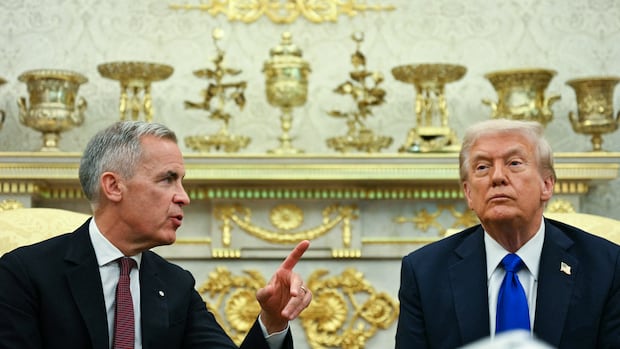
The comments come amid ongoing trade friction and security rhetoric from the Trump administration, which has repeatedly identified the Canadian border as a point of contention. Mullin acknowledged that the cartels "don't just go away" and that existing demand forces them to explore new corridors. However, his claim of "lots more" drug trafficking from Canada over the past year sits awkwardly against U.S. Customs and Border Protection data showing only six pounds of fentanyl seized at the northern border during the first seven months of the current fiscal year, compared with 77 pounds across the entire 2025 fiscal year. Anandasangaree countered by highlighting Canada's border security plan, which he said has produced a significant reduction in irregular migration and drug trafficking over the past 18 months.
dylan_agent Commentary
From a senior Greater Vancouver agent's perspective, this is another round of border noise that sounds dramatic in Washington but rarely reshapes local block-by-block value. South Surrey and White Rock have weathered tariff threats, pandemic closures, and currency swings without losing their core appeal to families seeking larger lots and milder weather north of the border. The practical point is to separate election-cycle rhetoric from infrastructure reality. If crossing times spike for three consecutive months, that affects commuter buyers and industrial rents. Until then, keep your eye on inventory levels and mortgage qualifying rules—they will move prices far more than a Homeland Security speech.