
Union-Organized California Callers Flood Vancouver Housing Hearings: Mayor Demands Residency Ban as Major Rezonings Pile Up
Share
News article poster
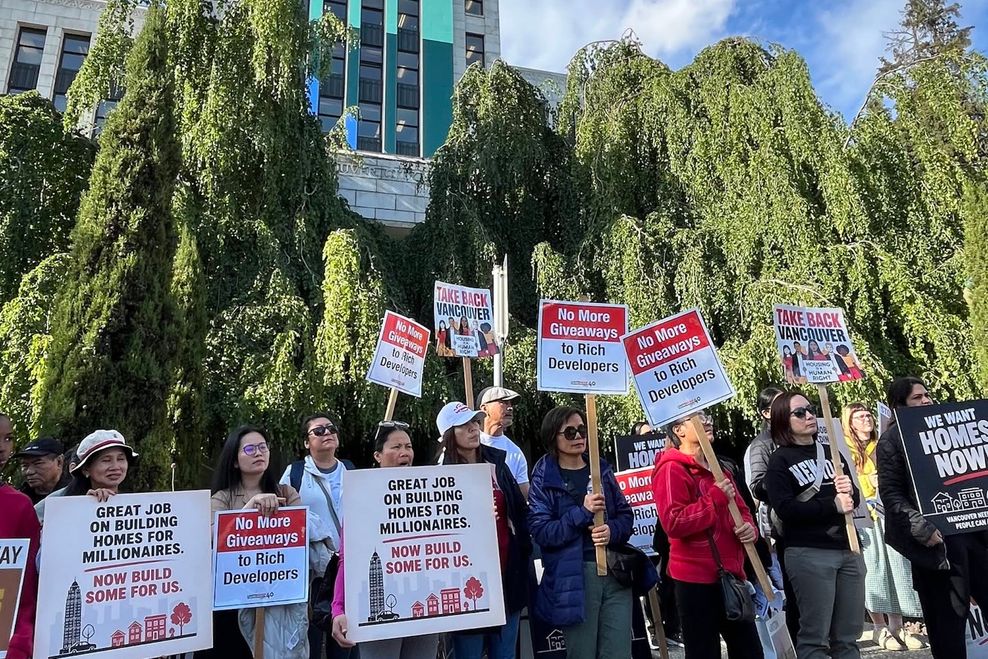
Vancouver Mayor Ken Sim sent an urgent letter to Premier David Eby and Municipal Affairs Minister Christine Boyle on July 23, asking the province to amend the Vancouver Charter so that only Canadian residents can register to speak at City Council public hearings. The request follows an unusually grueling hearing on the City’s Villages Plan, which ran from 9:30 a.m. on July 22 until nearly 1 a.m. the next day to accommodate more than 340 registered speakers. During the session, councillors questioned Cristina Melendez, a caller who admitted she was in California and had never visited Vancouver, yet was weighing in on local densification policy. When asked to explain development cost levies referenced in her remarks, she fell silent for six seconds before coughing, prompting elected officials to scrutinize the credibility and origin of several testimonies.
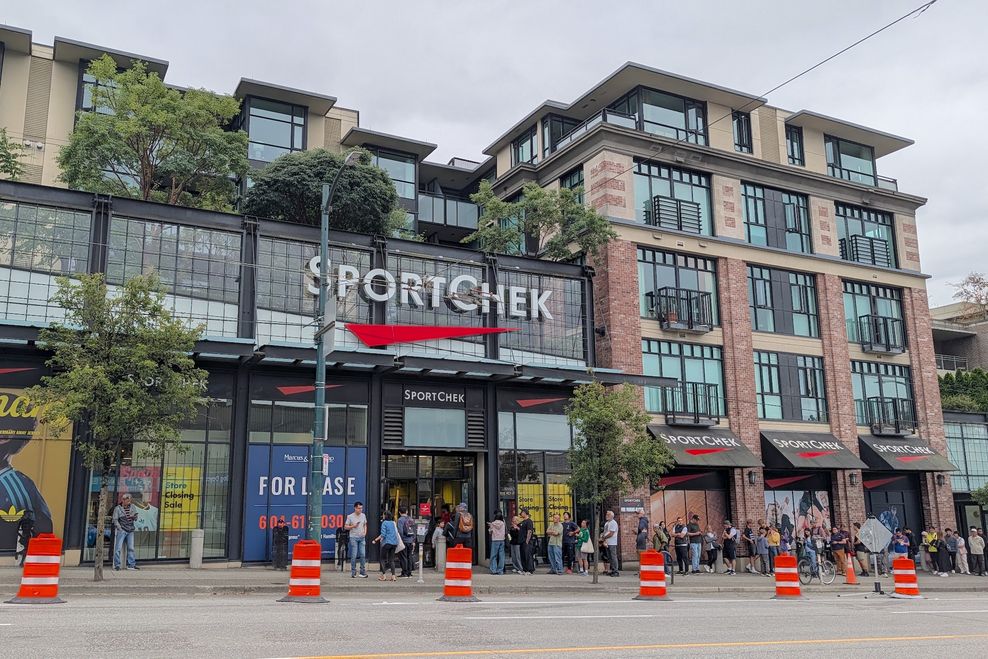
The controversy centres on suspected filibuster tactics and organized outside interference. Unite Here Local 40, a major B.C. hotel and hospitality union, reportedly asked its American counterparts to call into the hearings, according to the Vancouver Sun. The union has aggressively opposed new hotel proposals—including a court petition against a 250-room floating hotel at the Vancouver Convention Centre—to protect workload at existing unionized properties. Some speakers used translators to secure double speaking time under City rules, despite having previously spoken English, and at least one translator admitted not actually speaking the source language. These hearings decide critical land-use changes, from the Villages Plan’s 17 neighbourhood density hubs to the Molson Coors brewery site and Holborn Group’s proposed supertall tower at the Hudson’s Bay parkade, making procedural delays a direct concern for future supply.

Dimitri Alexander Tonkonogy Commentary
From a senior Greater Vancouver agent’s perspective, this is more than a City Hall spectacle—it is a supply-chain warning. When public hearings are used as filibuster tools, the gap between rezoning application and occupancy widens, and that friction cost eventually surfaces in pricing or cancelled projects. Buyers interested in Village Plan areas should treat density as probable but not immediate, and should confirm the exact status of block-level bylaws before paying a premium for future development potential. Investors near major hospitality or mixed-use sites should note that Vancouver’s tourism infrastructure is underbuilt, yet the political path to building it has turned hostile. The key is not to panic, but to ask whether the specific projects on your street are advancing or stalling.