
Carney Floats B.C. Housing Fee Cuts: What Developers—and Buyers—Should Watch Next
Share
News article poster
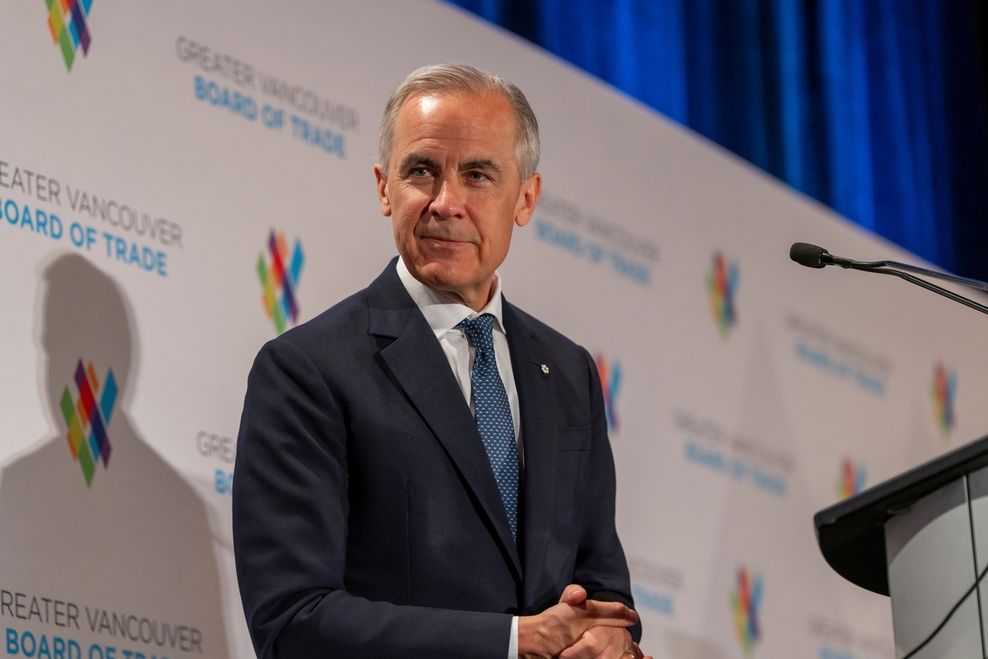
Prime Minister Mark Carney used his May 21 address to the Greater Vancouver Board of Trade to signal that Ottawa wants B.C. to join Ontario in temporarily slashing municipal development charges on new housing. Carney confirmed the federal government is in "early stages of discussion" with the provincial government around a partnership that would mirror Ontario's recent agreement, where both federal and provincial governments each committed $4.4 billion to backfill municipal infrastructure funding while cutting development fees by up to 50% for three years. The Prime Minister cited Ontario's model as reducing project costs by approximately $200,000 per unit, calling it "material improvement in affordability" and "structural change" rather than temporary relief.

The context matters for Metro Vancouver's strained development pipeline. Vancouver Mayor Ken Sim had publicly called for exactly this kind of federal-provincial deal in early April, warning that rising construction costs, interest rates, and municipal fees were pushing an increasing number of projects toward pause or cancellation. Development charges in B.C. municipalities have faced upward pressure from inflation, population growth, and aging infrastructure demands. While some municipalities including Vancouver and Surrey have already introduced limited fee reductions or flexibility, the Ontario-style comprehensive approach would represent a far more significant intervention in project economics—particularly for rental and purpose-built affordable housing where margins are thinnest.

Diane To Commentary
From a senior Greater Vancouver agent's perspective, Carney's speech is less a done deal than a negotiating position. The "early stages" language gives everyone—buyers, sellers, developers—months of uncertainty before any B.C. agreement crystallizes. What stands out is the $200,000 figure: that's real money in a market where pre-sale projects have been repricing or pausing due to cost overruns. For clients, the practical point is not to delay decisions waiting for fee cuts that may arrive late or with complex eligibility rules, but to use this as a conversation starter with builders about their cost assumptions. The deeper story is Ottawa's urgency: Carney needs B.C. cooperating on energy and housing to execute his national strategy, which means housing policy is now tied to larger economic bargaining. Watch the Eby-Carney meeting outcomes and any provincial budget signals more than the federal speech itself.