
New Westminster Becomes First in Metro Vancouver to Mandate Landlord Cooling: Rentals Must Stay Below 26°C
Share
News article poster
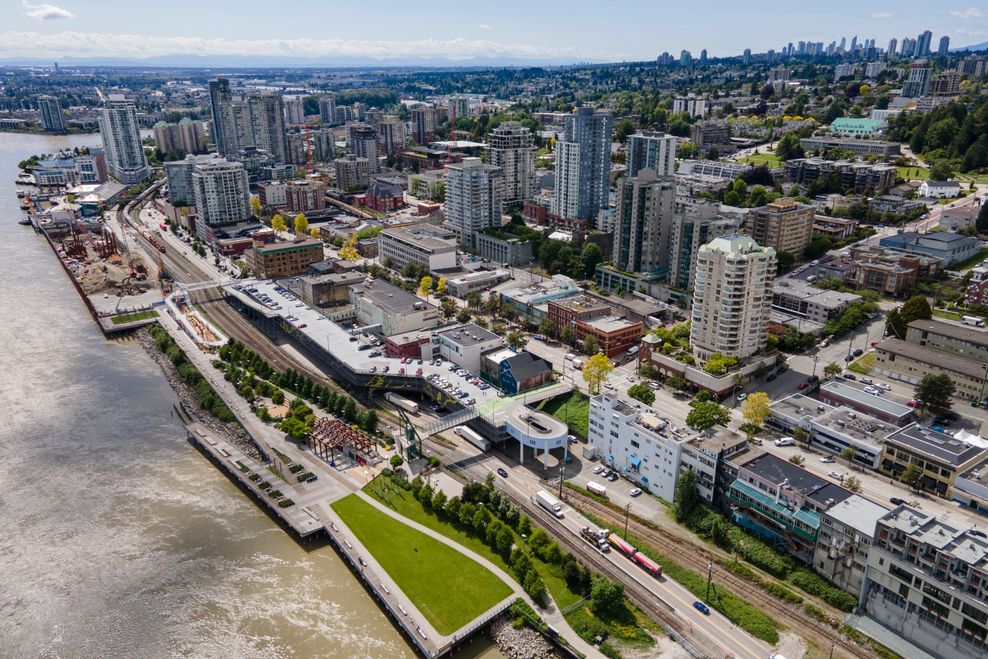
On June 8, 2026, New Westminster City Council officially passed an amendment requiring landlords and property owners to prevent occupied rental units from exceeding dangerous heat levels. The bylaw mandates that at least one living space in each rental unit must be maintained at or below 26°C between the hours of 8 p.m. and 8 a.m., covering the period from April 1 through October 31. This regulatory change follows the catastrophic 2021 heat dome, during which 619 British Columbians died from heat-related causes, including 33 deaths in New Westminster alone. While the BC Building Code now requires cooling systems in new residential construction, this bylaw specifically targets the existing rental stock that remains vulnerable to extreme temperatures.
The legislation reflects New Westminster's progressive stance on tenant rights and climate adaptation. Councillor Nadine Nakagawa emphasized that the city anticipates more frequent heat dome events in coming years, noting that during the 2021 emergency, most fatalities occurred in older rental buildings where residents had no escape from indoor heat. The municipality, where approximately 45 percent of residents are tenants, had already implemented a 2025 bylaw preventing landlords from prohibiting portable cooling devices. This latest amendment shifts responsibility squarely onto property owners to provide adequate cooling solutions, marking a significant evolution in housing safety standards for the region's aging rental inventory.

Cecilia Xie Commentary
From a senior Greater Vancouver agent's perspective, this bylaw signals a fundamental shift in how we evaluate rental property fundamentals. New Westminster is treating climate resilience as a housing right rather than an amenity, which will likely spread to other municipalities. For sellers of older rental stock, expect buyers to discount offers based on cooling upgrade costs. For investors, this creates a two-tier market: compliant buildings commanding premium rents versus non-compliant assets facing obsolescence. The key is not to panic-sell, but to treat cooling audits as standard due diligence now required in this market. Watch whether Vancouver, Burnaby, and Richmond follow suit—if they do, this becomes a regional baseline rather than a local anomaly.