
Court Blocks Richmond's Largest Landowner: 800 Acres of 'Defective' Fee-Simple Titles Locked in Limbo for 18 More Months
Share
News article poster
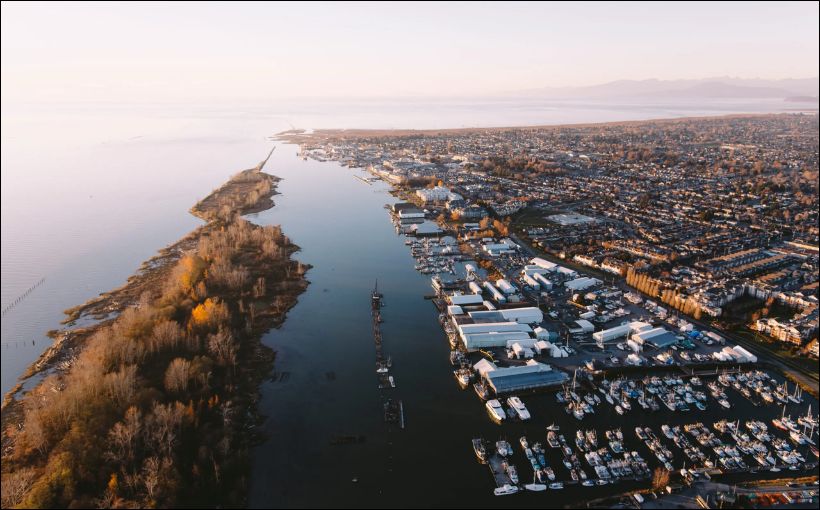
B.C. Supreme Court Justice Barbara Young has shut down Montrose Properties' bid to reopen the Cowichan Aboriginal title litigation, labeling the attempt "an abuse of process for relitigation." The July 7 decision upholds last August's landmark 863-page ruling that recognized the Cowichan Nation's Aboriginal title over roughly 800 acres in Richmond—including areas where Montrose holds major commercial assets like a Coca-Cola bottling plant and a Canadian Tire depot. The court found that the Crown's historical granting of fee-simple titles had "unjustifiably" infringed on Cowichan rights, declaring current private ownership in the affected zone "defective and invalid" while suspending enforcement for 18 months to allow negotiations between the First Nation, federal government, and City of Richmond.
The denial represents a significant setback for Montrose, which ranks as the largest single landowner in the title-claimed territory and had argued it was unfairly excluded from the original 500-day trial—the longest in Canadian history. Justice Young ruled that Montrose knew of the proceedings but deliberately waited until after the judgment to seek party status, warning that allowing late intervention would "open the floodgates" for other commercial interests to derail Aboriginal title litigation through delay tactics. While the Cowichan Nation has stated it does not intend to invalidate existing private ownership or seize lands, the ruling creates a cloud over fee-simple certainty in one of Metro Vancouver's key industrial corridors, with property tax expert Paul Sullivan noting the decision has already "decimated property values" in the affected area where his clients represent over half of owners.
Question

Bahar Abyar Commentary
From a senior Greater Vancouver agent's perspective, this case introduces a new layer of title due diligence that didn't exist five years ago. For Richmond industrial owners specifically, the 18-month clock is the critical variable—transactions can still happen, but only with legal teams who understand Aboriginal title litigation. The key insight isn't that values will collapse, but that liquidity will become patchy. Buyers with cash or flexible capital sources may find motivated sellers among owners who lack stomach for the uncertainty, while long-term holders should engage with Cowichan Tribes now rather than waiting for the suspension to expire. This is a market segmentation moment: properties inside the 800 acres trade on different fundamentals than identical warehouses three blocks away.