News
Published brokerage updates and market posts.
News
Published brokerage updates and market posts.
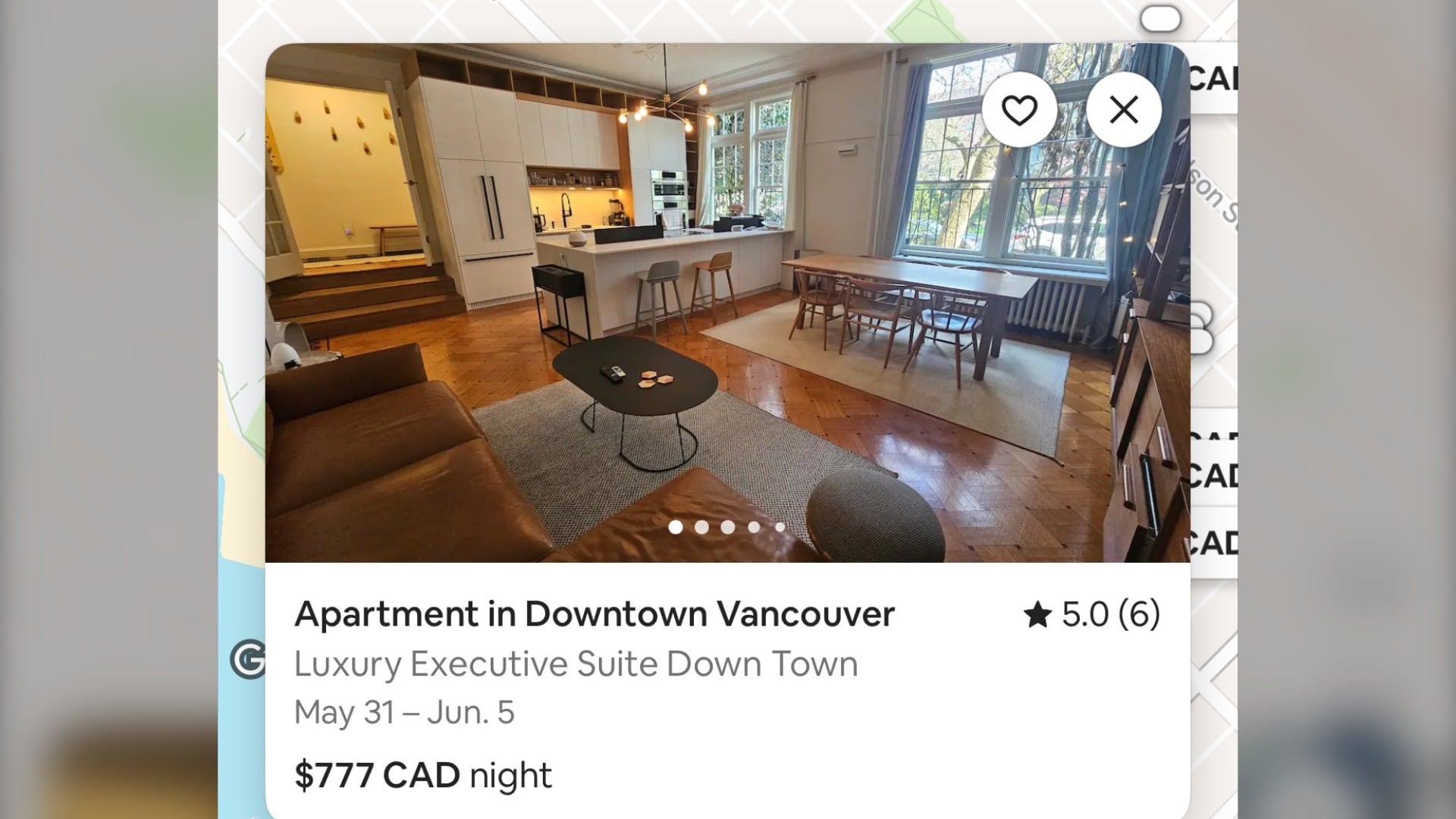
The B.C. Financial Services Authority has issued multiple alerts about Matthew Kuras, a former licensed agent accused of renting Vancouver properties under false pretences and listing them on Airbnb without owner consent, exposing gaps in tenant screening even when credentials check out.
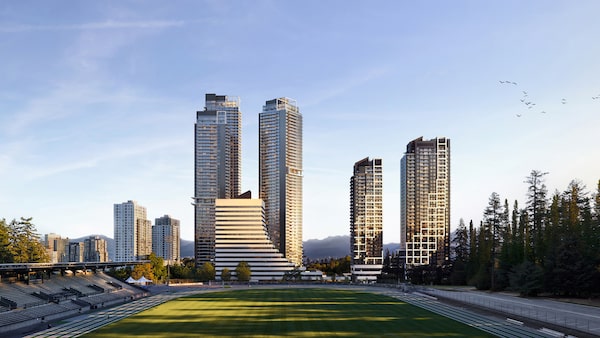
The 50-year-old 'Telus Boot' office tower at 3777 Kingsway is being restored as the centerpiece of King & Park, a 6.6-acre mixed-use community adding 2,500+ homes near the Central Park District. With Phase 1 rentals targeting 2030 completion and potential SkyTrain station discussions resurfacing, the project tests Burnaby's appetite for complex infill development while creating a distinct alternative to Metrotown's density.
Townline Homes CEO Rick Ilich is proposing a compromise to Canada's foreign buyer ban: allow foreign capital back into Metro Vancouver's stalled condo market only if units are professionally rented for five years, a pitch designed to revive construction financing while addressing housing minister Christine Boyle's affordability concerns.
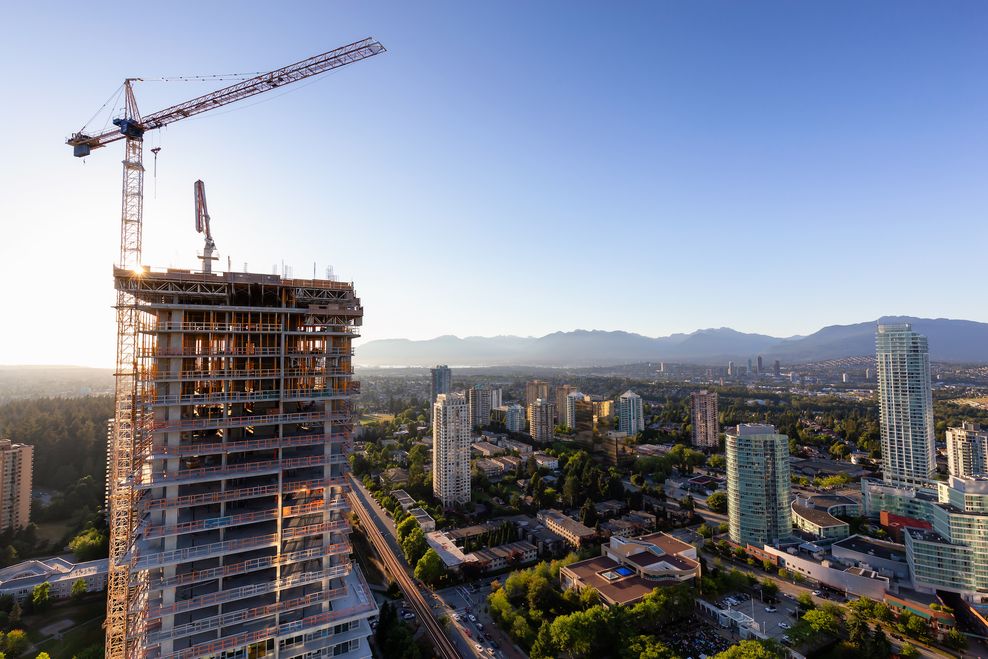
All eight stations of the $5.7-billion Surrey-Langley SkyTrain extension are now under active construction with rail installation beginning, keeping the project on track for a late 2029 opening that will cut commute times from Langley to King George Station from 45 minutes to 22 minutes.
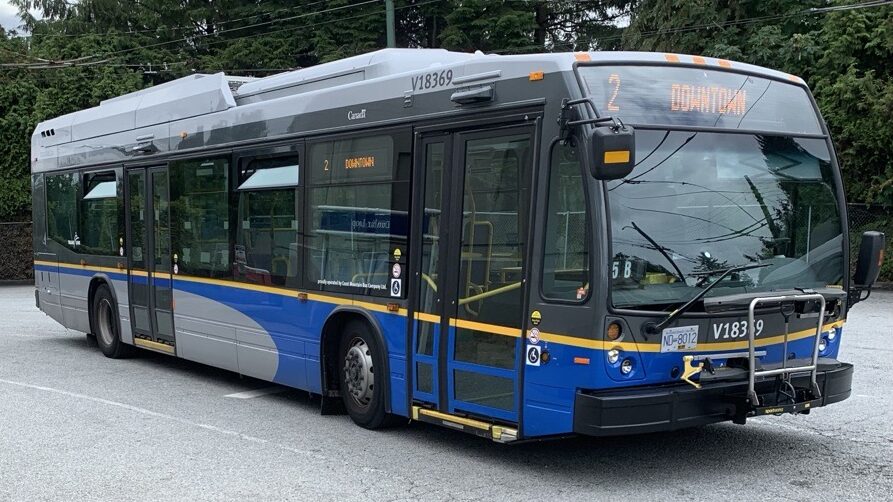
TransLink's Coast Mountain Bus Company has reached a tentative agreement with Unifor Locals 111 and 2200, preventing a strike by 5,000 bus drivers and transit workers during Vancouver's FIFA World Cup hosting period. The deal ensures continued transit service across Metro Vancouver while the city experiences an 18% surge in ridership, protecting property accessibility values in transit-dependent neighborhoods.
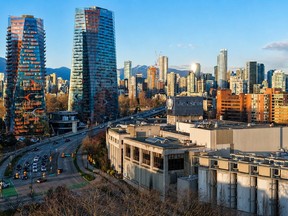
Concord Pacific's former Molson brewery site at 1550 Burrard Street has cleared a key hurdle as Vancouver council applies to Metro Vancouver to convert the 2.5-block industrial property to mixed-use urban development, potentially delivering the grocery stores, tech offices and amenities that the neighbouring Sen̓áḵw development lacks.
The Saw Creek wildfire has forced evacuation orders for 15 Lytton properties and closed 115 km of Highway 1 just days before the fifth anniversary of the 2021 inferno that destroyed the town, forcing buyers and owners to confront the ongoing insurance, access, and climate risks of Interior BC real estate.

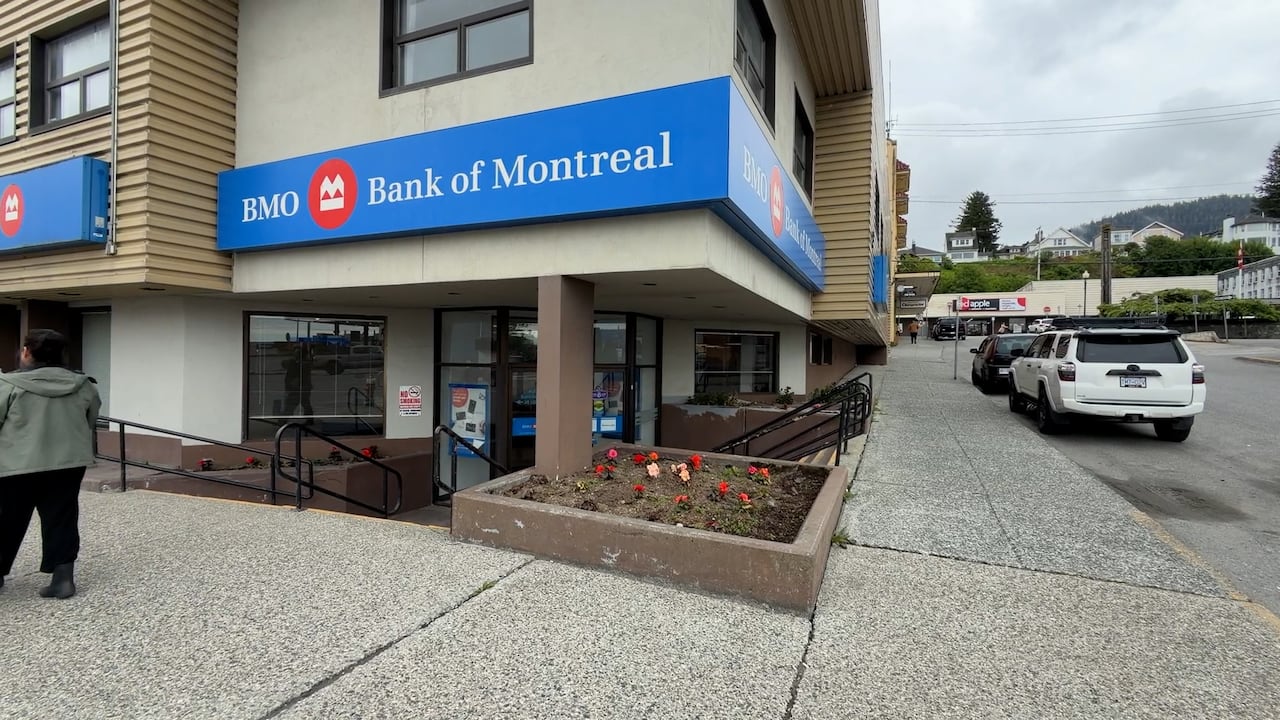
The Bank of Montreal closed its Prince Rupert branch on June 19, forcing customers to drive 90 minutes to Terrace or switch to online banking, highlighting a growing infrastructure gap in BC's resource communities that poses specific risks for Lower Mainland investors eyeing northern properties.
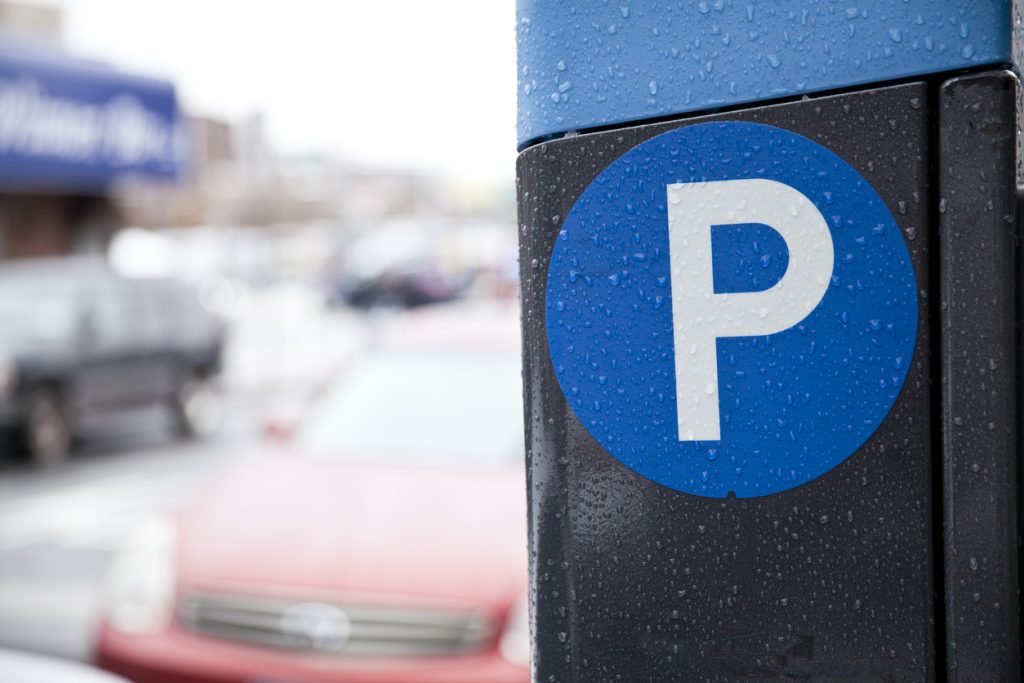
The City of Vancouver has warned that fraudsters are placing fake QR codes on parking meters and sending phony fine notices by text, creating new daily risks for drivers who depend on street parking. For buyers, renters, and investors evaluating properties without dedicated stalls, the scam adds a fresh layer of friction to the true cost of living in dense Vancouver neighbourhoods.
StubHub and SeatGeek cancelled World Cup and concert tickets hours before events when resellers found higher-paying buyers, exposing the fragility of secondary market guarantees. For Vancouver real estate buyers considering assignment sales or pre-sale contracts, the fiasco offers a sharp lesson in due diligence and the gap between platform promises and seller incentives.

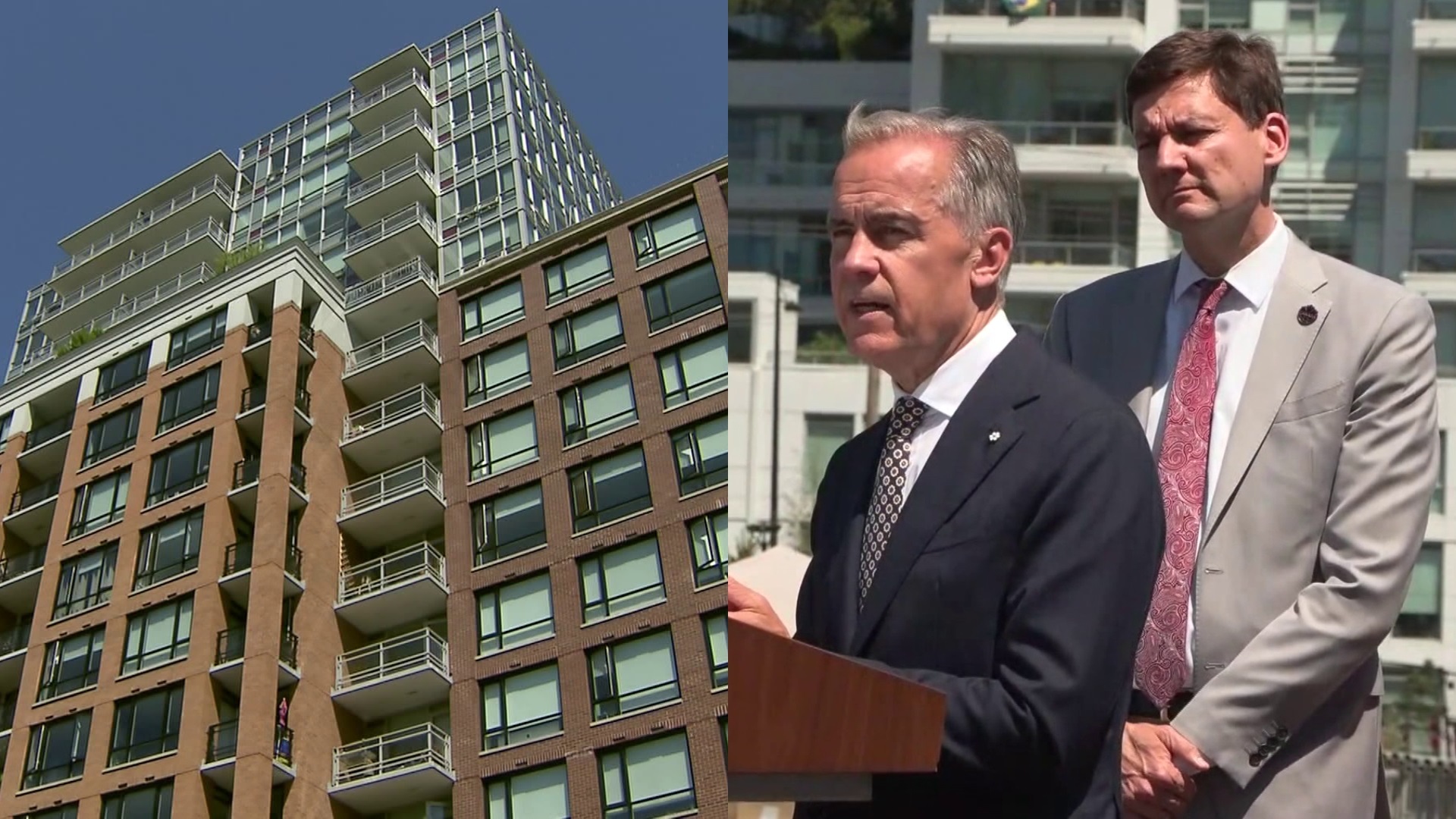
On June 18, Prime Minister Carney and Premier Eby announced a decade-long $5 billion partnership that cuts multi-unit development charges by up to 50%, converts 2,200 vacant condos to affordable housing, and locks in $2.5 billion for the Surrey-Langley SkyTrain extension—directly affecting pre-sale pricing, rental supply timelines, and transit-oriented land values across Metro Vancouver.
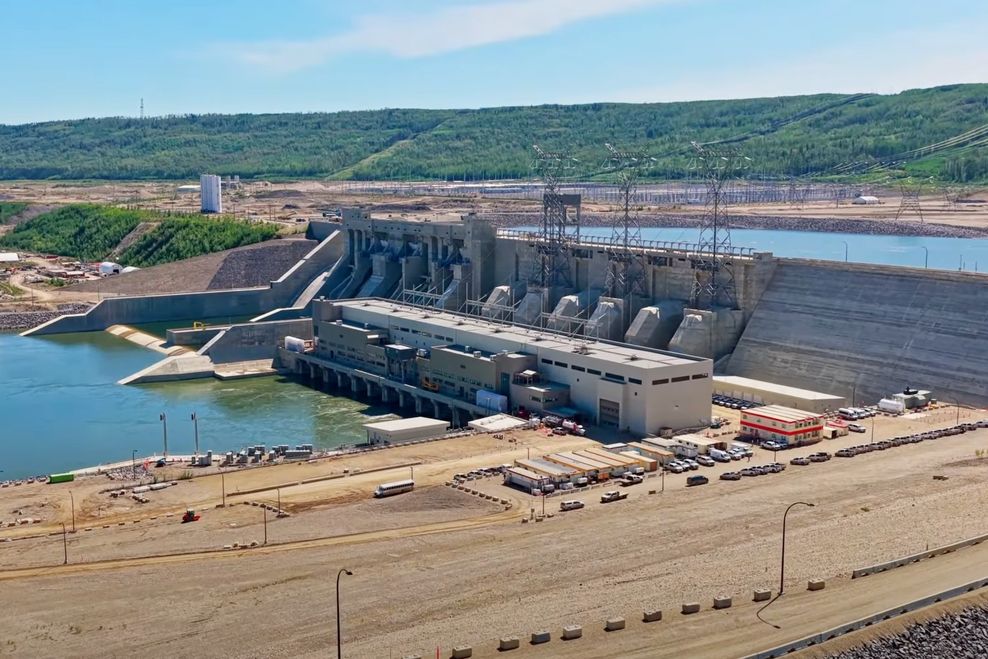
BC Hydro is exploring two massive new hydroelectric projects—Site E on the Peace River and a multi-dam complex on the Homathko River—to meet electricity demand forecasted to jump 50% by 2050. For real estate investors and developers, the proposals signal where industrial growth and transmission infrastructure may concentrate over the next two decades, while highlighting the urgency of electrification costs for new housing.