News
Published brokerage updates and market posts.
News
Published brokerage updates and market posts.
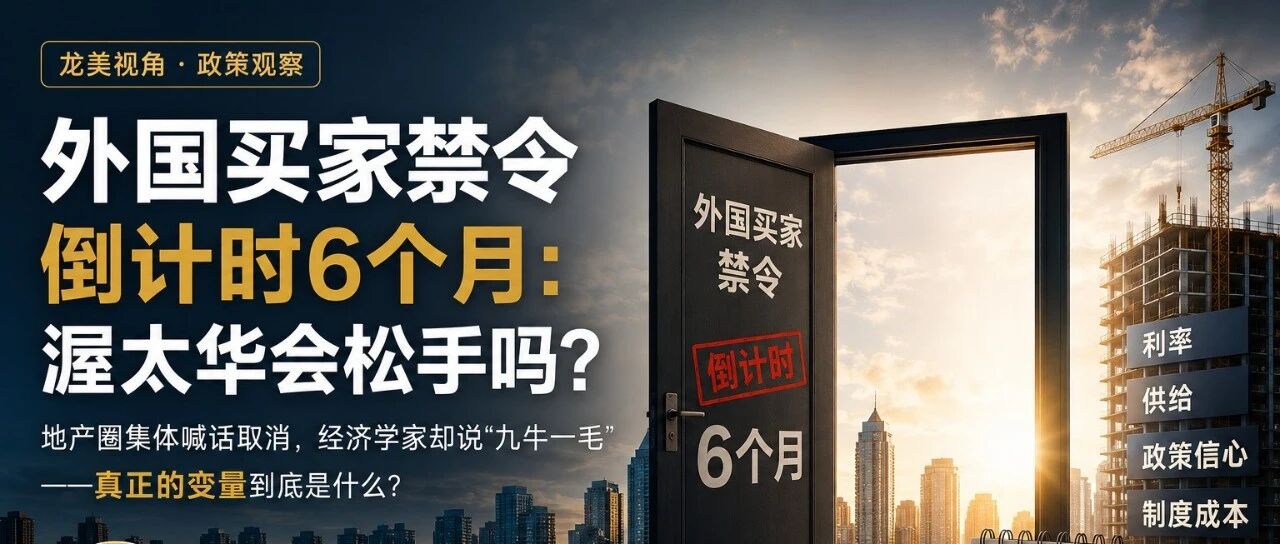
With less than six months until the federal Prohibition on the Purchase of Residential Property by Non-Canadians automatically expires on January 1, 2027, Vancouver buyers and developers are watching whether Ottawa will let it lapse, adopt an Australia-style new-build exemption, or extend it again. While economists like BMO’s Robert Kavcic argue the ban’s market impact has been marginal compared to provincial foreign-buyer taxes and interest rates, industry leaders including Beedie, Polygon and Cressey warn that extending it would deepen developer financing stress, and local agents note the real signal will be felt in pre-sale inventory and policy confidence rather than an immediate flood of overseas capital.
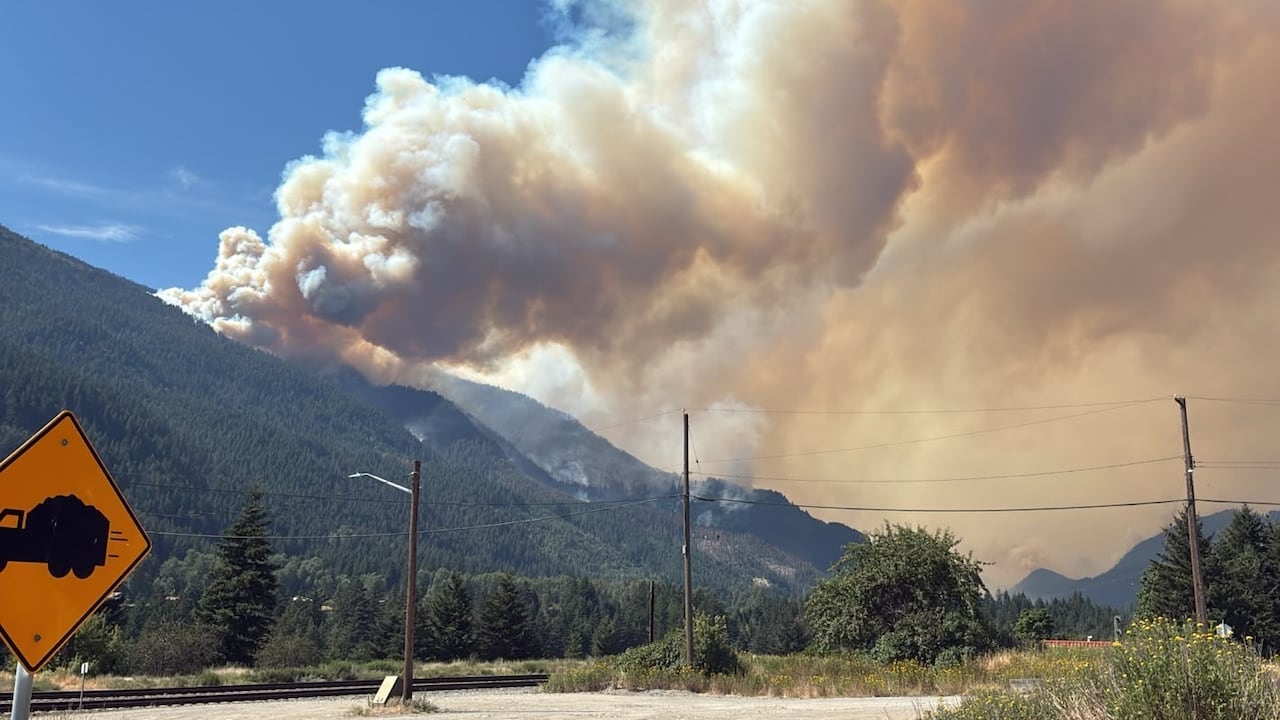
The Brunswick Creek wildfire has prompted a third evacuation order near Boston Bar, B.C., affecting the Boston Bar First Nation's IR 2 Kopchitchin area, while two previous orders remain in effect for North Bend and Boothroyd Indian Band. For buyers and owners of Fraser Canyon recreational properties and rural land, the 12.3-square-kilometre human-caused fire highlights escalating climate risks and insurance challenges that are reshaping due diligence requirements in BC's interior corridors.
Greater Vancouver home sales rose 9.6% year-over-year in June 2026 across all housing types for the first time in years, while new listings declined 6% and total inventory stabilized at 17,017 properties, suggesting the prolonged buyer's market may be approaching a transition point.
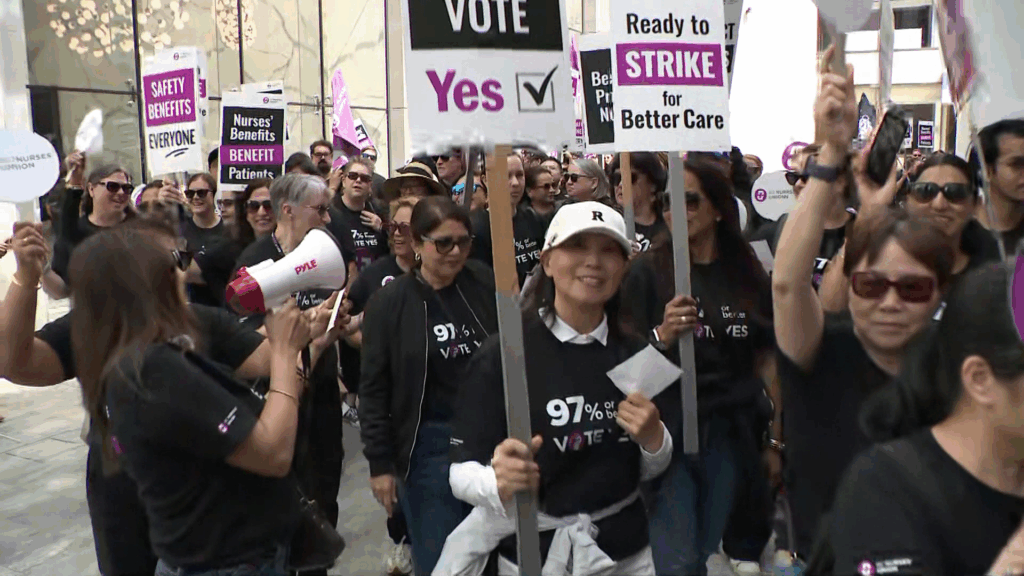
BC Nurses' Union members established picket lines at Vancouver General Hospital Tuesday as contract negotiations stall, with escalation planned for Surrey Memorial Hospital Thursday, raising practical questions about housing demand stability in Vancouver's major medical employment corridors.
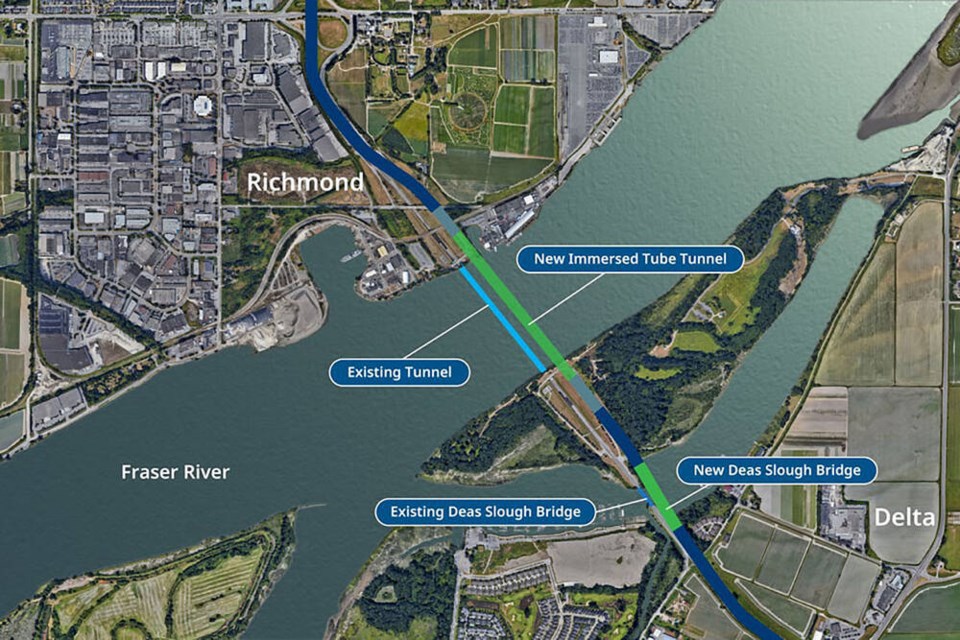
The George Massey Tunnel replacement budget has doubled to $8.5 billion with completion pushed to September 2031, leaving Richmond, Delta and Ladner commuters facing at least five more years of congestion while the province resets its procurement strategy following the cancellation of its previous construction contract.
Richmond has secured $200,000 in provincial funding to streamline development approvals, joining 56 municipalities in a $9 million program aimed at cutting red tape. For a market where pre-sale timelines and rental supply bottlenecks often trace back to municipal processing delays, this signals where the city is prioritizing efficiency—but also raises questions about which projects actually get fast-tracked.
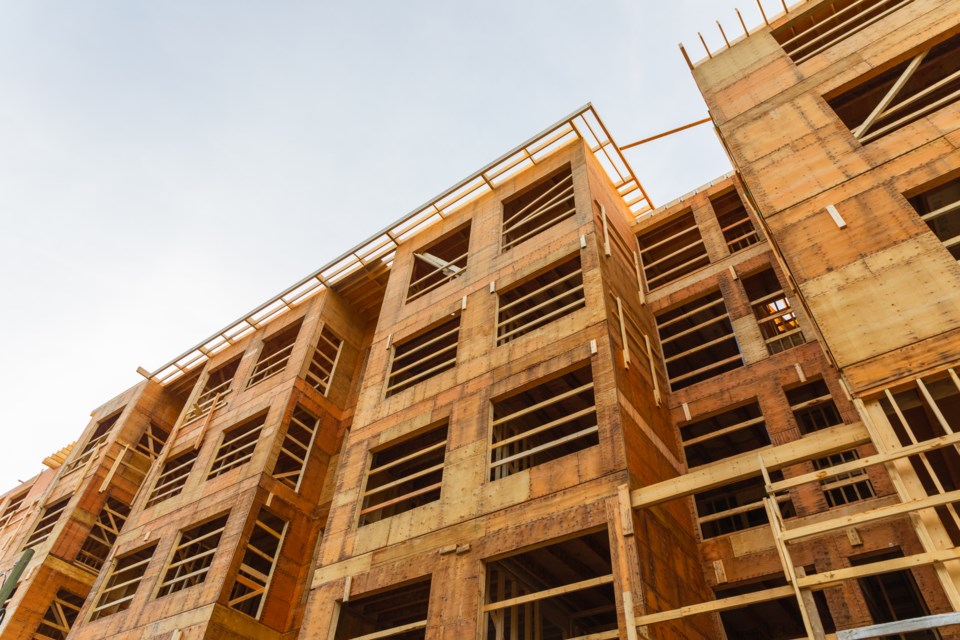
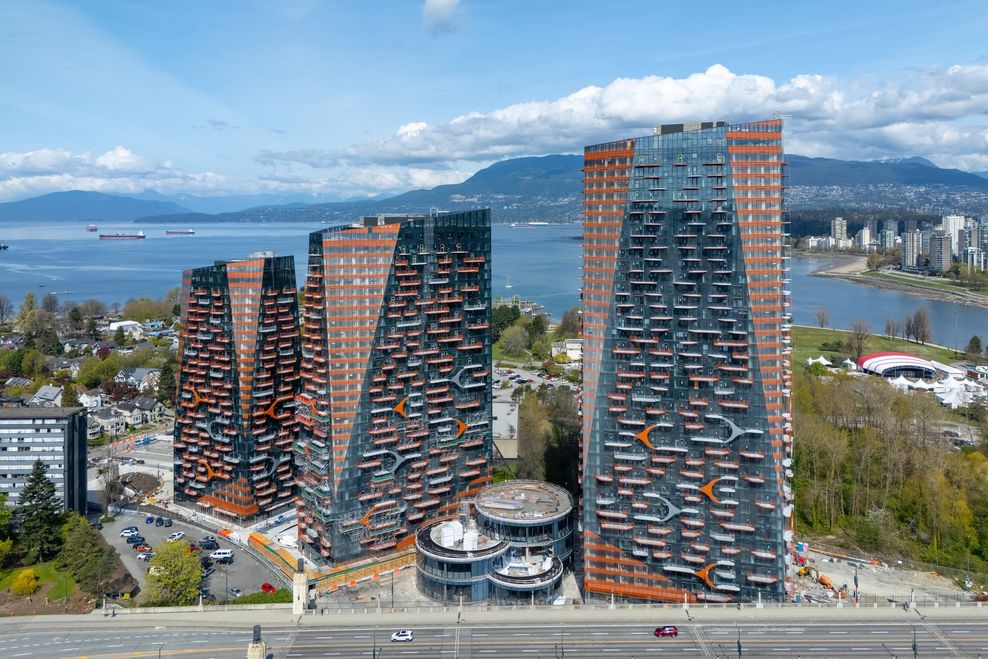
Senakw's first tower began leasing in June 2026 with rents ranging from $1,735 to over $9,000, sparking criticism about affordability despite the project securing nearly one-third occupancy within weeks in a softening rental market.
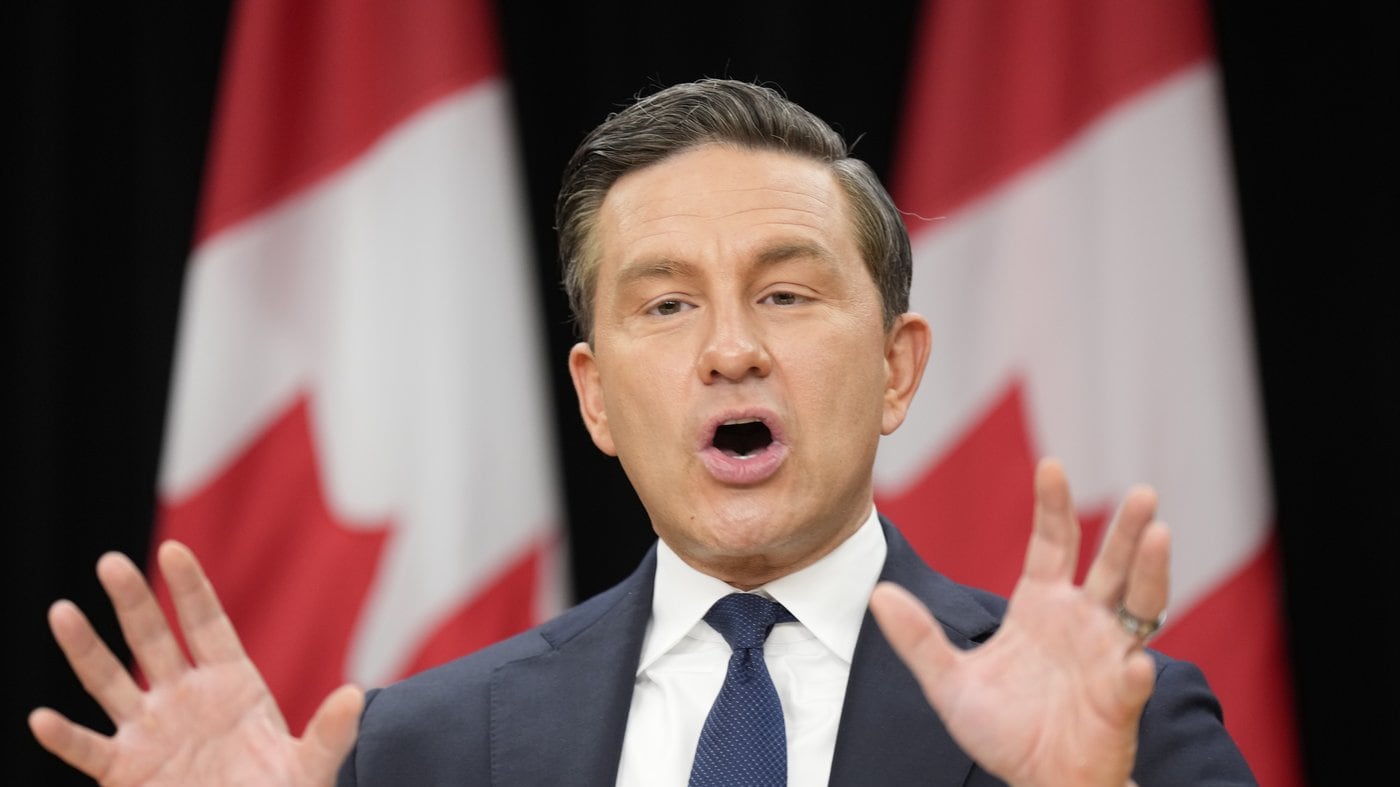
Conservative Leader Pierre Poilievre has called for a parliamentary ethics probe into Ottawa's proposal to convert 2,200 vacant B.C. condos into affordable housing through a $1.45 billion rent-to-own program, as new data shows Metro Vancouver holds 4,376 unabsorbed apartment units. The political battle over whether this constitutes a developer 'bailout' blocking market correction creates immediate uncertainty for condo buyers, sellers, and investors weighing inventory glut against policy intervention.
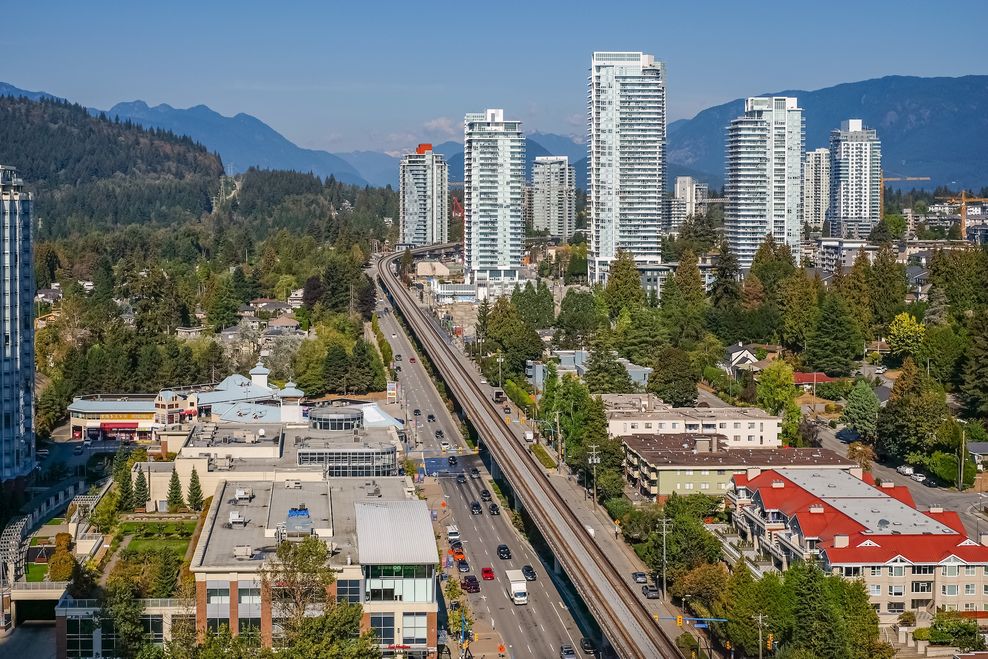
Home sales across Greater Vancouver and the Fraser Valley rose in June 2026, with Metro Vancouver seeing its strongest year-over-year gain since the rate hikes began, yet benchmark prices continued falling across all property types, creating a high-inventory buyer's market that has sellers and investors waiting for a floor.
Ottawa has committed up to $3 billion to replace the aging Massey Tunnel, two weeks after B.C. fired the original contractor over ballooning costs that may now reach $11 billion. For South Delta homeowners and investors, this federal backing signals the critical artery will eventually get built—but the timeline and cost overruns create a complex window for real estate decisions.
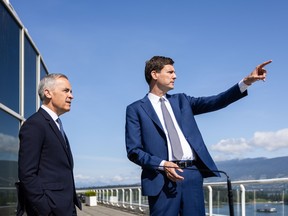
Moment Energy has opened the world's largest EV battery repurposing facility in Surrey, creating over 1,000 jobs and signaling a major shift in Metro Vancouver's industrial base. For real estate, this validates Surrey's transition from bedroom community to high-tech employment hub, with specific implications for housing near industrial corridors and commercial property valuations.
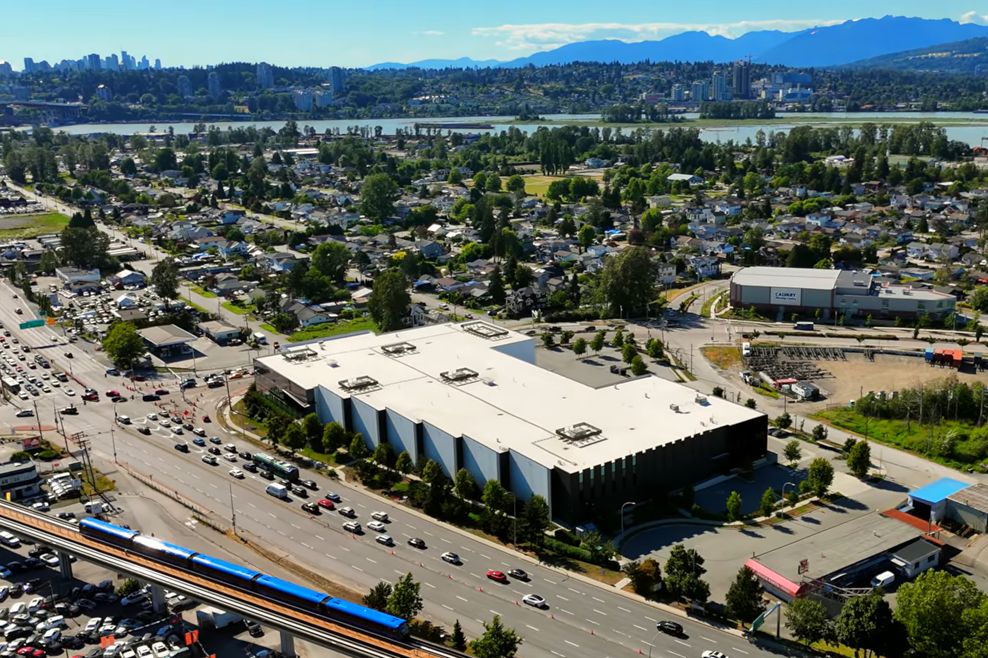
B.C. developers through the Urban Development Institute are pushing back against provincial proposals to purchase unsold condo inventory, preferring instead the removal of GST or direct purchase price subsidies. This policy divergence signals important implications for pre-sale buyers and investors watching new construction liquidity and completion risks across Greater Vancouver.


