News
Published brokerage updates and market posts.
News
Published brokerage updates and market posts.
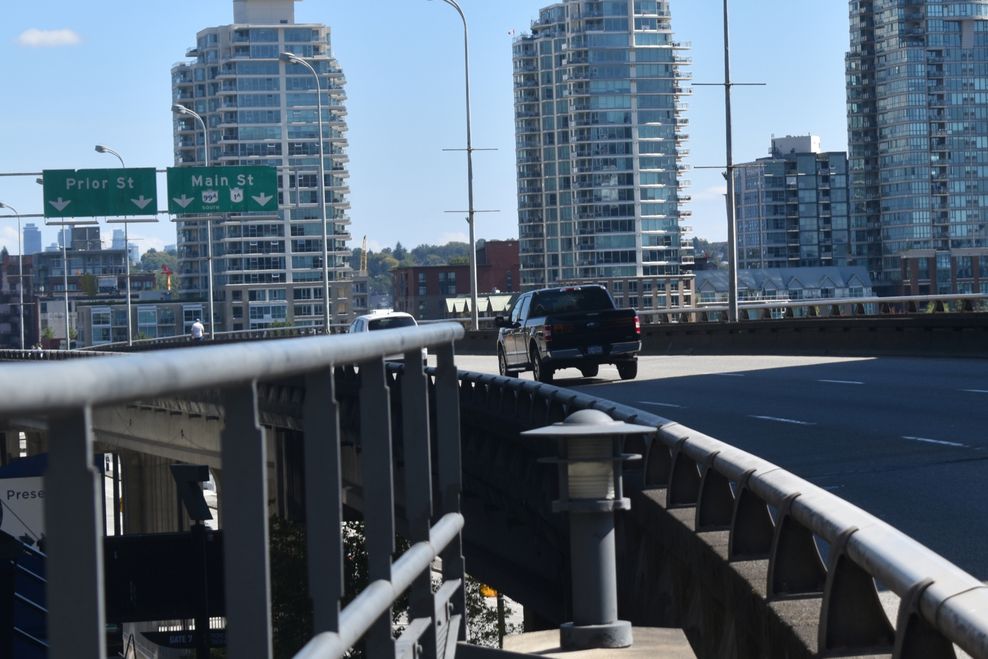
The City of Vancouver will close the Georgia Viaduct from May 30 at 6 a.m. through at least 8 p.m. to remove a tower crane at 150 West Georgia Street, with possible extension into Sunday—creating logistical headaches for downtown real estate showings, tenant move-ins, and property access during the concurrent FIFA World Cup infrastructure preparations.
As over 1.1 million mortgages come due for renewal in 2026, British Columbia borrowers facing payment shock are increasingly turning to Mortgage Investment Corporations (MICs) for short-term financing solutions, raising new questions about risk management and regulatory oversight in the province's real estate market.
The U.S. and Iran have reached a tentative 60-day ceasefire extension pending Trump's approval, but the Strait of Hormuz remains blocked, driving global energy prices upward. For Greater Vancouver buyers and homeowners, this creates inflationary pressure that could force the Bank of Canada to maintain elevated interest rates well into the fall, directly impacting mortgage affordability and carrying costs.

BC mortgage holders facing 2026 renewals may avoid severe payment shocks as rate cuts and extended amortization options soften the impact, though higher-rate resets still require household budget adjustments.
A developer has applied to amend plans for a 67-storey Vancouver tower, adding 206 hotel rooms while increasing condo density—a move that signals shifting mixed-use strategies but raises practical questions for existing pre-sale purchasers about building operations and material changes.
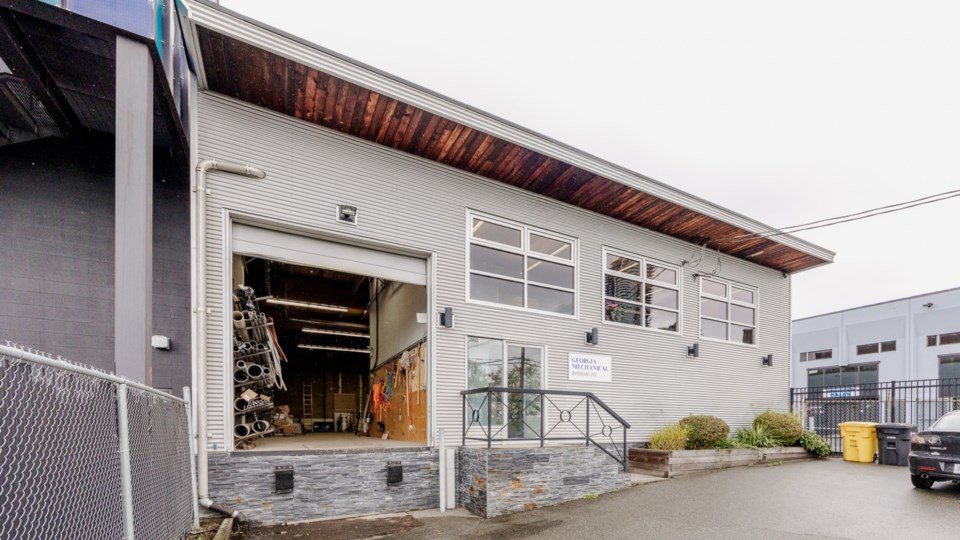
A 4,344-square-foot freestanding industrial building in Burnaby's Brentwood area sold for $3,475,000 to G. Wilson Construction Management Ltd., highlighting continued demand from owner-operators for small-bay industrial assets with flexible M3 zoning even as financing costs remain elevated.
Metro Vancouver homeowners face a split deadline for 2026 property taxes—most cities require payment by July 2, but Vancouver and Burnaby extend to July 3, while Lions Bay waits until July 14. Missing these dates triggers immediate 5% penalties, with second penalties hitting later in the summer for outstanding balances.
B.C.'s Attorney General supports reopening the August 2025 Cowichan Tribes title decision that declared Aboriginal title a 'senior interest' over 300 hectares of Richmond riverfront land, allowing Montrose Properties to argue its 120-hectare holding was unfairly excluded from the original trial.

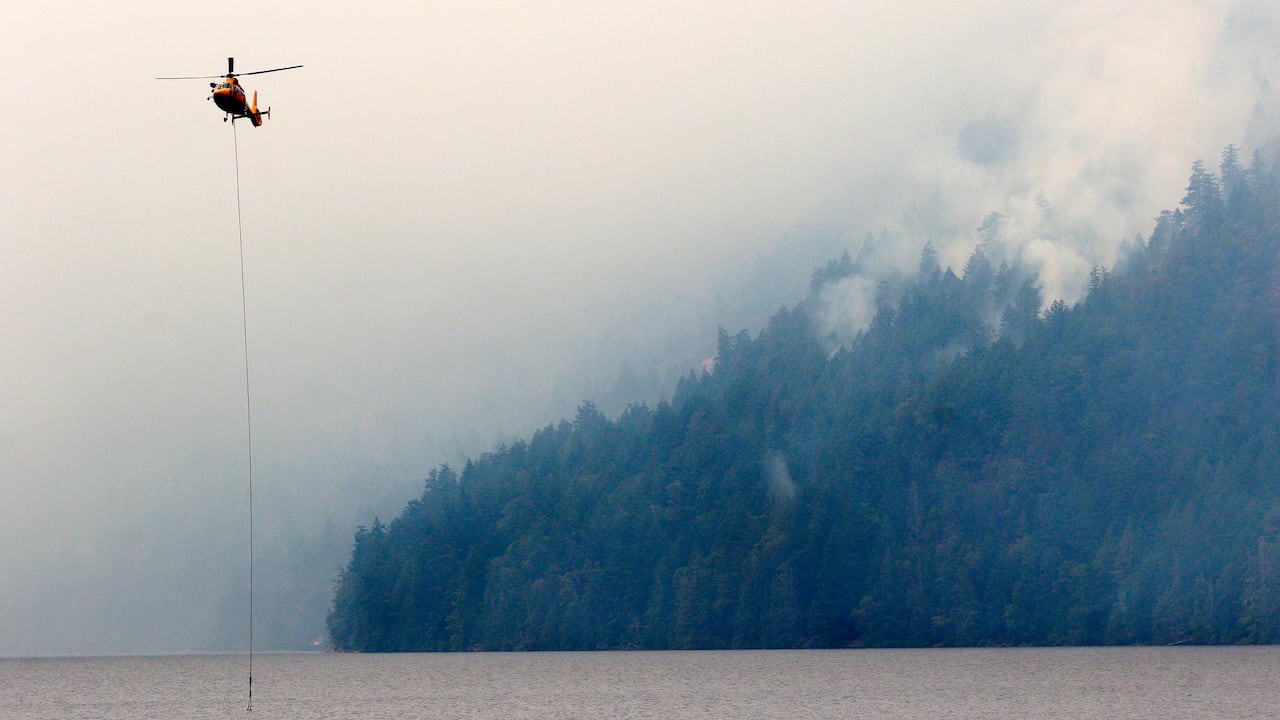
While Canada's 2026 wildfire season has started with only 5% of the average burned area, federal officials warn that B.C. faces the highest wildfire risk nationwide this July, creating potential complications for summer real estate transactions, insurance renewals, and property showings in fire-prone regions.
Metro Vancouver saw zero concrete highrise presale launches in the first quarter of 2026—down from 152 a year prior—as developers struggle to hit the 60-70% presale thresholds required for construction financing. The freeze signals deepening stress in the presale market and raises questions about a potential supply shortage in 2028-2029 when current projects complete.
According to Business in Vancouver, a proposal for dual towers in Vancouver aims to increase building height while reducing planned social housing units. This amendment request signals potential financial stress for the developer and creates uncertainty for existing pre-sale purchasers and nearby property owners.
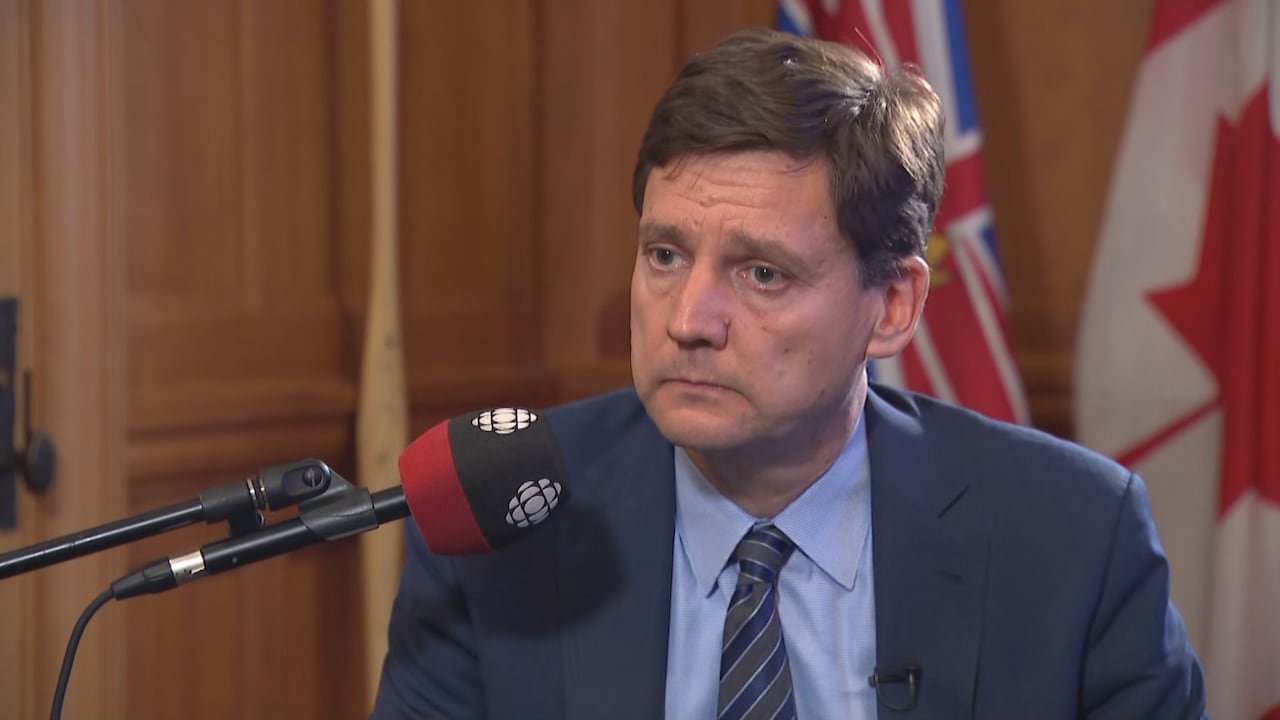
BC Premier David Eby warns that Alberta's planned fall separatism referendum is distracting Ottawa from British Columbia's major resource projects, creating uncertainty for real estate markets dependent on LNG terminals and mining expansions in Northwest BC.