
Senakw Tower 1 Opens: 400 Rental Units Hit Kitsilano at $1,600+/Month, With Squamish Nation Members Moving In First
Share
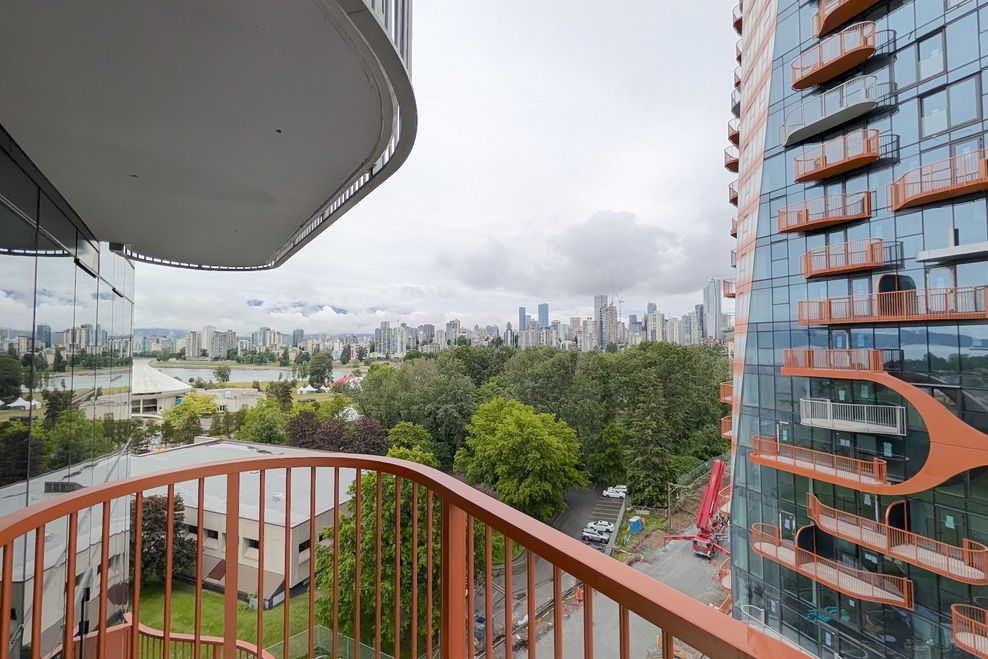
This week marks the completion of Tower 1 at Senakw, the Squamish Nation's landmark development on 10.5 acres of reserve land adjacent to Vanier Park and the Burrard Street Bridge. Standing 27 storeys and 291 feet tall, the building contains 400 rental homes—333 at market rates and 67 below-market units prioritized for First Nation members. Construction began in late summer 2022, with the project benefiting from reserve land status that exempts it from City of Vancouver zoning and municipal approvals, though it adheres to the BC Building Code and Vancouver fire safety standards. Tenants began moving into the fully completed tower on May 26, 2026, representing the first phase of what will eventually become a 6,000-unit community.
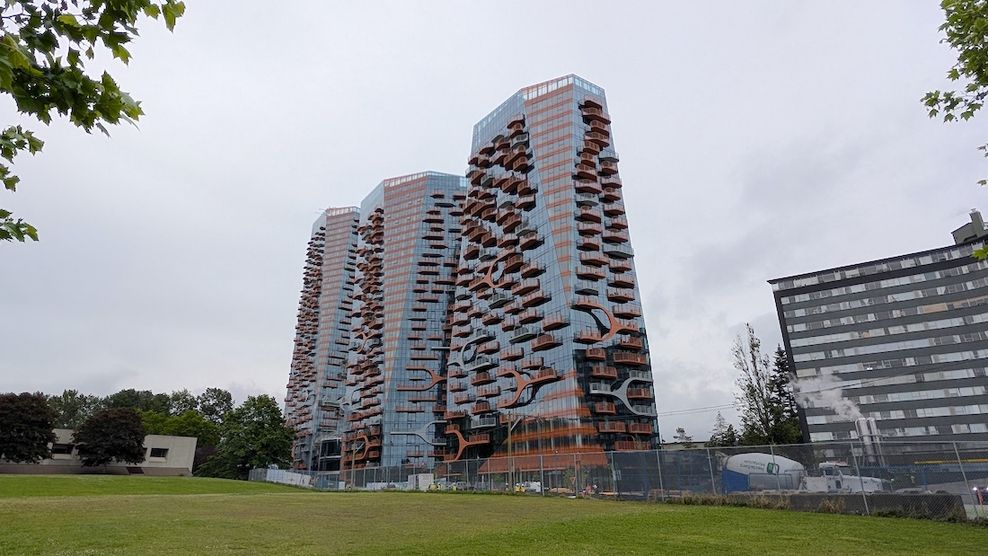
Senakw represents more than new housing supply; it marks the return of Squamish families to lands from which they were displaced by government authorities in the early 20th century. The reserve was formally established in 2003 after decades of legal battles, with the current development approved by Nation members in a 2019 vote. Unlike typical Vancouver developments constrained by municipal processes, Senakw proceeded under a services agreement with the city covering utilities, sewerage, and infrastructure upgrades funded by the First Nation. The project is managed by Toronto-based Fitzrovia for market units and Hiyám Housing for below-market units, with the Squamish Nation adopting BC Residential Tenancy Act protections despite the reserve's jurisdictional autonomy.

Editor's Comment
From a senior Greater Vancouver agent's perspective, Senakw's opening represents a watershed moment that extends beyond housing supply to Indigenous economic sovereignty. For buyers and sellers in Kitsilano, this isn't just another rental building—it's a permanent shift in the neighborhood's housing stock and cultural landscape. The phased leasing approach suggests the Squamish Nation is prioritizing community building over quick occupancy, which bodes well for long-term neighborhood stability. Investors should note the reserve land status means different regulatory frameworks, while renters face a competitive but potentially more affordable option than typical Downtown peninsula units. Watch how Towers 2 and 3 absorb demand before drawing conclusions about market saturation.