
Oakridge Park Opens: What the Luxury Mall Revival Means for Cambie Corridor Real Estate
Share
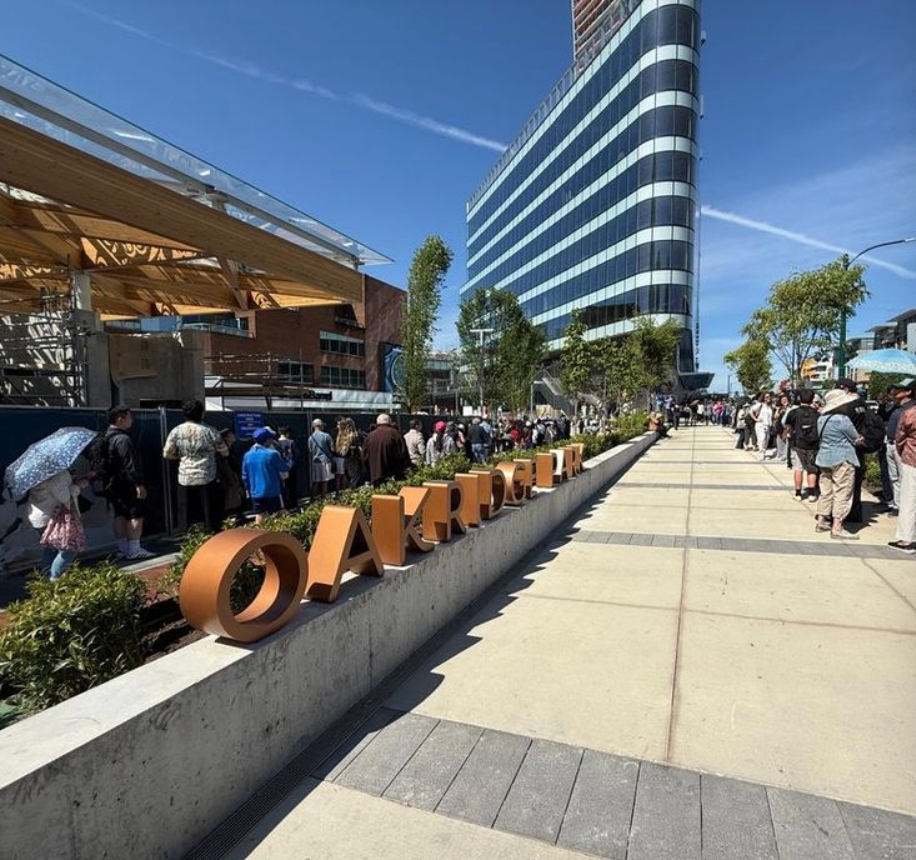
Oakridge Park officially opened its doors on May 28, 2026, ending a nearly six-year retail drought for the Cambie Street and West 41st Avenue corridor. The original Oakridge Centre closed in autumn 2020, leaving the area without a major shopping destination. Daily Hive reporters captured scenes of crowds lining up early to enter the redeveloped complex, which now positions itself as a luxury retail destination rather than a traditional suburban mall. The first phase includes international heavyweights like Louis Vuitton, Prada, Chanel, Rolex, Tiffany & Co., Versace, Valeninto, Moncler, Miu Miu, and Bvlgari, alongside Canadian staples including Aritzia, Lululemon, Arc'teryx, and Sporting Life.
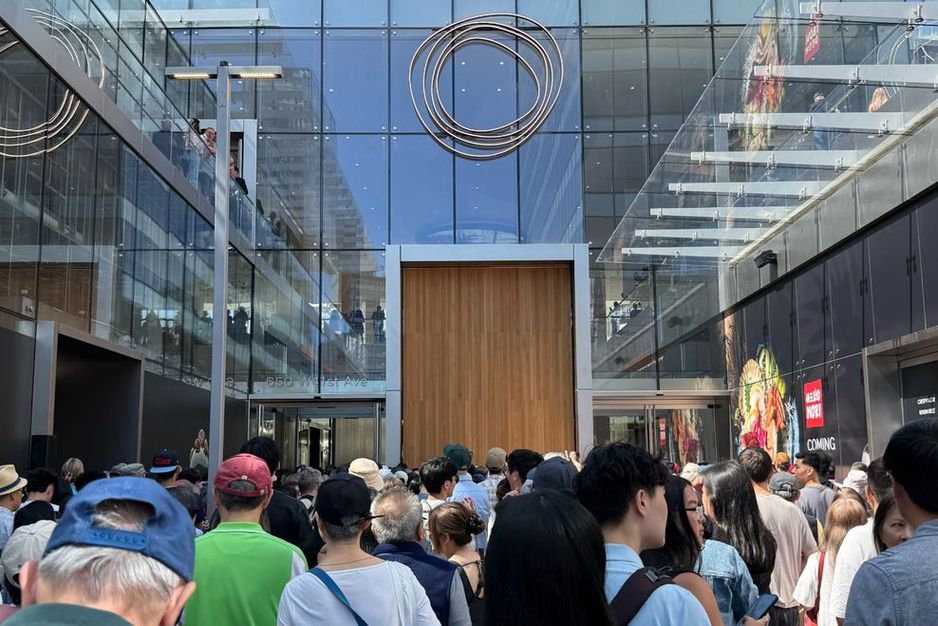
The reopening matters for real estate because it fundamentally changes the commercial identity of a key Vancouver Westside node. The original Oakridge Centre served as a practical community hub; the new Oakridge Park is explicitly designed as a high-end lifestyle destination. This shift aligns with the broader Oakridge redevelopment, which will eventually include residential towers, office space, parks, and cultural facilities. For homeowners and investors, the question is whether this luxury pivot enhances long-term property values or creates a disconnect with the surrounding established neighbourhoods. The opening weekend required temporary overflow parking, suggesting demand is real but infrastructure remains incomplete.

Editor's Comment
From a senior Greater Vancouver agent's perspective, Oakridge Park's opening is less a market-moving event and more a confirmation of what we already knew: the Cambie Corridor has been repositioning as a premium address for over a decade. The Canada Line, previous rezoning, and now this luxury retail anchor complete the transformation from mid-century suburb to urban node. For clients, the practical point is timing your entry. Buyers who purchased pre-construction condos here five years ago are seeing their bet validated. Those entering now are buying into a story that is partially told—expect construction dust and traffic headaches through 2027 at minimum. Sellers should emphasize transit and future amenity completion in their marketing, not just the mall that opened yesterday. The key is matching your holding period to the neighbourhood's remaining development timeline.