
Bulk Condo Sales Emerge as Metro Vancouver Developers Face Standing Inventory
Share
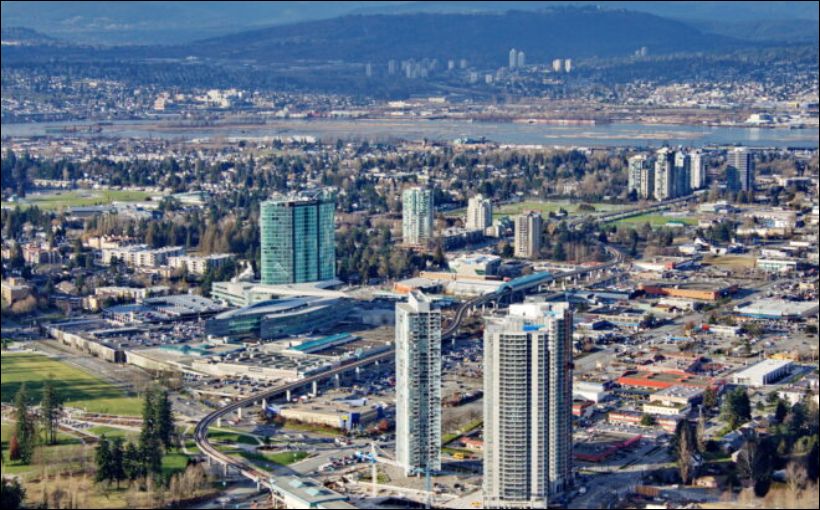
A new bulk-condo sales strategy is moving into the Metro Vancouver market as developers look for ways to clear unsold inventory after a prolonged slowdown in presales. Goodman Commercial, the Vancouver brokerage known for rental apartment buildings and development sites, is now marketing blocks of newly completed condo units to investors who may rent, hold, and later resell them as individual units or smaller packages.
Mark Goodman, principal with Goodman Commercial, told industry media there are roughly 4,000 unsold condos across the Vancouver market. The firm’s first assignment is a 30-unit bulk offering in Surrey City Centre, and Goodman has also pointed to another possible 25-unit opportunity in Coquitlam. The concept is aimed at developers facing slow absorption and buyers willing to accept a longer hold period in exchange for a volume discount.
Question
Why are bulk condo sales appearing now? The immediate issue is standing inventory: projects are complete or close to completion, but normal retail sales are not moving fast enough to clear remaining units at a pace that works for developers’ financing and cash-flow needs.

Editor's Comment
Bulk condo offerings are a clear tell that some completed, investor-leaning projects—especially in nodes like Surrey City Centre—are hitting the wall on absorption and need faster capital recycling. A “starting around 10%” discount sounds meaningful, but the real story is underwriting: a projected ~4% cap rate and GRM ~17.7 only work if financing, strata fees, vacancy, and lease-up risk are tightly managed, and if the buyer can truly hold through a slower resale window. For typical buyers and sellers, the takeaway is segmentation, not blanket distress. If you’re selling a similar product near a project with standing developer inventory, you’re competing against incentives and bulk pricing pressure whether it’s advertised or not. If you’re buying, don’t anchor to the headline discount—compare all-in monthly carrying costs and realistic rents against retail pricing, incentives, and any assignment/completed inventory options. The longer-term “2028/2029 supply wall” thesis may prove right if starts stay muted, but it’s still a timing bet. Bulk buyers are effectively being paid (via price) to absorb today’s oversupply in exchange for patience and execution risk.