
B.C. Faces Highest Wildfire Risk This July: What It Means for Your Property Closing Timeline
Share
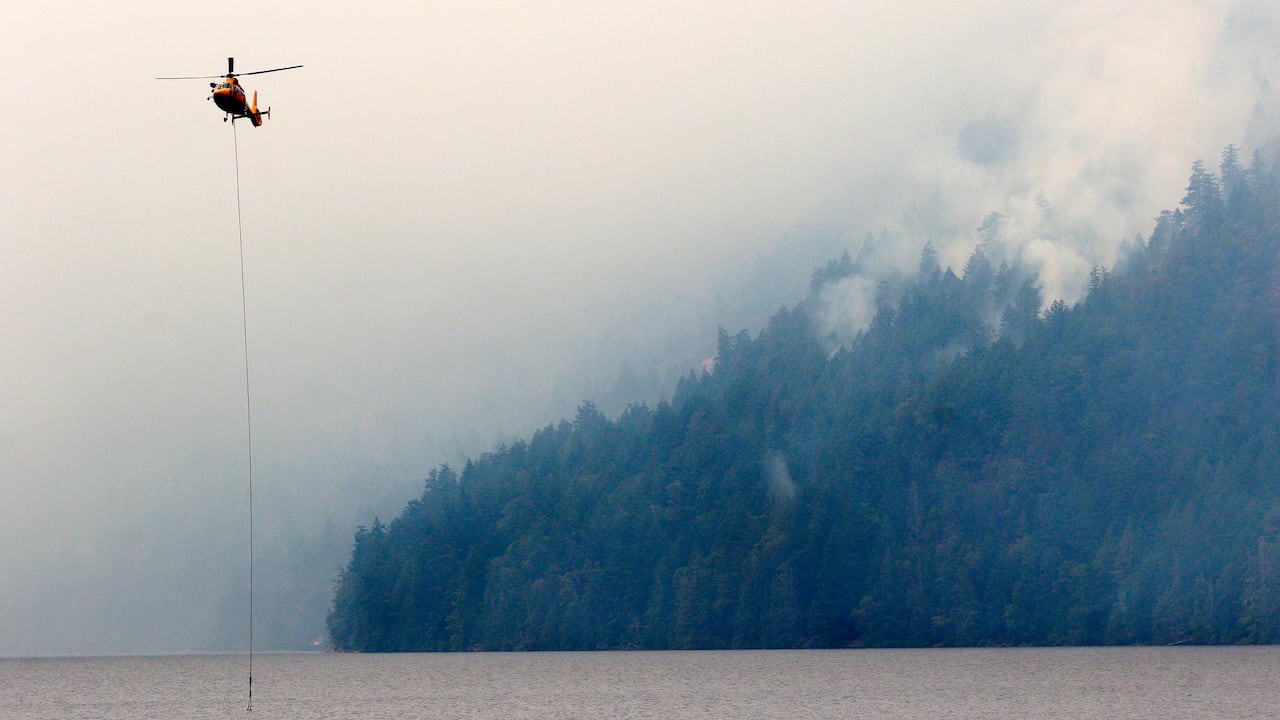
The 2026 wildfire season has begun with uncharacteristically low activity across Canada, with only 18,000 hectares burned to date compared to the 10-year average of 519,000 hectares for this time of year—less than five percent of typical levels. However, federal officials issued a stark warning during a May 28 technical briefing that British Columbia faces the highest wildfire risk of any Canadian province this July, while southern Ontario and Quebec face elevated dangers primarily in June. Currently, Canada maintains a National Preparedness Level of one—the lowest possible rating—with just 65 active fires nationwide and only six classified as out of control. Yet this calm start masks underlying volatility, as meteorological forecasts predict above-average temperatures across the country that could rapidly escalate fire conditions as summer progresses.

The contrast between current benign conditions and potential future risks reflects the lingering impact of record-setting 2023 and 2025 fire seasons, which have skewed national averages upward and strained provincial emergency resources to their limits. Emergency Management Minister Eleanor Olszewski emphasized that enhanced coordination between federal and provincial governments has now become routine, alongside the deployment of 10 new firefighting aircraft announced earlier this week to bolster response capabilities. While climate models indicate a strong El Niño pattern developing in June or July—typically bringing warmer temperatures to western Canada—officials currently assess this weather phenomenon as unlikely to significantly alter the wildfire trajectory. For property owners and prospective buyers in B.C.'s interior, Fraser Valley, and even Metro Vancouver's periphery, this creates a narrow but critical window of certainty before peak summer heat and fire danger converge.

Editor's Comment
From a senior Greater Vancouver agent's perspective, this forecast creates a specific tactical window for interior transactions that won't last long. The current calm means deals can proceed without smoke-related inspection delays or insurance binding hiccups, but that window narrows significantly as July approaches and underwriters become skittish. For Metro Vancouver buyers considering recreational properties or rental investments in the Okanagan, this is the moment to complete due diligence while site access is clear and air quality permits thorough exterior inspections. The key is not panic, but precise timing—get your insurance commitments locked early with wildfire-specific endorsements, and if you're selling in high-risk zones, consider listing immediately rather than waiting for the traditionally slower August market when fire concerns and smoke haze typically peak.