
B.C. Minimum Wage Rise Still Trails Metro Vancouver Living Wage
Share
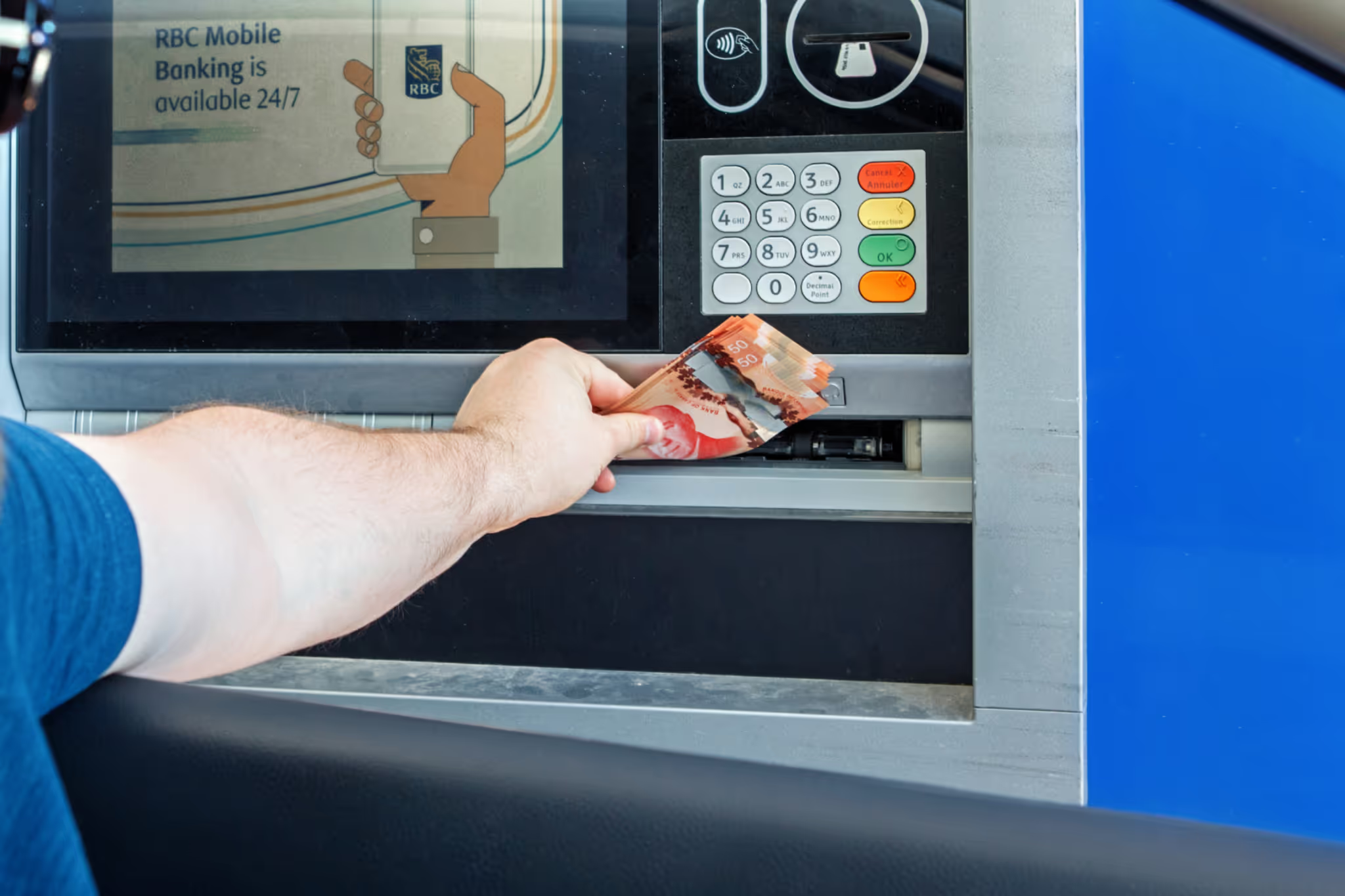
B.C.'s minimum wage is scheduled to rise from $17.85 to $18.25 per hour on June 1, 2026. Daily Hive reported that the increase follows the province's annual inflation-linked adjustment, but it remains far below the estimated living wage in Metro Vancouver.
The article cites a Metro Vancouver living wage of $27.85 per hour. That gap is nearly $10 per hour, before considering household size, childcare, commuting patterns, debt, or rent changes. App-based ride-hailing and delivery workers will have a separate engaged-time minimum of $21.89 per hour.
Question
For renters and first-time buyers, the wage gap is a housing story. Even when nominal wages rise, the amount left after rent, food, transportation, childcare, and debt payments can stay tight, especially for workers in retail, food service, care, and entry-level roles.

Editor's Comment
This inflation-linked bump to $18.25/hr is meaningful at the margin, but the article’s $27.85/hr Metro Vancouver living-wage estimate highlights why many renters and first-time buyers won’t feel “housing relief.” In practice, higher nominal wages can be quickly absorbed by rent, transit, childcare, and debt servicing—so affordability conversations need to stay grounded in monthly cash flow, not headlines. For buyers close to qualifying limits, the most realistic paths are the unglamorous ones: longer savings timelines, co-borrower strategies, smaller unit types, or trading location for transit access to reduce transportation costs. On the neighbourhood side, the two-sided squeeze matters—if small businesses face tighter margins, that can show up as higher prices, more vacancies, or reduced services, which ultimately affects the livability premium buyers pay for.