
All Eight Surrey Langley SkyTrain Stations Are Now Under Construction
Share
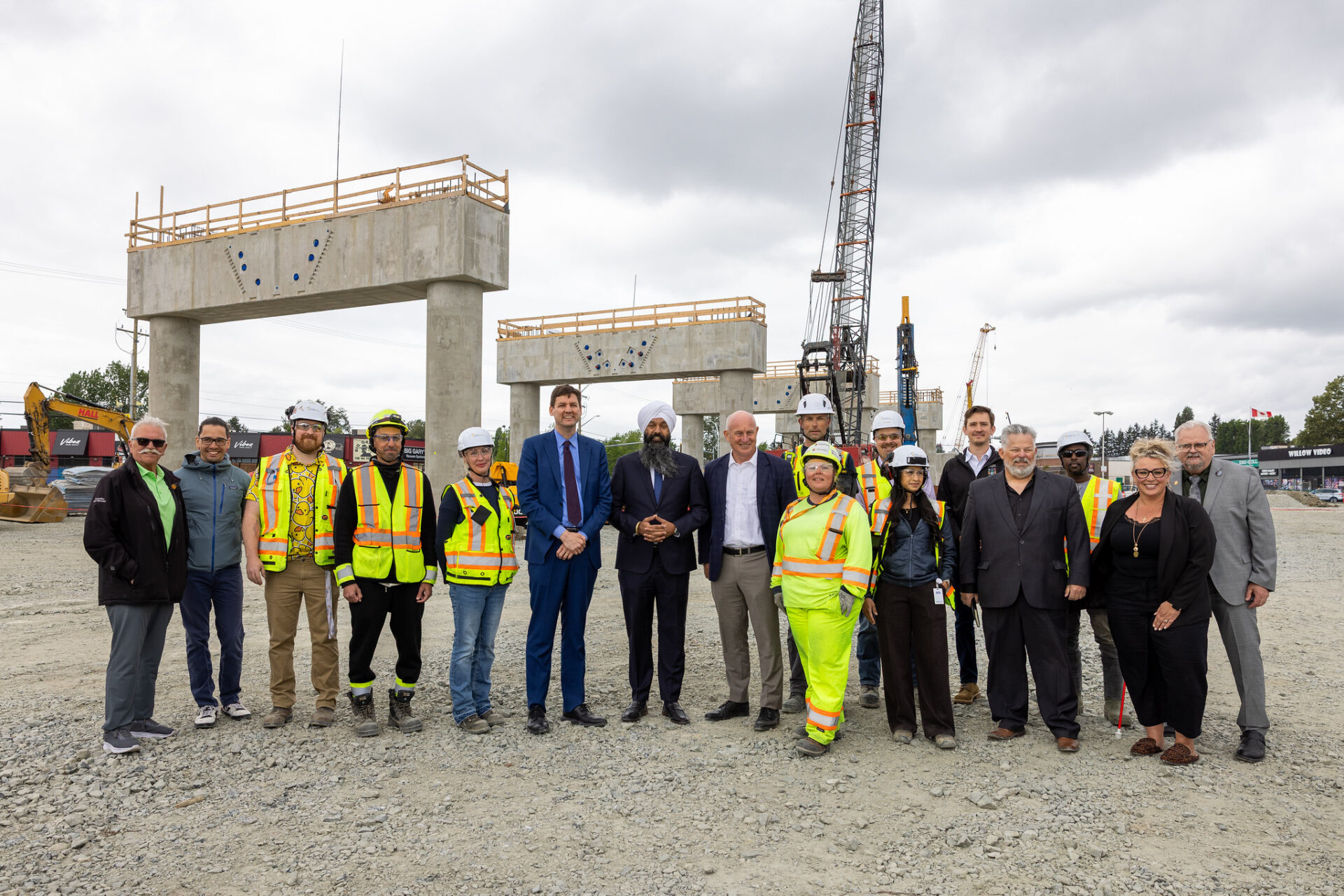
ReNew Canada reported on May 11 that station construction is now underway at all eight stations on the Surrey Langley SkyTrain extension. The project will extend the Expo Line from King George Station to Langley City Centre and connect growing communities south of the Fraser with the wider Metro Vancouver rapid transit network.
The 16-kilometre elevated extension is a roughly $6-billion project backed by provincial and federal funding. ReNew Canada and the federal release both report that guideway foundation construction is almost 90 percent complete, 75 percent of guideway columns are built, more than 30 percent of guideway segments have been installed, and trackwork began in late April.
Question
For Surrey, Fleetwood, Cloverdale, Willowbrook, and Langley, the market question is not only future commute time. Transit construction changes land-use expectations, rental demand, retail planning, and how buyers compare car-dependent locations against station-area homes.

Editor's Comment
With all eight stations now under construction and guideway work well advanced, the Surrey–Langley extension is moving from “concept premium” to a more tangible, timeline-driven story—but buyers still have to live with the corridor until late 2029. In practice, we’re already seeing station proximity influence how people compare Fleetwood/Cloverdale/Willowbrook homes against more car-dependent options, especially for renters and first-time buyers planning a longer hold. The key is to price and position realistically: near-station homes can justify a stronger long-term narrative, but today’s value is still constrained by construction disruption, current bus connectivity, traffic patterns, and the amount of strata supply coming to market. Not every address in Surrey or Langley benefits equally, so the smart play is a due-diligence checklist—true walking route to the station (not just radius), noise/guideway exposure, parking needs, and whether municipal land-use plans and nearby development applications actually support the “transit-oriented” promise.