
99% Strike Vote at Coast Mountain Bus Company: What Metro Vancouver Transit Chaos Means for Your Home Value
Share

On May 27, 2026, Unifor Locals 111 and 2200 announced that their members at Coast Mountain Bus Company (CMBC) voted 99% in favor of strike action. The vote covers more than 5,000 transit workers across Metro Vancouver, including bus operators, maintenance workers, SeaBus crews, Community Transit operators, and Spareboard members. While no strike date has been set, the Joint Bargaining Committee is scheduled to return to the negotiating table on Monday, June 1. The previous collective agreement expired on March 31, 2026, after bargaining opened in February with key priorities centered on cost-of-living adjustments, health and safety protections, and retirement dignity.
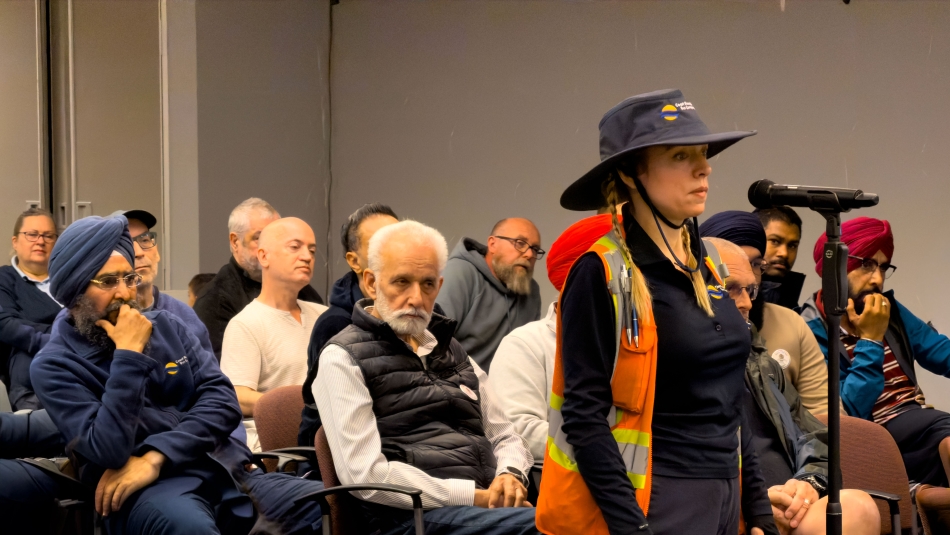
In Greater Vancouver, transit proximity typically commands a premium in residential values, but that calculation assumes reliable service. A work stoppage at CMBC would halt bus routes and SeaBus service across the region, potentially isolating neighbourhoods that lack SkyTrain access or alternative transportation options. The 99% mandate sends a strong signal that workers are prepared to walk, creating immediate uncertainty for daily bus riders. For real estate, this raises questions about near-term livability in transit-dependent pockets of Surrey, Burnaby, North Vancouver, and Vancouver's east side, where many residents rely exclusively on CMBC routes for commuting to downtown employment centers.

Editor's Comment
From a senior Greater Vancouver agent's perspective, transit labor disputes remind us that "location premium" has two components: permanent infrastructure and operational reliability. Buyers shopping in spring 2026 need to ask not just "how close is the bus stop?" but "what happens if the buses stop?" The SkyTrain network provides crucial redundancy that bus-only corridors lack. For sellers, this is not a price crash scenario, but a timing and marketing nuance—emphasize walkability to SkyTrain or multiple transport options. The real risk isn't property values collapsing; it's buyer hesitation during uncertainty. Watch the June 1 negotiations closely; if talks collapse, expect temporary softness in transit-dependent rental markets and buyer preference shifts toward SkyTrain-served inventory until service resumes.