
Poilievre Demands Parliamentary Probe of $1.45B 'Condo Bailout': What Vancouver's 4,400 Unsold Units Mean for Buyers
Share
News article poster
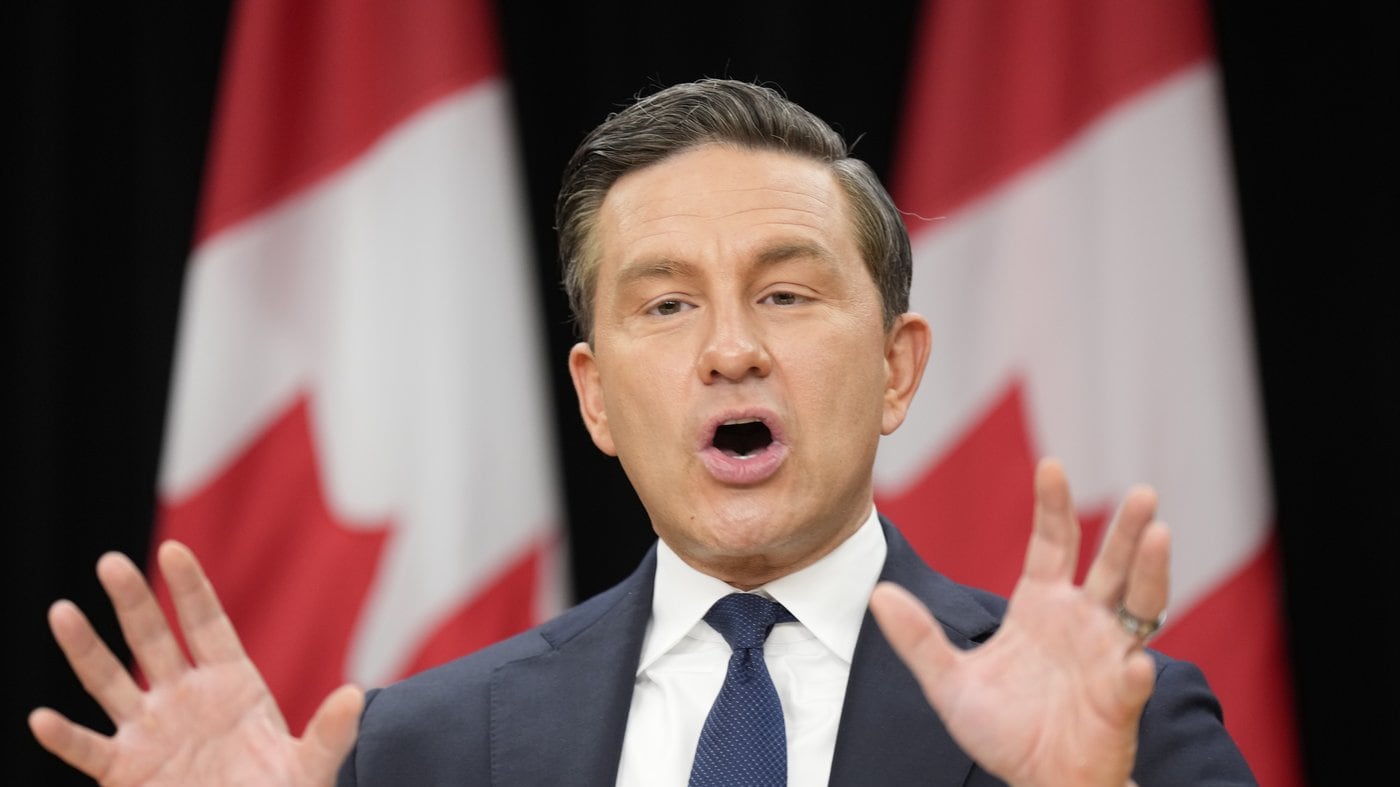
Conservative Leader Pierre Poilievre has formally requested that Parliament's ethics committee investigate a federal proposal to convert approximately 2,200 vacant condominium units in British Columbia into affordable housing. In a letter dated Friday and posted publicly on Sunday, Poilievre characterized the plan—which involves roughly $1.45 billion in total spending with Ottawa contributing 10 percent—as a "condo bailout" designed to protect developers, bankers, and investors from financial losses. The request comes after Prime Minister Mark Carney announced the initiative on June 18, 2026, describing it as a rent-to-own framework to help homebuyers struggling with down payments, though Carney later admitted the government had not explained the program clearly.


The political dispute centers on whether government intervention is preventing a natural market correction in Vancouver's oversupplied condo sector. According to Canada Mortgage and Housing Corporation data from May 2026, British Columbia holds 5,849 unabsorbed apartment units, with Metro Vancouver accounting for 4,376 of those—roughly 75 percent of the provincial total. Poilievre argues that without intervention, developers would be forced to lower prices to clear inventory, making housing more affordable for buyers. However, B.C. Premier David Eby contends the program targets bulk purchases and bankruptcy proceedings where individual buyers cannot compete, and insists the plan can be structured to avoid benefiting developers while cutting taxes for developers would constitute a true bailout.

Ajaydeep Singh Sahota Commentary
From a senior Greater Vancouver agent's perspective, this political theater creates a classic "wait and see" environment that rarely benefits decisive buyers. The 4,376 unabsorbed units are real, but so is the reality that developers with deep pockets rarely fire-sale inventory unless forced by bankruptcy courts—which Eby's team is watching closely. For clients, the practical move is ignoring Ottawa's rhetoric and verifying specific project completion rates and developer liquidity. Whether this $1.45 billion materializes or evaporates in committee, individual buyer leverage depends on local building-specific distress, not federal press releases. Watch the September inventory reports more than summer political letters.