
CUSMA Renewal Push: What the July 1 Trade Deadline Means for Vancouver Real Estate
Share
News article poster

Trade Minister Dominic LeBlanc has formally urged the United States and Mexico to renew the Canada-U.S.-Mexico Free Trade Agreement (CUSMA) for another 16 years, releasing a letter to his counterparts on June 2 as negotiations intensify ahead of the July 1 mandatory review deadline. Prime Minister Mark Carney confirmed that Washington is now engaging in "bifurcated" talks with Canada and Mexico separately, with the U.S. raising approximately 30 technical trade issues with Canada and nearly 60 with Mexico. The current agreement governs virtually all continental trade, and the upcoming review presents three paths: a 16-year renewal, full withdrawal, or a middle option that triggers annual reviews potentially lasting a decade.
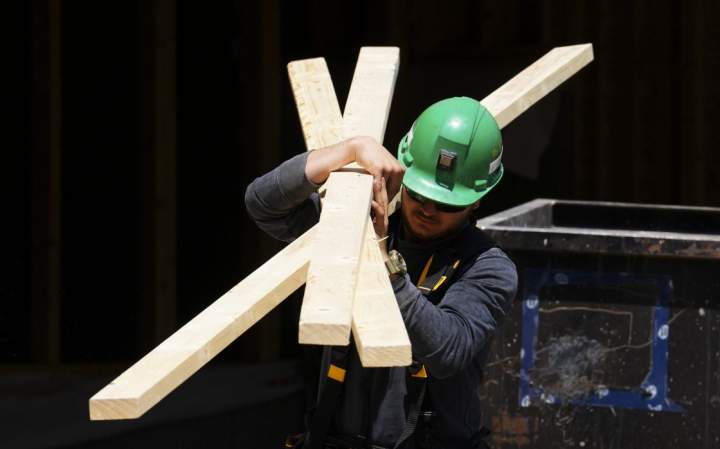
For Greater Vancouver's real estate market, the stakes extend beyond headline politics. British Columbia's economy remains deeply integrated with cross-border trade, particularly in softwood lumber, technology, and port logistics that feed the Lower Mainland's employment base. The separation of U.S. negotiations suggests Canada faces distinct challenges from Mexico's, with Washington treating each trading partner differently. LeBlanc is scheduled to meet U.S. Trade Representative Jamieson Greer in Washington, while Conservative Leader Pierre Poilievre has criticized the government for delays in engaging. The July 1 deadline creates a hard timeline for resolution that coincides with the summer real estate season.
Aaron Pan Commentary
From a senior Greater Vancouver agent's perspective, trade negotiations rarely move real estate prices directly, but they move buyer psychology quickly. The July 1 deadline creates a natural conversation point with clients in trade-exposed sectors—particularly those in lumber, tech, and logistics. The bifurcated talks suggest Canada isn't getting bundled with Mexico, which could be advantageous for BC's specific interests. Rather than advising clients to bet on the outcome, the practical approach is to stress-test financing against potential employment volatility and to remember that Vancouver's housing shortage exists regardless of tariff disputes. The treaty matters, but local supply constraints matter more.