
CUSMA Deadline Looms: What a Trade Deal Standoff Means for Vancouver Real Estate
Share
News article poster
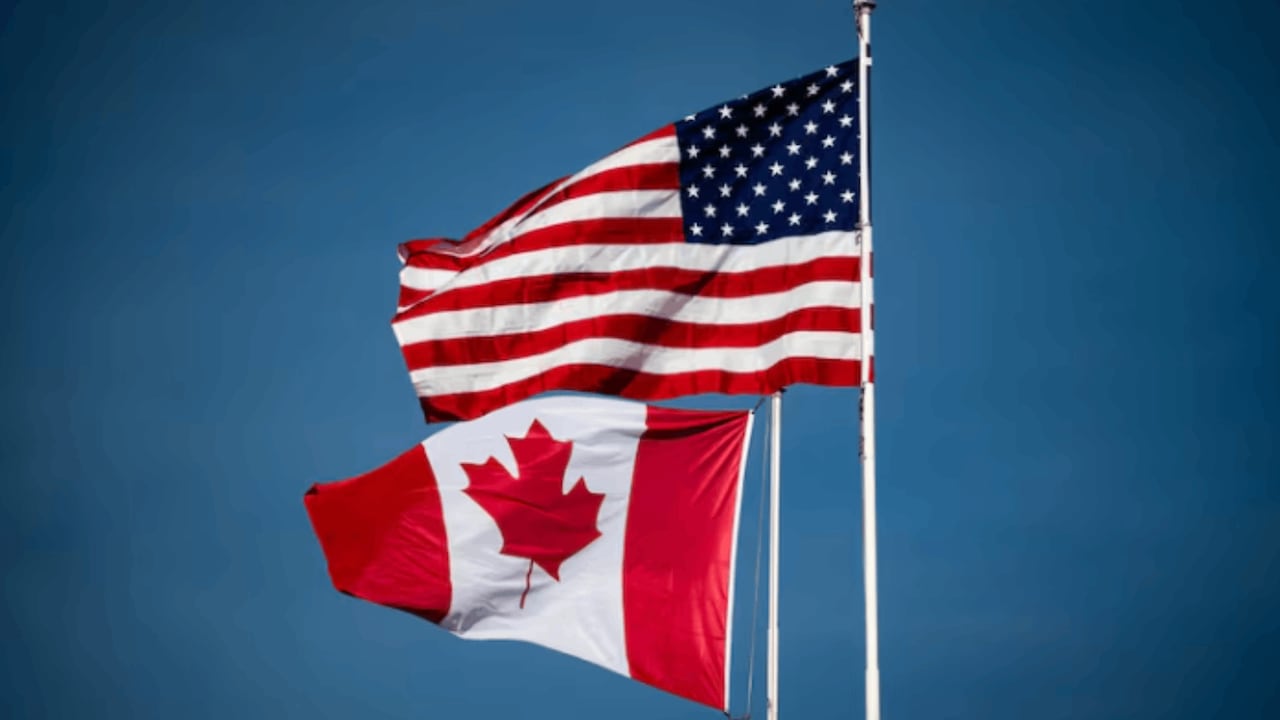
The Canada-U.S.-Mexico Agreement (CUSMA) faces its first-ever joint review on July 1, with negotiations between Ottawa and Washington showing only faint signs of life after months of stalemate. Minister Dominic LeBlanc, responsible for Canada-U.S. trade, is planning a trip to Washington for talks, though no date has been confirmed. Over the past seven months, LeBlanc has held just one day of in-person negotiations with U.S. Trade Representative Jamieson Greer. Meanwhile, the U.S. and Mexico are holding bilateral talks this week with two more rounds scheduled for June and July, putting Canada in a noticeably slower position.
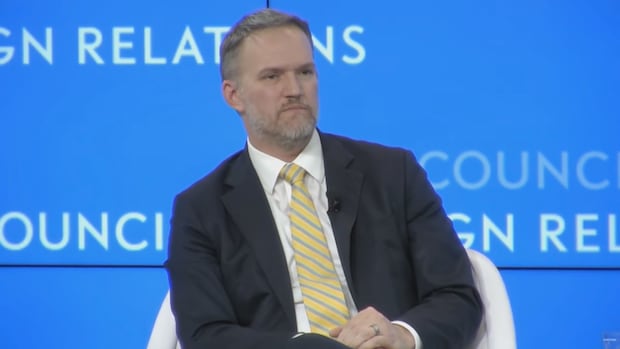
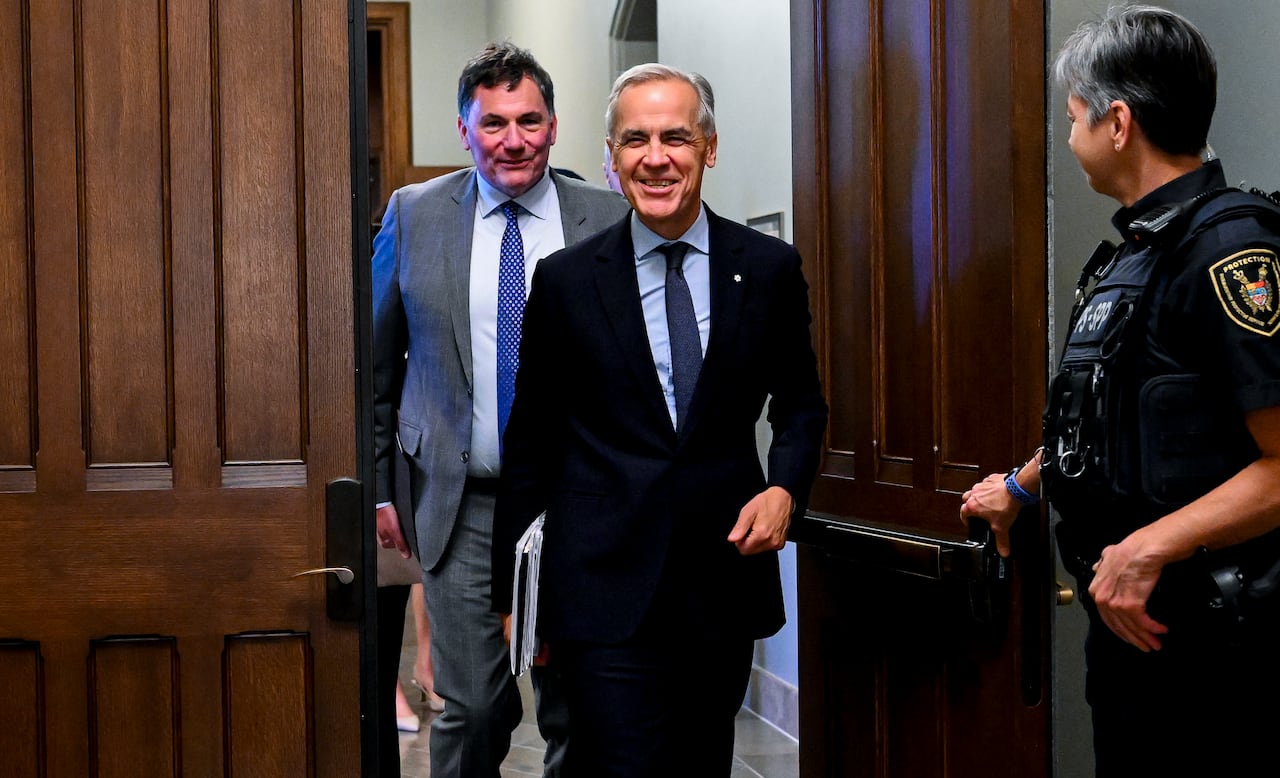
The stakes are substantial for British Columbia's economy. CUSMA currently covers roughly $1.3 trillion in annual Canada-U.S. trade and shields most Canadian exports from Trump's tariffs. Greer has publicly criticized Canada's retaliatory tariffs, placing Canada alongside China as one of only two countries to retaliate against U.S. measures. The Trump administration has also demanded what sources describe as an "entry fee"—including ending provincial boycotts of U.S. alcohol and scrapping the federal Online Streaming Act—before substantive negotiations begin. Any country can withdraw from CUSMA with six months' notice, which would eliminate tariff exemptions for Canadian exports.

Yuan Xia Commentary
From a senior Greater Vancouver agent's perspective, CUSMA headlines create more anxiety than immediate market impact—but that anxiety itself moves behavior. Buyers with secure local employment often freeze when macro uncertainty dominates the news cycle, creating brief windows of reduced competition for prepared purchasers. Sellers in discretionary segments should recognize that summer 2026 buyers may be more cautious than spring ones. The practical point: don't make real estate decisions based on trade policy predictions you can't control. Instead, verify your financing, understand your holding power, and remember that Vancouver's geographic constraints outlast any single administration's tariff agenda. Watch the July 1 milestone not for a deal, but for whether negotiations collapse or extend—either outcome gives us useful signal for fall market positioning.