
CUSMA Countdown: Why Vancouver Real Estate Buyers Are Watching the July 1 Trade Deadline
Share
News article poster

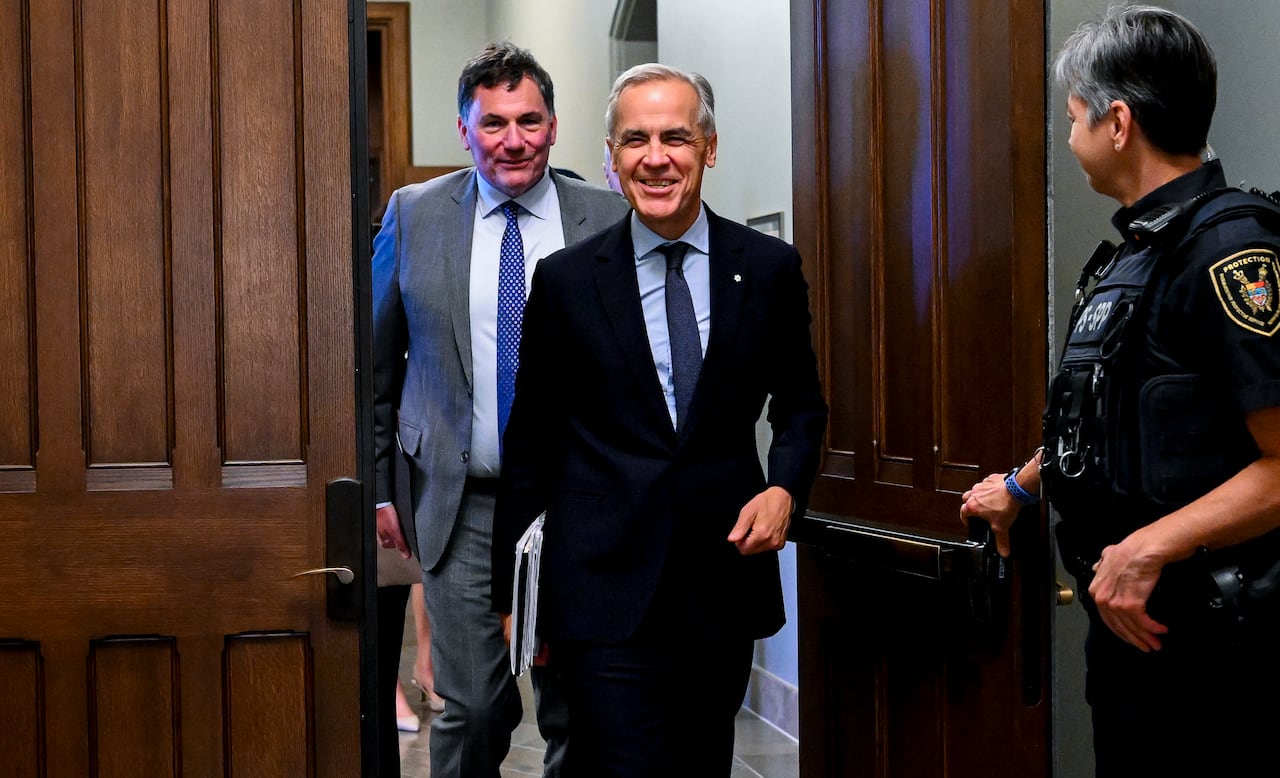
The Canada-U.S.-Mexico Agreement (CUSMA) approaches its first-ever joint review on July 1, 2026, with Canada and the United States still not engaged in formal negotiations despite the milestone looming in just over one month. According to CBC News reporting, Minister of Canada-U.S. Trade Dominic LeBlanc has held only one day of in-person talks with U.S. Trade Representative Jamieson Greer over the past seven months. The U.S. is currently demanding an "entry fee" of concessions—including an end to provincial boycotts of American alcohol and scrapping the federal Online Streaming Act—before agreeing to substantive negotiations, while the Trump administration insists tariffs will remain regardless of the trade deal's fate.

CUSMA currently shields approximately $1.3 trillion in annual Canada-U.S. trade in goods and services from broader tariff regimes, including critical exemptions for Canadian steel, aluminum, and lumber exports. Any party can withdraw from the agreement with six months' notice, a move that would eliminate these protections and expose Canadian exports to punitive duties. For Greater Vancouver specifically, this matters because the region functions as Canada's primary Pacific trade gateway, with the Port of Vancouver handling billions in cross-border commerce and local construction markets heavily dependent on steel and aluminum pricing. The uncertainty arrives as the Bank of Canada monitors business investment confidence and as developers already face elevated carrying costs.
xs z Commentary
From a senior Greater Vancouver agent's perspective, trade headlines generate more anxiety than actual market impact, but this CUSMA deadline warrants attention from specific client profiles. If you're employed in port logistics, manufacturing, or any sector tied to the $1.3 trillion bilateral trade flow, verify your income stability before committing to leveraged purchases. For most buyers, the supply shortage in Vancouver housing matters more than tariff rhetoric, though pre-sale purchasers should ask developers specifically about material cost contingencies. The key is not overreacting to July 1 headlines, but understanding that prolonged trade friction could tighten construction credit and delay inventory delivery—factors that actually move prices more than diplomatic statements.